What Makes a Group Therapy Session Effective or Ineffective in Troy, NY
October 11, 2026
.png)

October 11, 2026

Most people entering outpatient addiction treatment have never actually been in a clinical group therapy session before. They come in with whatever mental image they've pieced together from cultural references, secondhand accounts, or plain assumptions, and that image is usually inaccurate.
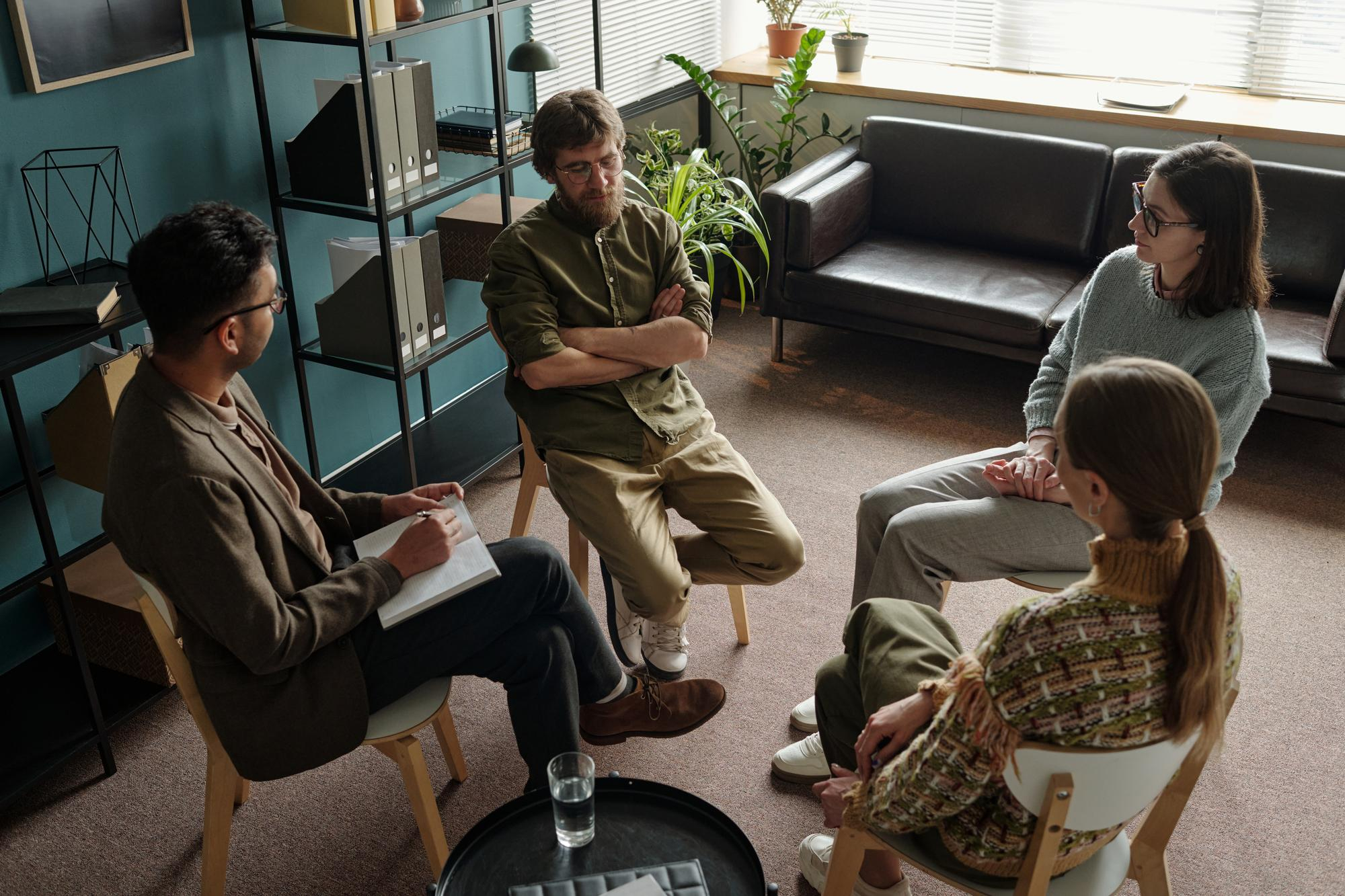
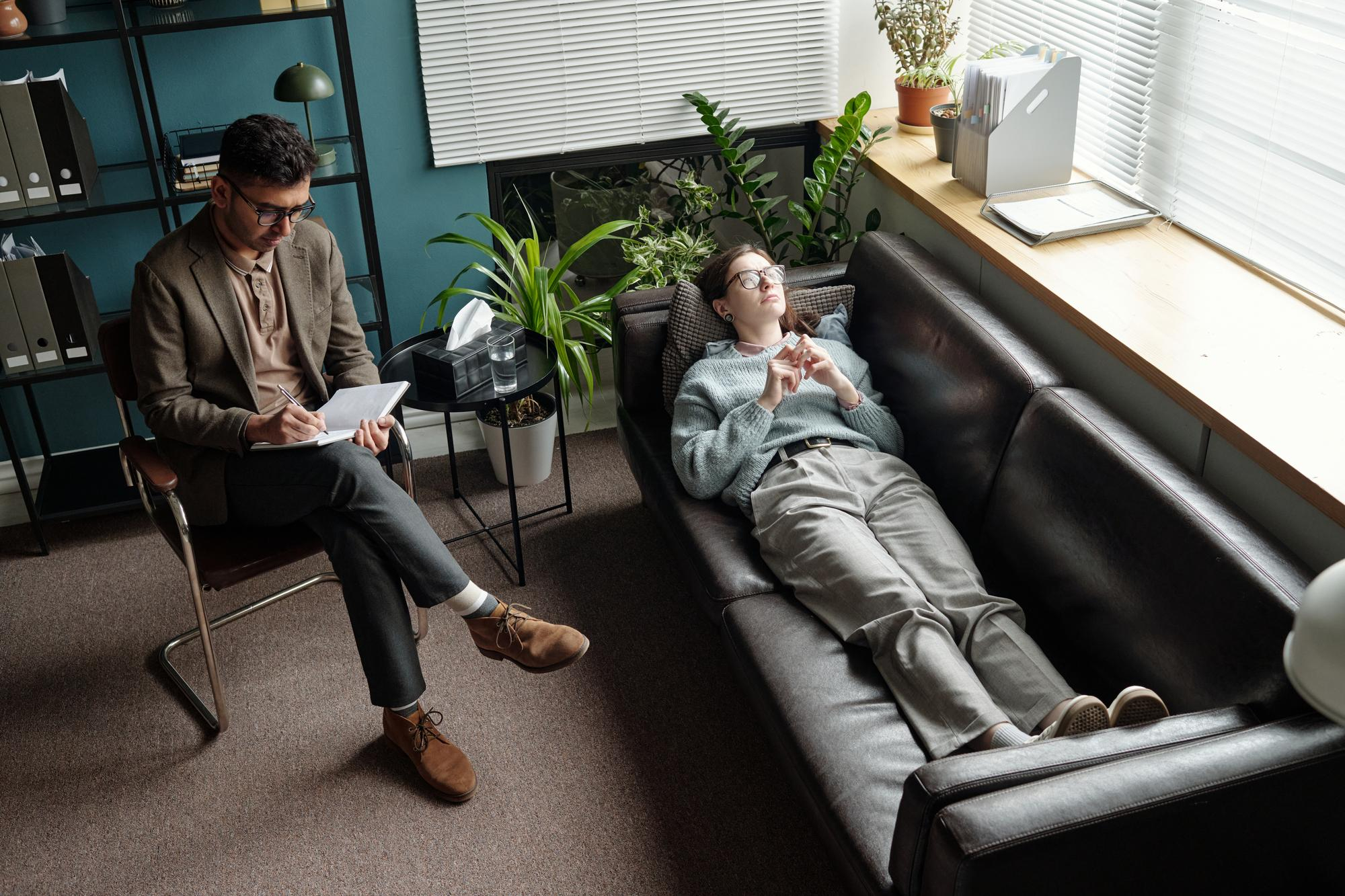
Group therapy in an outpatient substance use treatment program is a structured clinical intervention, not just people sitting around talking. Like any clinical intervention, how well it works depends a lot on how it's designed and delivered.
A poorly structured or poorly run group session can feel like ninety minutes of just going through the motions. A well-run session, though, can produce something that actually lasts.
Knowing the difference matters if you're about to start treatment or if you're trying to figure out why a previous attempt at group therapy didn't go the way you'd hoped.
At a dedicated outpatient rehab like ours in Troy, we think about group design and clinical leadership as carefully as any other part of the treatment program. Group therapy is, honestly, where a significant portion of the clinical work actually happens.
The clinician running the group is, honestly, the most consequential variable in a group therapy session. Clinical skill, attentiveness to group dynamics, and the ability to manage a room full of people in different emotional states at once aren't interchangeable qualities.
A session led by someone who's distracted, under-prepared, or just running a rigid script regardless of what's actually happening in the room tends to produce a particular kind of flatness. People say the expected things. Nobody takes a real risk. The session ends, and not much has actually shifted.
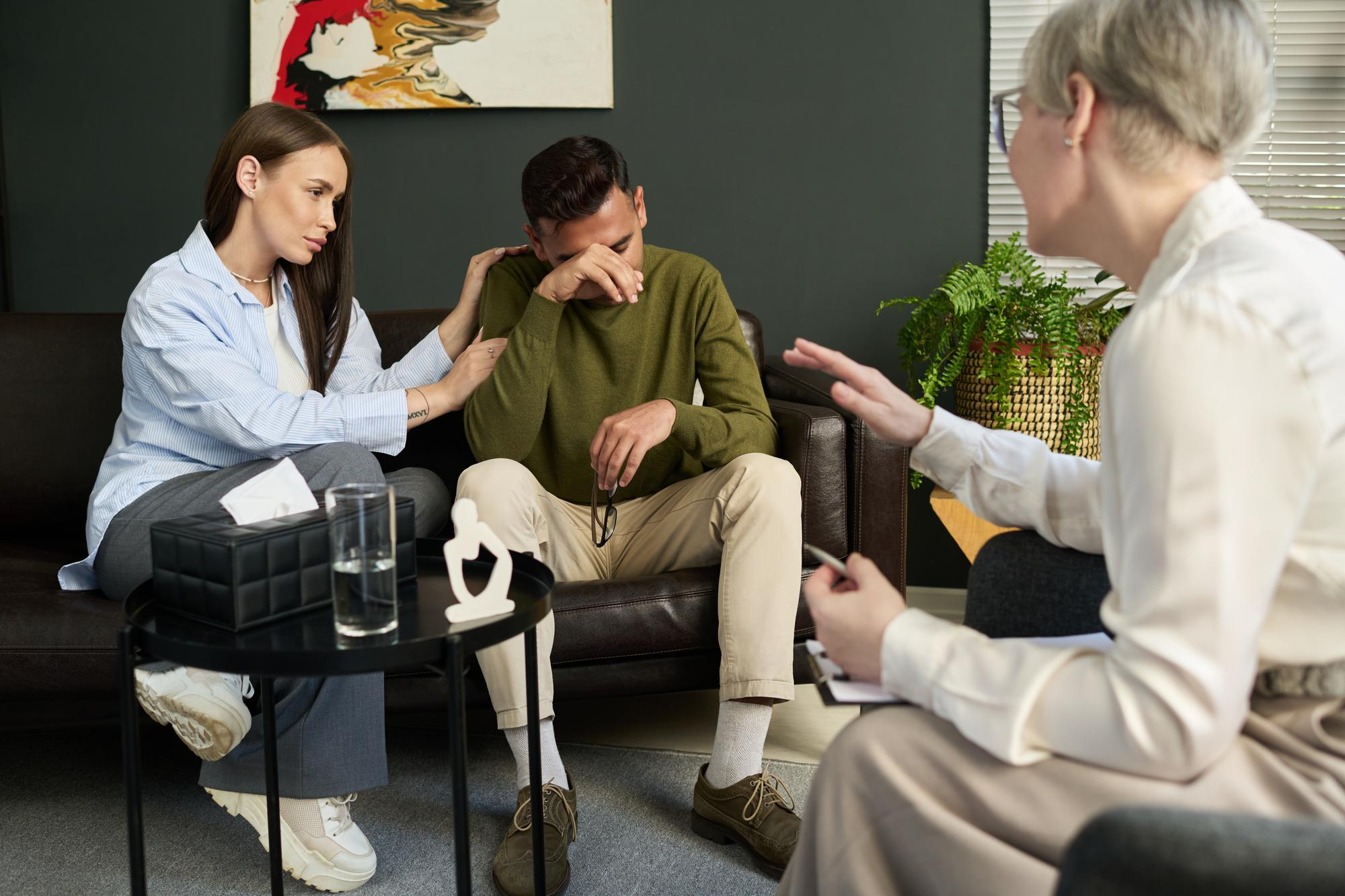
An effective group leader reads the room, like a good teacher. They notice who's holding back and create space for that person without forcing disclosure. They notice when a group is building toward something genuine and let it develop rather than redirecting too quickly. They recognize when a topic lands differently for different participants and address it skillfully rather than routing around it.
None of this is improvisation. It's trained clinical judgment, and it's what separates a group session that functions from one that just meets.
At our Troy clinic, group sessions are led by licensed clinicians with training in group dynamics and in the specific clinical complexities that come up in a dual diagnosis outpatient treatment program, where addiction and co-occurring mental health conditions are often tangled together.
Who's actually in the room matters, maybe more than people expect. Group composition affects the range of perspectives available, the dynamics that develop between participants, and the degree to which any given person feels represented or understood in the group.
A group where one person is at a completely different stage of recovery than everyone else, or where someone's situation is just so unlike the others that genuine connection is hard to establish, is tougher to make work no matter how skilled the clinician running it is.
At our Troy clinic, group composition isn't accidental. Our clinical team places clients in groups based on assessment findings, the stage and severity of their substance use, whether co-occurring mental health conditions are centrally involved, and whether a gender-specific or mixed-gender setting is the better clinical fit for a particular person.
DWI-specific groups serve clients dealing with legal consequences alongside their substance use. How dual-focused groups support recovery comes down to treating a substance use disorder and a mental health condition at the same time, instead of as separate problems.
Early recovery groups support clients who are just building initial stability. A group reasonably matched in terms of what participants are actually working through tends to produce more honest and sustained engagement than one assembled without clinical intention.
Not sure if the group you’re in is actually the right fit, or if something about your sessions just feels off? Give us a call at (518) 793-7273, and we can talk through what might need to shift.

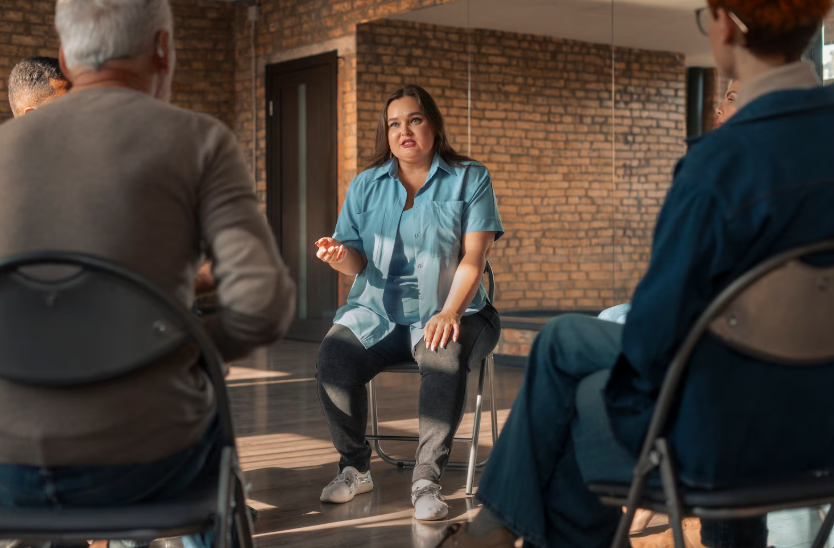
Group therapy isn't something that's done to you, you know. It requires something from you, and the most productive sessions are those where participants are genuinely present rather than just waiting for time to pass.
Presence doesn't mean performing wellness or saying what sounds right. It means being willing to be honest, even when it feels uncomfortable. It means listening to what other people share without mentally checking out. It means noticing when something someone else says connects to your experience and being willing to say so.
People who are new to group, especially in early recovery treatment groups, often spend their first several sessions just figuring out what's expected of them. That's completely normal, and the clinical team accounts for it.
The orientation phase is real, and it just takes time to move through. But the sessions that produce genuine change are the ones where participants eventually move past figuring out the room and start doing the actual work. That shift doesn't happen on the same timeline for everyone, and a good group leader creates the conditions for it rather than rushing it.
Ineffective group sessions tend to share a few recognizable features, honestly. Surface-level sharing is one: people describe their situation at a factual level without really engaging with anything emotionally or behaviorally significant.
Another is a dynamic where the same one or two people do most of the talking while the rest of the group fades into the background. And then there's a session dominated by complaint or storytelling that never quite moves toward insight or change.
These patterns aren't always the result of poor clinical leadership, to be fair. Sometimes a group just hits a rough patch, and the clinician's job is to name it honestly and find a way back to something productive.
But when these patterns become the norm rather than the exception, something in the structure needs to be examined. The group may be too large, the composition may be mismatched, the clinical approach may not suit this particular group, or the format may be too rigid to respond to what the group actually needs on a given day.
An ineffective session doesn't mean group therapy isn't working. It just means something needs to be adjusted, and that adjustment is a clinical conversation worth having rather than something to accept as the default.
Effectiveness in group therapy isn't always visible in a single session. It builds over time as participants develop trust in each other and in the clinician leading the group, as the group develops its own working culture, and as consistent engagement starts to show up in how participants relate to their substance use and the other challenges they're managing.
A client who's been in the same group for eight or ten weeks is having a fundamentally different experience than a client in week one. The depth of honesty available in week ten isn't available in week one, and the insights that emerge from that honest sharing can't be manufactured on a shorter timeline.
This is part of why treatment completion matters beyond the clinical requirements. The benefits of group therapy compound with continued participation, and someone who drops out early misses the portion of the process where the most meaningful work often happens.
At our Troy outpatient clinic, groups are designed to build that cumulative depth. Our clinical team structures sessions to support consistency, actively attends to group culture, and adjusts composition and format when something isn't working. The goal, at the end of the day, is for every client to be in a group where they can actually progress.
Have questions about group therapy, or just want to talk through what treatment could look like for you? Contact us, and we'll help you figure out the right next step. You can also reach us at (518) 793-7273 or stop by our office at 2431 6th Ave, Troy, NY 12180. We're open Monday through Friday, 8:00 AM to 6:00 PM, and Saturday, 8:30 AM to 11:00 AM.
Related Topics:






.png)

.png)
.png)









.jpg)


































.jpg)