How Medication-Assisted Treatment (MAT) Fits Into Outpatient Care in Troy, NY
September 22, 2026
.png)

September 22, 2026
Medication-assisted treatment works because it handles a part of addiction that talking cannot reach. Buprenorphine steadies a person through the hours when withdrawal would otherwise decide the day, which is what makes the counseling appointment on Thursday possible at all. Conifer Park has treated substance use disorder in New York since 1983, and its outpatient rehab in Troy, NY on 6th Avenue provides methadone, buprenorphine and naltrexone to adults across Rensselaer County and the Capital Region. Assessments are usually scheduled within 24 hours, and walk-ins are welcome during clinic hours. Ask any provider whether their medication program includes counseling in the same plan, because a clinic that prescribes without it is offering something narrower than MAT.
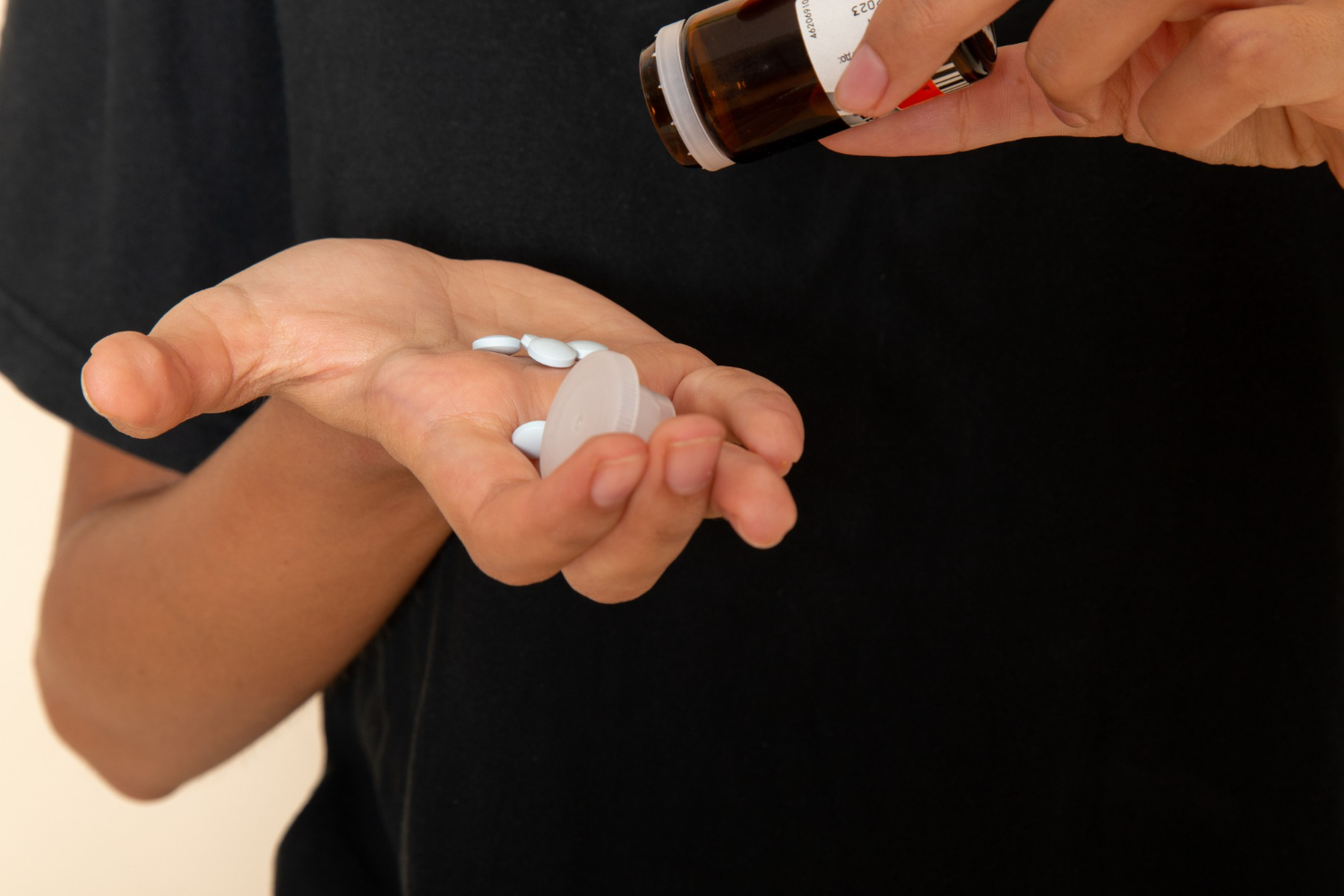
Medication-assisted treatment means using FDA-approved medications, alongside counseling and behavioral therapy, to treat substance use disorders. The medications are a clinical tool rather than the treatment itself.
The most persistent misconception is that MAT trades one dependency for another, and that misreads how the medications work. Buprenorphine and methadone stabilize brain chemistry at a consistent therapeutic dose, which reduces cravings and eases withdrawal. A person holding steady on that dose can work, keep family commitments, and stay in treatment long enough for counseling to matter. Naltrexone operates on the opposite principle, blocking opioid receptors instead of occupying them, so using produces no reward.
Methadone is a long-acting opioid agonist, taken daily at the clinic under clinical supervision. It has the strongest evidence base for people with a longer history of opioid use, and the daily visit carries its own value early on, because it puts a patient in front of clinical staff every morning when stability is thinnest.
Buprenorphine, dispensed as Suboxone or Subutex, works on similar principles but can move to take-home dosing once a patient is stable. Our medication-assisted treatment program provides both induction and ongoing maintenance, and same-day induction is available in qualifying cases, particularly when someone arrives in active withdrawal and ready to start.
Naltrexone, including the extended-release injection known as Vivitrol, suits a different patient. It requires a person to be fully detoxed and opioid-free before the first dose, so it fits those who have already come through withdrawal and want a non-opioid medication that blocks the effects of opioids or alcohol going forward.
For alcohol use disorder, naltrexone reduces craving and the rewarding effect of drinking. Other medications for alcohol dependence exist, and whether any of them fit your situation is decided at assessment rather than assumed in advance.
Medication is not managed in isolation here. Every patient on medication has group sessions, individual counseling appointments and regular clinical check-ins written into the same treatment schedule, and the two sides inform each other rather than running as separate programs.
The division of labour is straightforward. Medication addresses the physiology, and counseling addresses everything the physiology does not explain, including the behavioral patterns and the circumstances a person returns to after each session. Someone stable on buprenorphine but still surrounded by the conditions that drove their use remains at risk, which is why the counseling work carries as much weight in the plan as the prescription does. Medication creates the conditions for that work to happen, and a written relapse prevention plan is where it becomes something usable.
If you are weighing whether medication belongs in your treatment, the assessment is where that gets answered. Walk-ins are welcome during clinic hours at our Troy location, and the clinician who meets with you will explain which medications fit your situation and why.
MAT is most clearly supported for opioid use disorder and alcohol use disorder. Whether it suits a specific person comes out of the initial assessment.
For opioid dependence, medication is often the recommendation that produces the most durable result, and the case strengthens when a person has:
For alcohol use disorder the case is less widely understood but well supported clinically. Naltrexone reduces craving and blunts the reward of drinking, and it is a first-line option rather than a last resort.
No medication is prescribed before evaluation. The assessment covers substance use history, physical health, current medications and any mental health condition that affects the medication plan, and that full picture shapes what gets recommended and at what dose.
From there the process moves quickly. Assessments are typically scheduled within 24 hours of first contact, walk-ins are welcome during clinic hours, and same-day buprenorphine induction is available in qualifying cases. Our admissions team can verify your insurance benefits before the first appointment, so the cost conversation happens before you arrive rather than after.
For people managing both a substance use disorder and a mental health condition, medication management runs alongside the dual-focused group work that forms our co-occurring disorder programming in Troy. One clinical team holds both, working from one care plan.
Mental health conditions shape early recovery in specific ways that the clinical team accounts for from the start. Anxiety and depression frequently intensify in the first weeks off substances, and PTSD symptoms can surface once the numbing effect of use is removed. Treating those as predictable features of early recovery, rather than as complications to handle once the addiction piece is settled, is what keeps people in treatment through the hardest stretch.
No. At a therapeutic dose, methadone and buprenorphine stabilize brain chemistry rather than producing intoxication, which is what allows a person to work and attend counseling. Naltrexone contains no opioid at all and blocks opioid effects instead.
There is no fixed endpoint. Medication continues as long as it remains clinically appropriate, which for some people is months and for others considerably longer. Your prescribing clinician reviews it with you as your situation changes.
Same-day buprenorphine induction is available in qualifying cases, most often when someone is in active withdrawal and clinically ready. Every case requires an assessment first.
Medicaid, Medicare, most private plans and self-pay are accepted. Named carriers include Healthfirst, Excellus BlueCross BlueShield, Fidelis Care, MetroPlus Health and MVP Healthcare. Call to confirm your specific plan before your first appointment.
If medication-assisted treatment is something you are considering for yourself or for someone in your family, the next step is an assessment at our Troy clinic. Walk in during clinic hours, or call to schedule and a clinician will usually see you within 24 hours.
Conifer Park, Outpatient Treatment Center, Troy
Address: 2431 6th Ave, Troy, NY 12180
Phone: (518) 274-5143
Intake: (800) 926-6433
Hours: Monday to Friday, 8:00 AM to 6:00 PM. Saturday, 8:30 to 11:00 AM.


.jpg)



























.jpg)
















.jpg)