When Mental Health Symptoms Require Higher Levels of Care in Troy, NY
September 17, 2026
.png)

September 17, 2026
Outpatient treatment works well for a lot of adults in recovery in Troy. Flexible scheduling, keeping up with work, staying present for family, these things matter. And outpatient care is genuinely built around that. It fits into daily life instead of pulling you out of it, which is a real advantage for a lot of people.
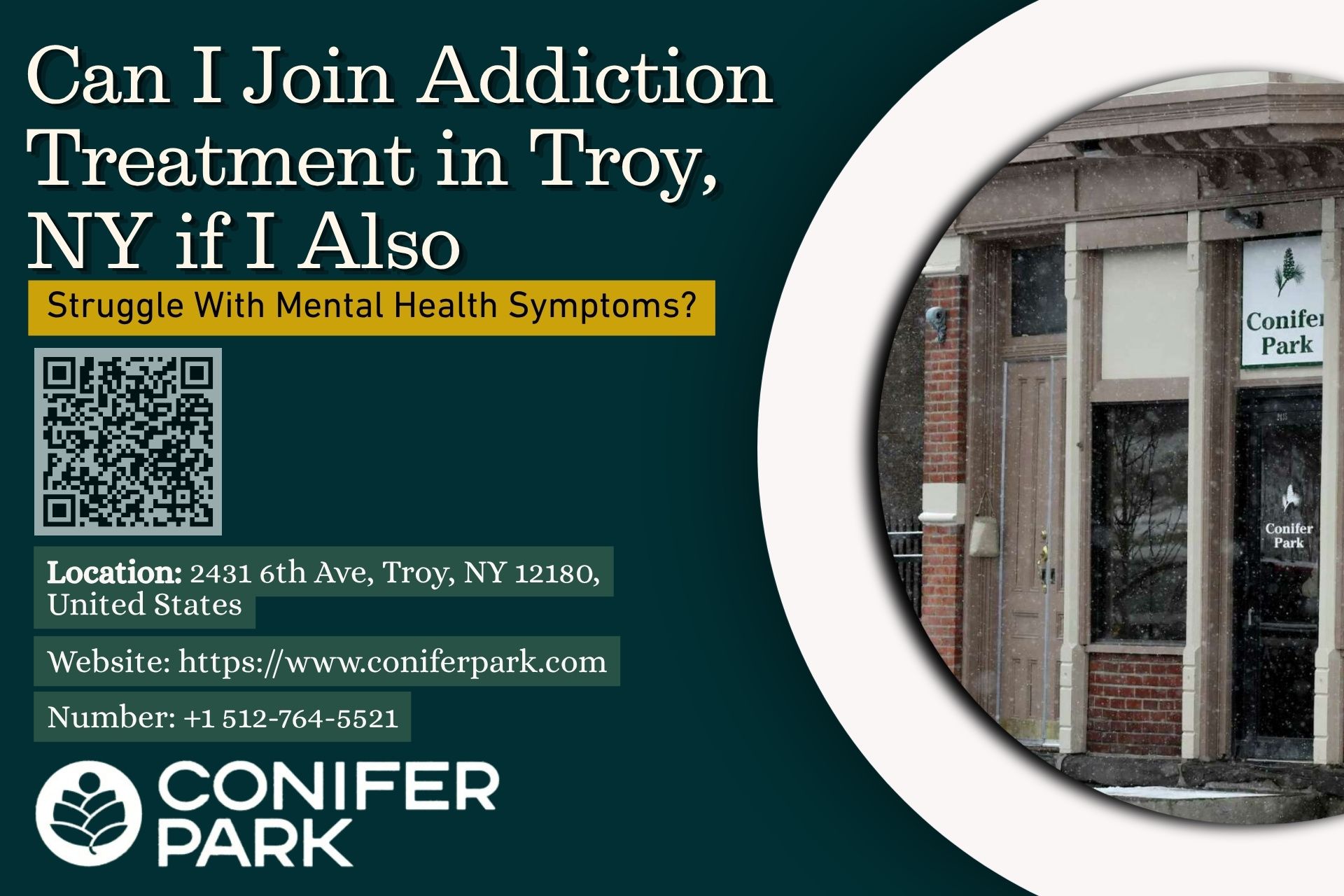
But outpatient treatment needs a certain clinical baseline to work. Not everyone has that baseline when they first ask for help, and that is okay. Some mental health symptoms are just too severe to manage safely at that level, at least not right away.
Starting someone at the wrong level of care because it is the least intensive option is a bit like handing someone a map when they actually need a guide. It looks like help. It might not be. As a reliable outpatient rehab clinic, we take that first assessment seriously because getting it right early on changes what recovery actually looks like down the road.
Several factors shape whether outpatient addiction treatment is right for someone as an initial level of care, and a clinical assessment will evaluate all of them. The severity and current stability of mental health symptoms are one factor. Outpatient sessions require a person to show up, engage with clinical material, and apply what is learned between appointments.
Active psychiatric symptoms that are making basic daily functioning difficult may make that level of engagement unrealistic without more intensive support first. It is a bit like trying to run before the ground is steady under you. The conditions have to be right.
Withdrawal risk is another factor, and it is separate from mental health but frequently intertwined with it. Alcohol and benzodiazepine withdrawal can be medically dangerous without supervision. Someone whose mental health condition is complicated by a withdrawal process requiring 24-hour monitoring is not a candidate for outpatient as a first step, you know, regardless of how motivated they are.
Our Troy clinic conducts a full clinical assessment that addresses both of these dimensions before making any recommendation about level of care.
Certain presentations are clear indicators that starting at a higher level of care is appropriate. On the mental health side, these include:
On the addiction side, a history of multiple treatment attempts without sustained recovery, particularly when previous outpatient programs have not held, can indicate that the match between treatment intensity and clinical need has been off. This is not a judgment about effort or willingness. It is a clinical observation that adjusting that match is what changes the outcome. Repeating the same level of care that has not worked rarely produces a different result.

Above outpatient, the clinical spectrum includes medically supervised detoxification, inpatient rehabilitation, and inpatient psychiatric stabilization. Each level addresses a distinct clinical need:
Our team provides all three under one roof. The 225-bed facility offers medically supervised detox, inpatient rehabilitation, and co-occurring psychiatric services. Clients do not have to navigate separate facilities for each component. The full continuum is available within the same organization, which matters during some of the most clinically fragile moments in the recovery process.
If a clinical assessment at our Troy location shows that outpatient is not the appropriate starting point, the path to a higher level of care happens within the same organization. This is not a referral to an outside provider followed by a new intake process with a team that does not know the person. Our clinical team coordinates the transition to the Glenville campus directly, and the information from the Troy assessment travels with the client.
Same records. No restart of intake. A clinically coordinated handoff rather than a fragmented gap between providers. For someone who has already had to explain their history from the beginning with a new team before, not having to do that again is not a small thing.
One of the most common paths into our Troy clinic begins with an inpatient stay at the Glenville campus. Completing inpatient treatment is not the end of the clinical process.
The first weeks and months after leaving a residential setting are among the highest-risk points in recovery, and stepping down into a structured outpatient program during that period significantly improves the clinical outcome of the inpatient work that came before it.
Our intensive outpatient program in Troy provides that continuity. Three sessions per week, three hours per session, covering relapse prevention, group therapy, individual counseling, and ongoing clinical support from a team already familiar with the case.
For clients coming down from inpatient care who also have a mental health condition, our dual diagnosis outpatient program continues the integrated co-occurring disorder work that began at the inpatient level, without starting over.
Not every path through treatment looks the same, and the right level of care is determined by clinical assessment, not a general framework. Some people start in Troy outpatient and complete treatment there. Some start at the Glenville inpatient campus and step down into Troy. Some come to Troy for an assessment and are connected to inpatient care before returning to outpatient later. All of these are valid clinical paths that the assessment process is designed to identify.
What matters is matching the level of care to what a person actually needs at the point they are seeking help. Attempting outpatient when the clinical picture calls for something more intensive sets the treatment up to fall short, which discourages people from seeking care again. Getting the level right from the start is the goal.
Our admissions team handles that initial conversation and can walk through what a clinical assessment covers and what to expect from there.
Related Topics:


.jpg)



























.jpg)

















.jpg)