How Alcohol Detox Centers Help You Overcome Addiction
September 8, 2026
.png)

September 8, 2026
Alcohol detox centers are, you know, kind of like a safe place when someone is trying to quit drinking. It’s not just about stopping alcohol; it’s about getting support, learning how to cope, and having people around who actually understand what you’re going through. At a reliable alcohol detox center, there’s medical staff, counselors, and routines in place to make sure things don’t get too overwhelming. Honestly, even small things like having someone check on you every few hours can make a huge difference. It’s comforting, knowing that help is right there when you need it.
Recovery isn’t instant. It’s messy sometimes, and that’s okay. Detox centers give you a framework, but you also learn strategies to deal with cravings, mood swings, and those moments when you feel like giving up. It’s about taking one day at a time, maybe even one hour at a time, until it starts feeling manageable.
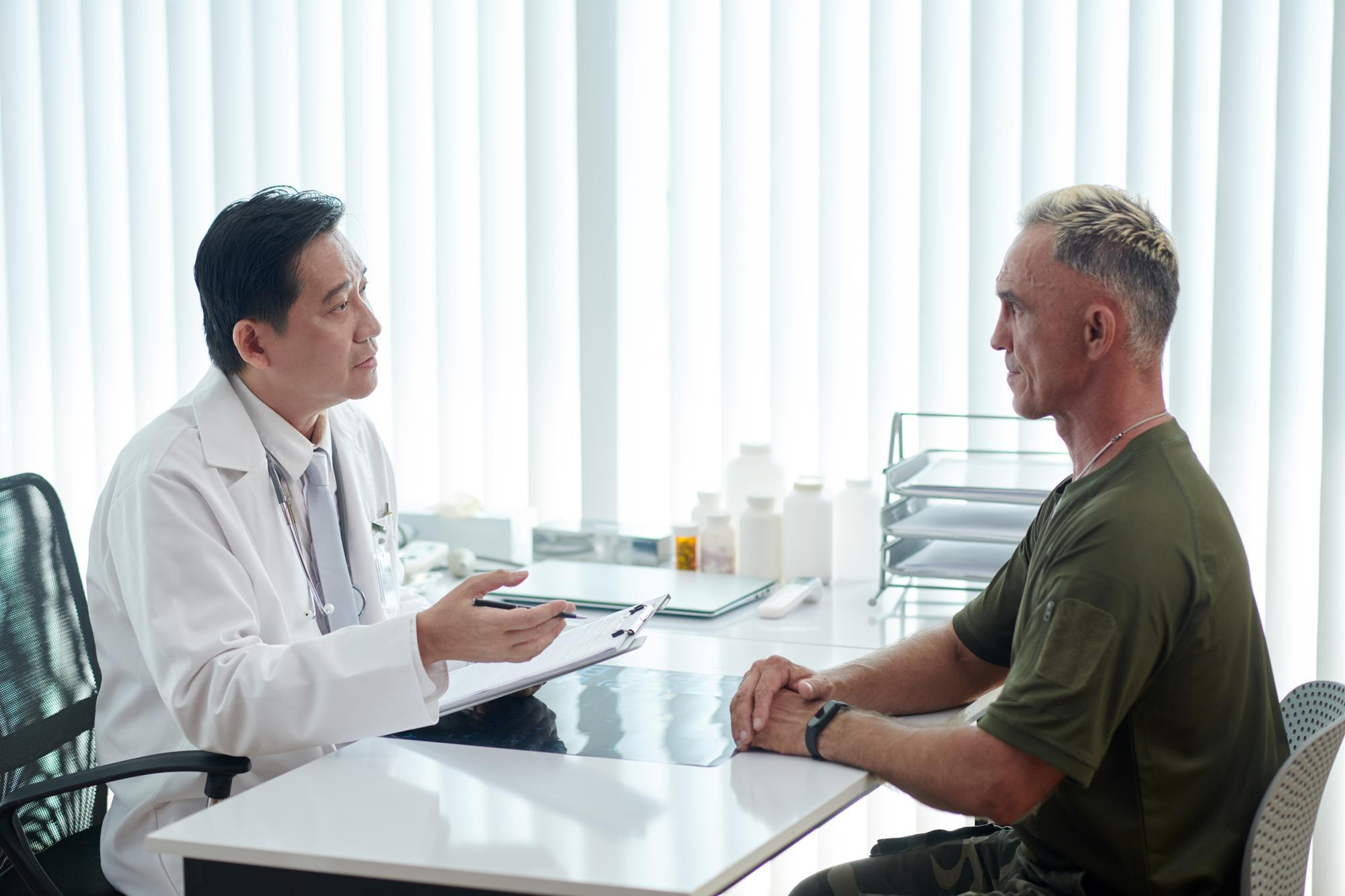
Having someone experienced around while you detox is just really important. You can’t always predict how your body will react, and, honestly, some withdrawal symptoms can get intense fast. At the center, professionals are there to help you through this. They can adjust medication if things get rough, keep an eye on vital signs, or talk you through moments when you feel anxious.
Sometimes, it feels like no one gets what you’re feeling. But here, people do. They’ve seen it all, and that support makes a difference, even if it’s just someone saying, “Hey, that’s normal. You’ll get through this.” Knowing you’re not alone, well, it’s huge.
The place itself matters a lot. A calm, structured environment helps more than you think. At the center, everything’s set up to reduce stress and distractions, which can actually lessen cravings and anxiety. You have a routine, meals, check-ins, and a place to rest without worrying about outside pressures.
It’s not perfect, obviously, because withdrawal can still feel rough. But having a controlled environment means fewer surprises. And when things get bad, help is right there. That kind of safety, just being able to relax a bit, is harder to find on your own.
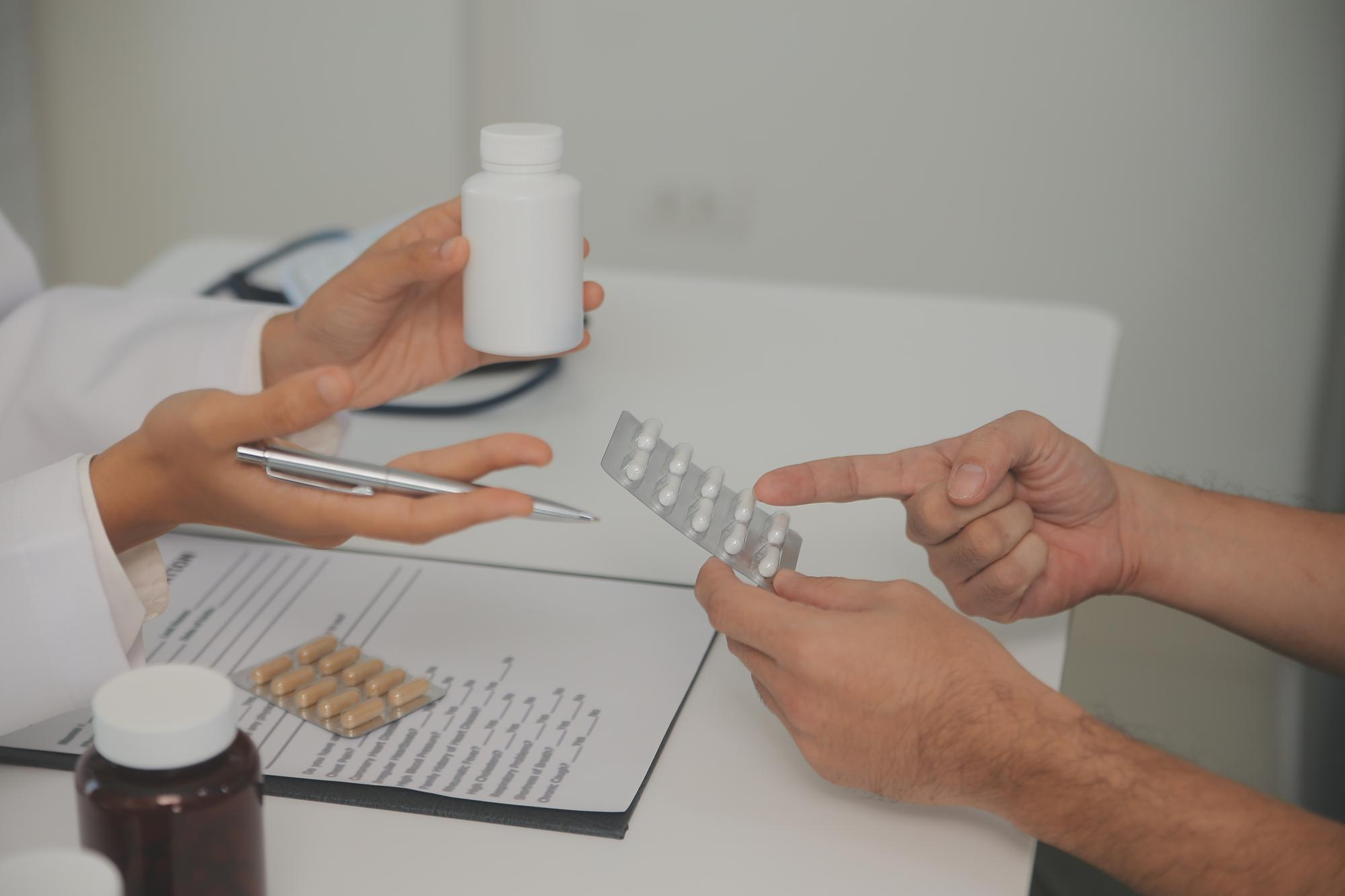
Medical support is, well, kind of the backbone of detox. Staff can provide medications to help with withdrawal and watch for complications like dehydration or spikes in blood pressure. They also check in regularly, sometimes to make sure you’re okay, which sounds simple but really matters.
Everyone’s different. What works for one person might not work for another. At a detox center, they can tweak treatments, give extra support, or sit with you when it’s rough. It’s not about pushing pills; it’s about adjusting care to your needs and making sure you’re safe.
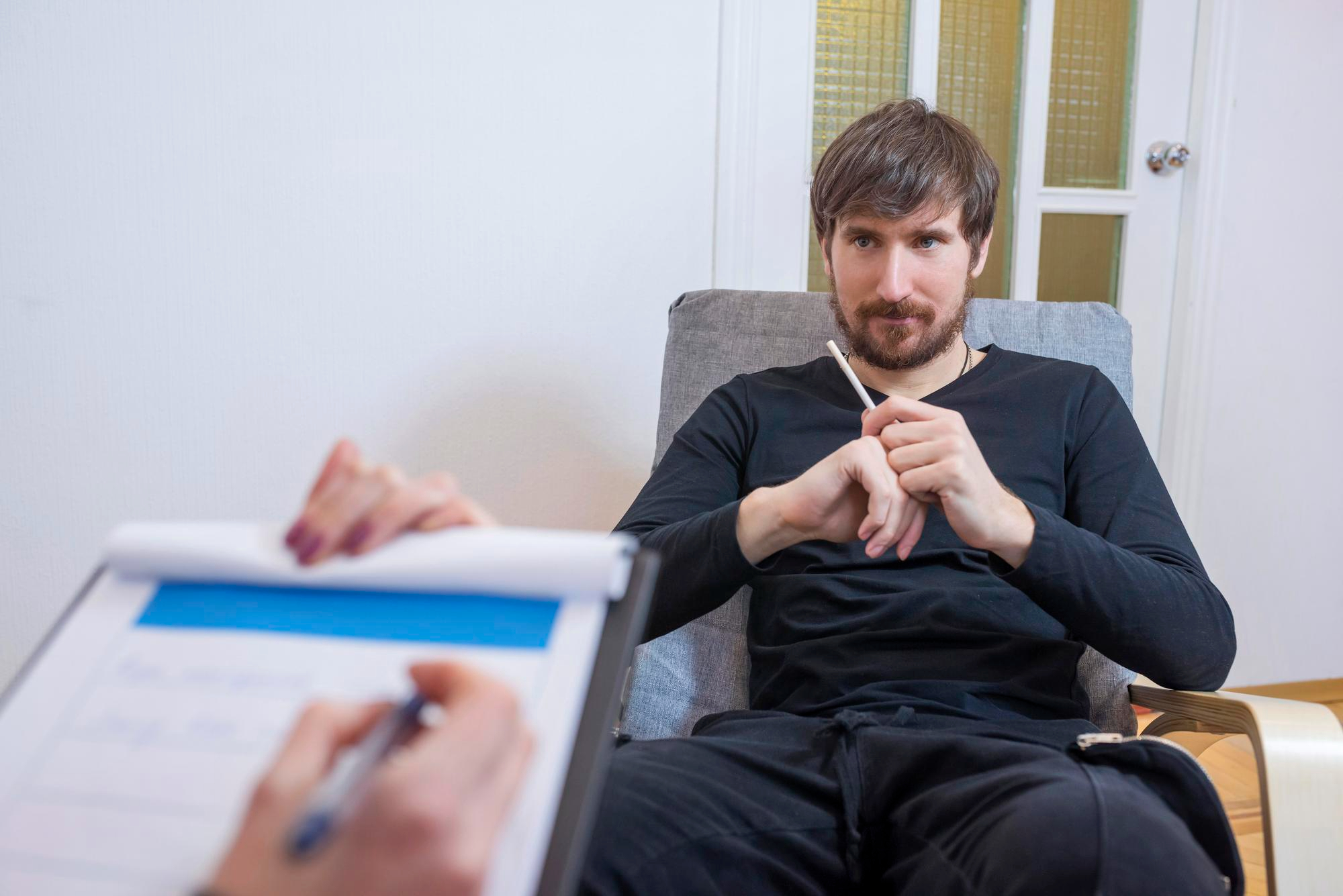
Counseling at the center isn’t just talking about “don’t drink.” It’s about figuring out why you drank in the first place, what triggers you, and what might help you avoid relapse. You might explore habits, relationships, stress, you name it.
Sessions can feel awkward at first, even a bit uncomfortable. But that’s the point. You work through stuff that otherwise might stay buried, which, over time, makes sticking to sobriety easier. Therapists don’t just lecture; they guide, listen, and give practical strategies for coping in the real world.
You know, quitting alcohol alone is just way harder. Surrounding yourself with people who get it, friends, family, and counselors, makes a real difference. A support network gives you someone to vent to, someone to celebrate small victories with, or someone to remind you why you’re doing this when you feel weak.
It’s normal to be hesitant at first, maybe even embarrassed. But connecting with people who actually understand can be a game-changer. It’s not a sign of weakness; it’s part of building strength for the long haul.
After detox, the process isn’t over. Aftercare programs help keep momentum going as you re-enter daily life. They offer check-ins, therapy, or structured activities that make it easier to stay sober.
You might feel nervous about leaving the center, and that’s okay. Aftercare is like a bridge; you’re not alone on the other side, and you still have guidance while you learn to manage cravings, stress, or triggers outside the controlled environment. Sticking with aftercare is one of the smartest things you can do to make recovery last.
Related Topics:










.jpg)






















.jpg)















.jpg)