Understanding Alcohol Detox: A Comprehensive Guide
February 14, 2026
.png)

February 14, 2026
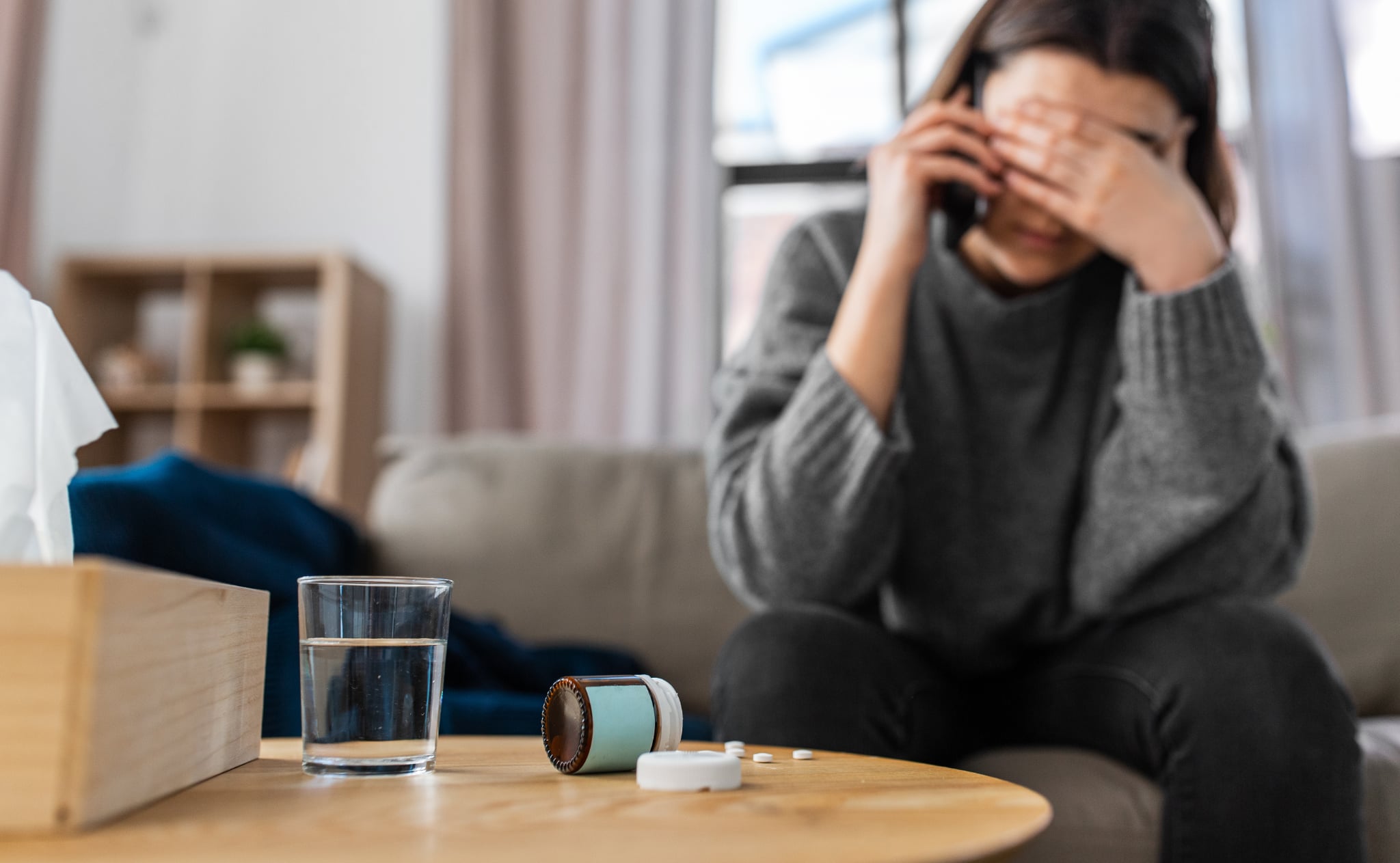
Alcohol detox is kind of tricky. Your body has gotten used to having alcohol around, so when it stops, things get a bit messy. You might feel anxious, shaky, or just plain off. Sweating, trouble sleeping, even nausea, yeah, it’s normal. An effective alcohol detox can really help you get through this safely. Having someone there, even just a nurse checking in, makes a huge difference. It’s not fun, but knowing what to expect makes it easier.
Honestly, a lot of people freak out because the symptoms feel intense. But if you’re aware of them and have support, it’s manageable. Small steps: hydration, rest, maybe meds, and making it less overwhelming.
So, what is alcohol detox anyway? It’s basically the process where your body clears out alcohol while dealing with withdrawal symptoms. Your brain and body are adjusting to no booze, and that can bring a bunch of weird feelings. Anxiety, sweating, insomnia, the list goes on.
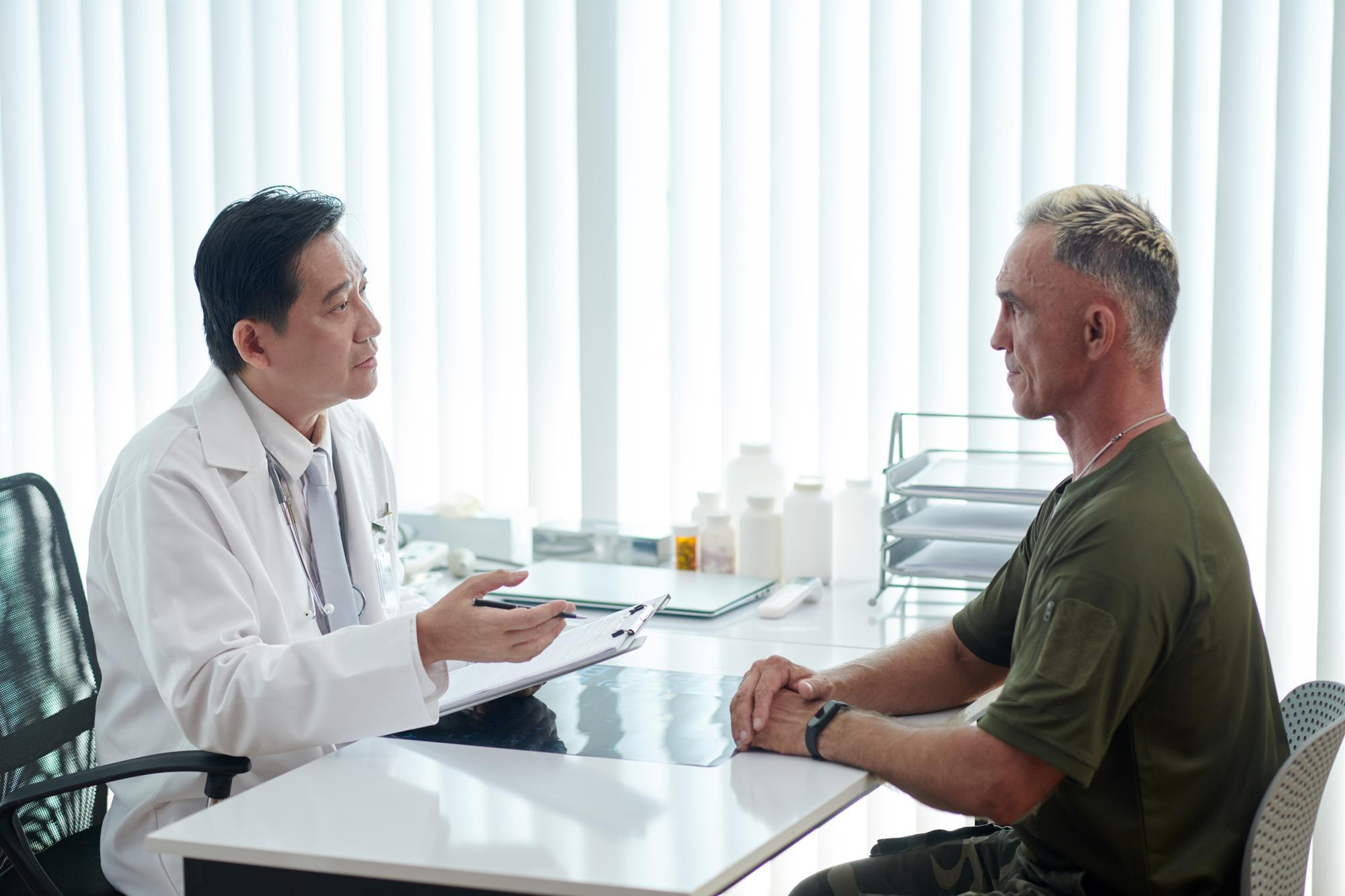
Doing it under medical supervision is smart. Doctors or nurses can give meds if things get intense and make sure your vital signs stay okay. Emotional support matters too. Talking to someone or getting a counselor involved helps you deal with cravings and mood swings.
Detox symptoms vary, and honestly, they can surprise you. You might feel shaky, nauseated, tired, or really anxious. Your mood could swing like crazy, and sleep? Forget it sometimes.
It’s temporary, though. Drinking lots of water, eating some decent food, and getting rest helps. And yeah, having someone check on you is a lifesaver. You’re not alone in this, even if it feels like it.
The timeline’s kind of predictable but not exact. Symptoms usually show up 6 to 12 hours after your last drink. At first, there’s anxiety, trouble sleeping, and maybe some stomach upset.
By the next day, heart rate can rise, blood pressure might spike, and hallucinations can happen in severe cases. Days two and three are usually the worst. After about a week, most symptoms calm down, but keeping medical support around is smart.
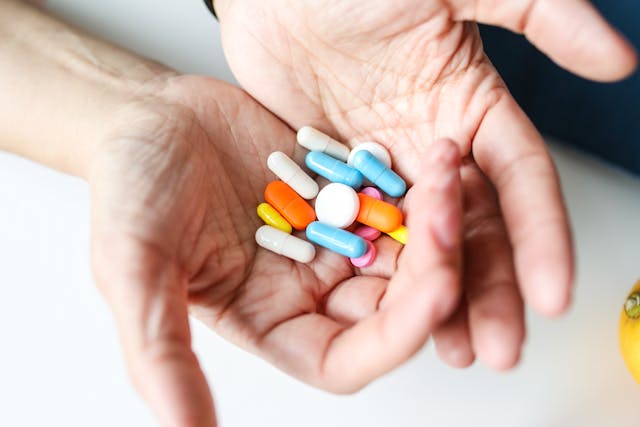
There are a few ways to handle detox. Medical detox is the most controlled by nurses and doctors, with monitoring. Some people try meditation, acupuncture, or gentle exercise alongside it. Medications like benzodiazepines help with serious withdrawal, and drugs like Disulfiram discourage drinking.
Everyone’s different, so what works for one person might not for another. The key is knowing your options, asking questions, and getting the right mix of support, activity, and medicine. Small adjustments can make a big difference in comfort and safety.
Detox isn’t without risks. Tremors, anxiety, dehydration, and even seizures can happen. Hallucinations or delirium tremens aren’t super common, but they do occur, so having professional oversight is crucial. Psychological effects like depression or intense cravings also pop up.
It’s not all doom and gloom, but planning for these risks helps you stay prepared. Support systems, hydration, and careful monitoring make a huge difference in navigating this part of recovery.
Making detox work means combining preparation, support, and persistence. Set up a safe, comfortable space. Drink water, eat healthy, and rest when you can. Talk openly with healthcare providers.
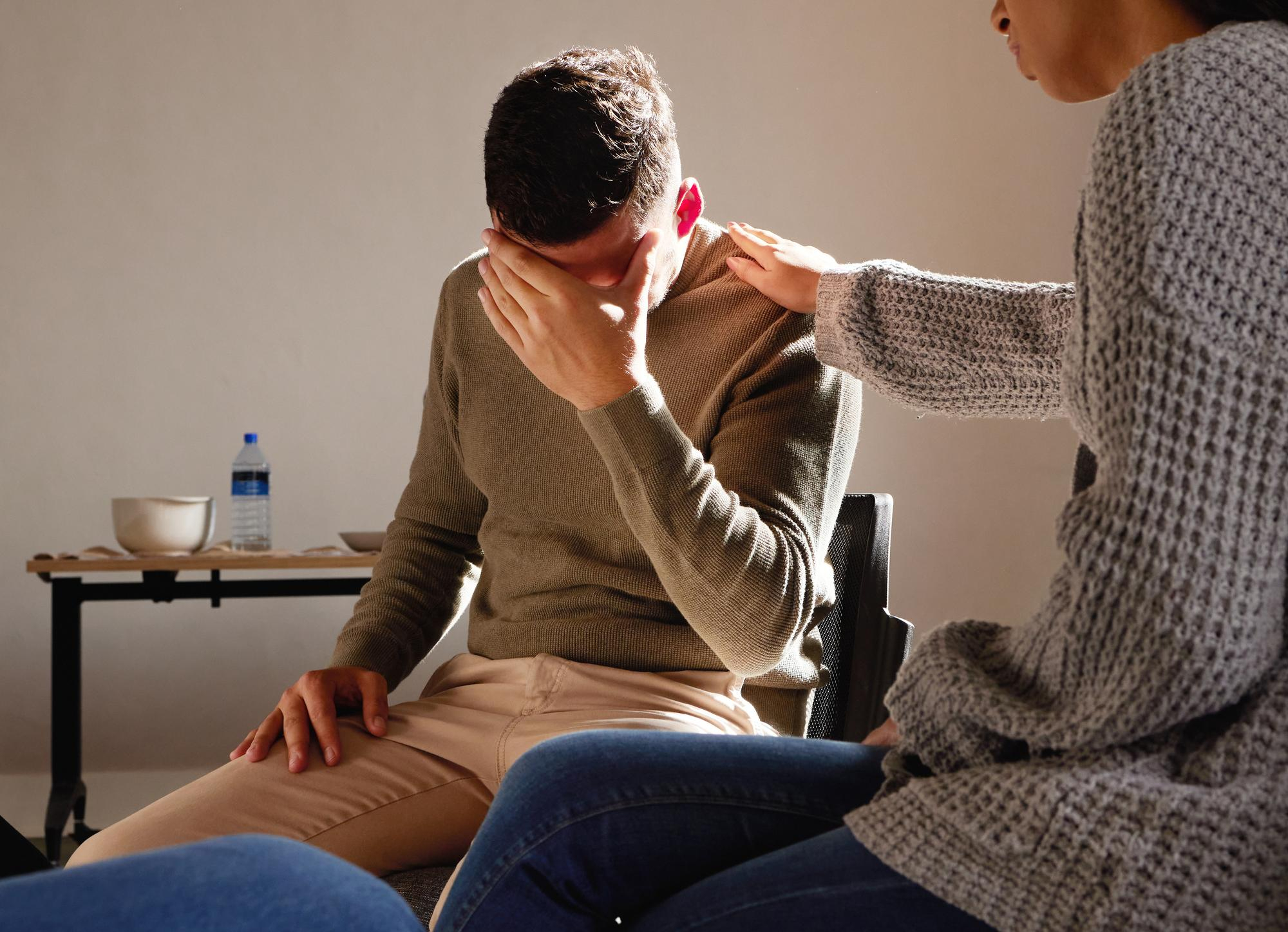
Lean on friends or family if possible, or a support group. Try to do relaxing activities, such as stretching, meditation, and listening to music. Focus on small victories. Even noticing minor improvements is motivating.
Just remember: you don’t have to do this alone. With the right setup, patience, and guidance, detox is manageable. Taking it one day at a time, paying attention to your body, and using an effective alcohol detox program gives you a real shot at recovery.
Related Topics:










.jpg)
























.jpg)














.jpg)