How to Safely and Effectively Drug Detox at Home
January 19, 2026
.png)

January 19, 2026
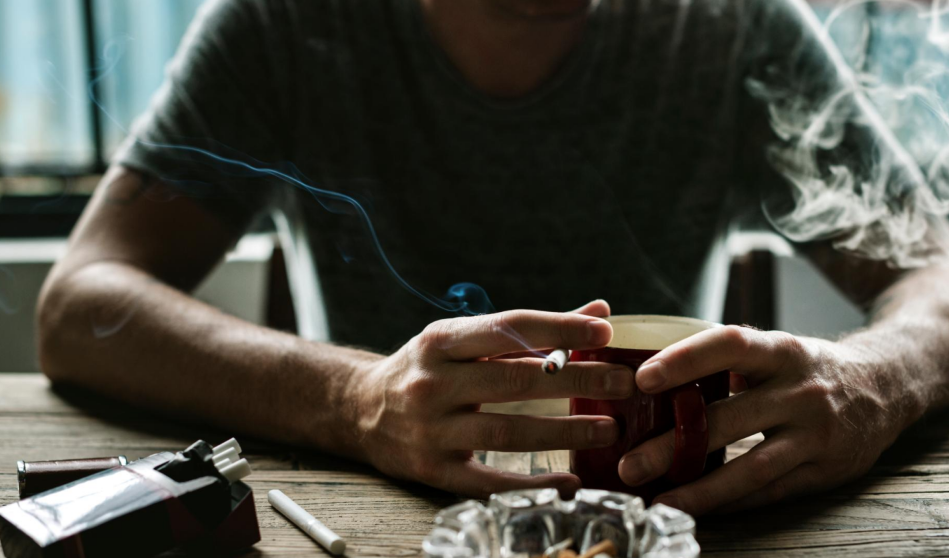
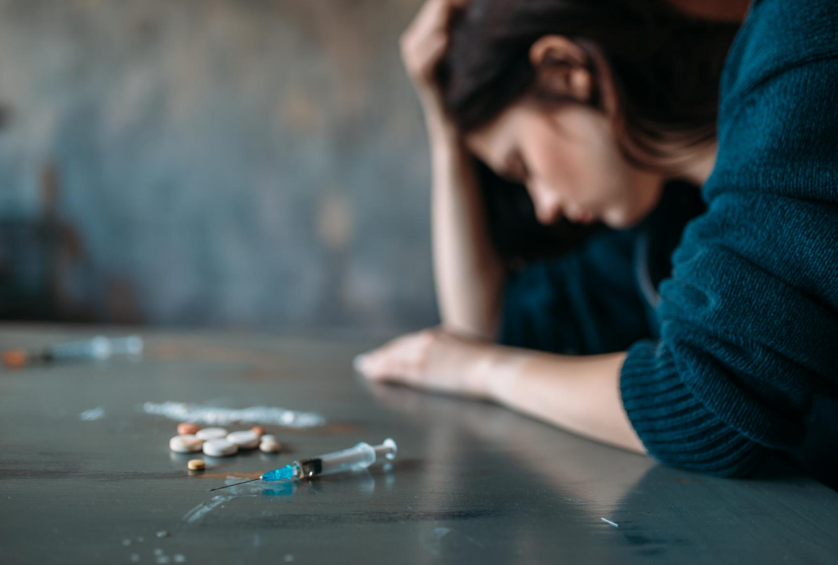
Look, detoxing from drugs at home isn't something to take lightly. A professional addiction treatment facility gives you round-the-clock medical support, but not everyone's ready for that step or has access to one. If you're set on doing this at home, you need to understand what you're walking into. We're talking withdrawal symptoms, setting up your space properly, dealing with the physical hell your body's about to put you through, eating right when food's the last thing on your mind, and knowing who to call when things get sketchy. This isn't a casual weekend cleanse - it's serious business that requires planning and people in your corner.
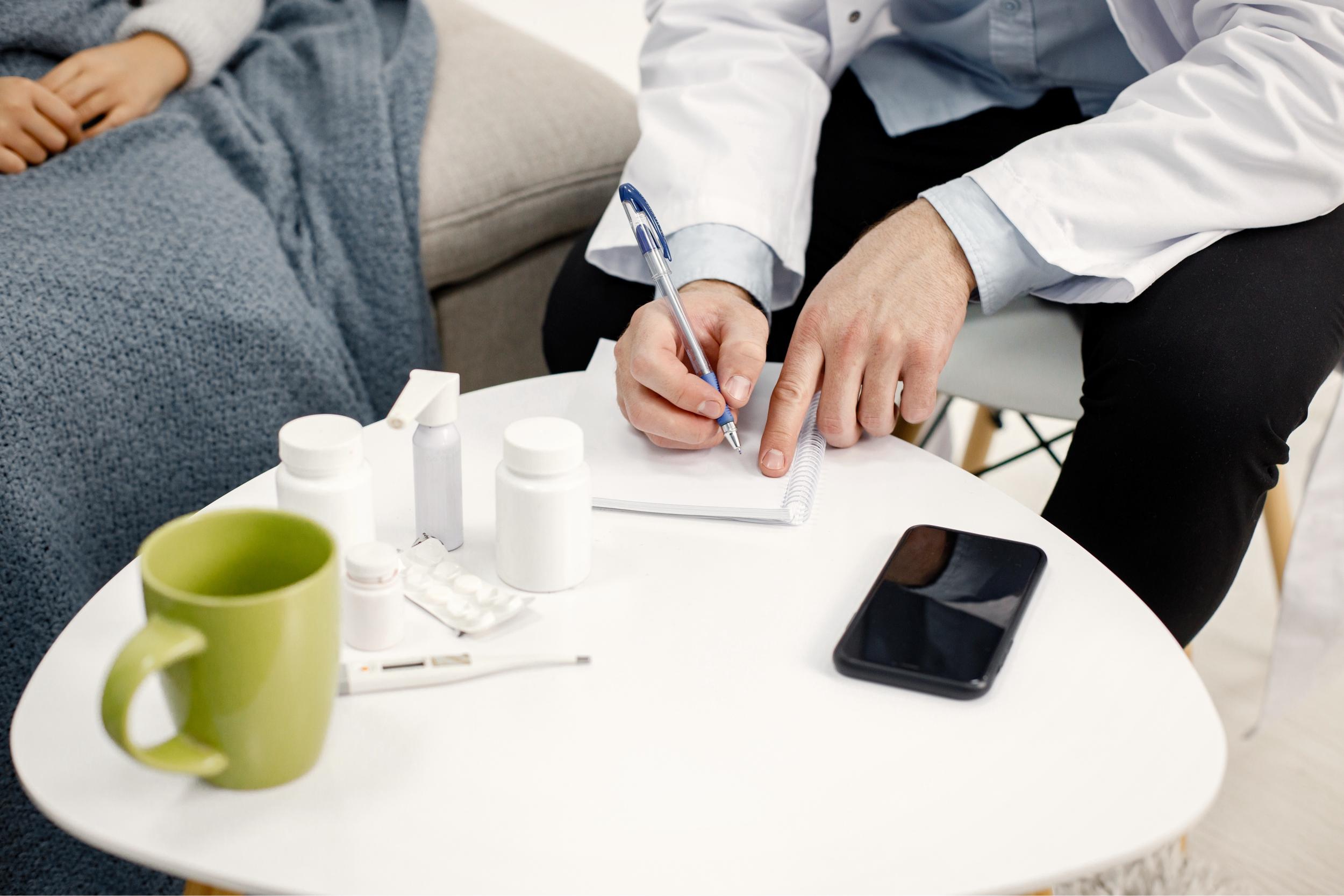
Here's the deal: your body's gonna fight you. Depending on what you're coming off, expect anxiety that makes your skin crawl, nights where sleep's impossible, nausea that won't quit, sweats that soak through your sheets, and muscles that ache as if you got hit by a truck. You can't just wing this and hope for the best. Talk to a doctor or addiction specialist before you start - they'll tell you what's coming based on your specific situation. Different drugs mean different withdrawal patterns, so what worked for someone detoxing from alcohol won't be the same as someone coming off opioids or benzos. Get informed about what you're dealing with. The more you know beforehand, the less likely you'll panic when symptoms hit hard at 3 AM.
First thing - get rid of everything. All of it. Substances, gear, phone numbers of people who'll sabotage you. Don't keep "just a little bit" around. That's how people fail. Make your space comfortable because you'll be spending a lot of time there, feeling like garbage. Clean sheets, decent pillows, temperature control, and windows you can crack for fresh air. Stock up on water and easy-to-eat food now, because you won't want to deal with it later. Write down emergency numbers and stick them on your wall. Tell someone trustworthy what you're doing - someone who can handle a frantic phone call if you need help. Better yet, have someone stay with you for the worst days. You want zero barriers between you and safety if something goes sideways.
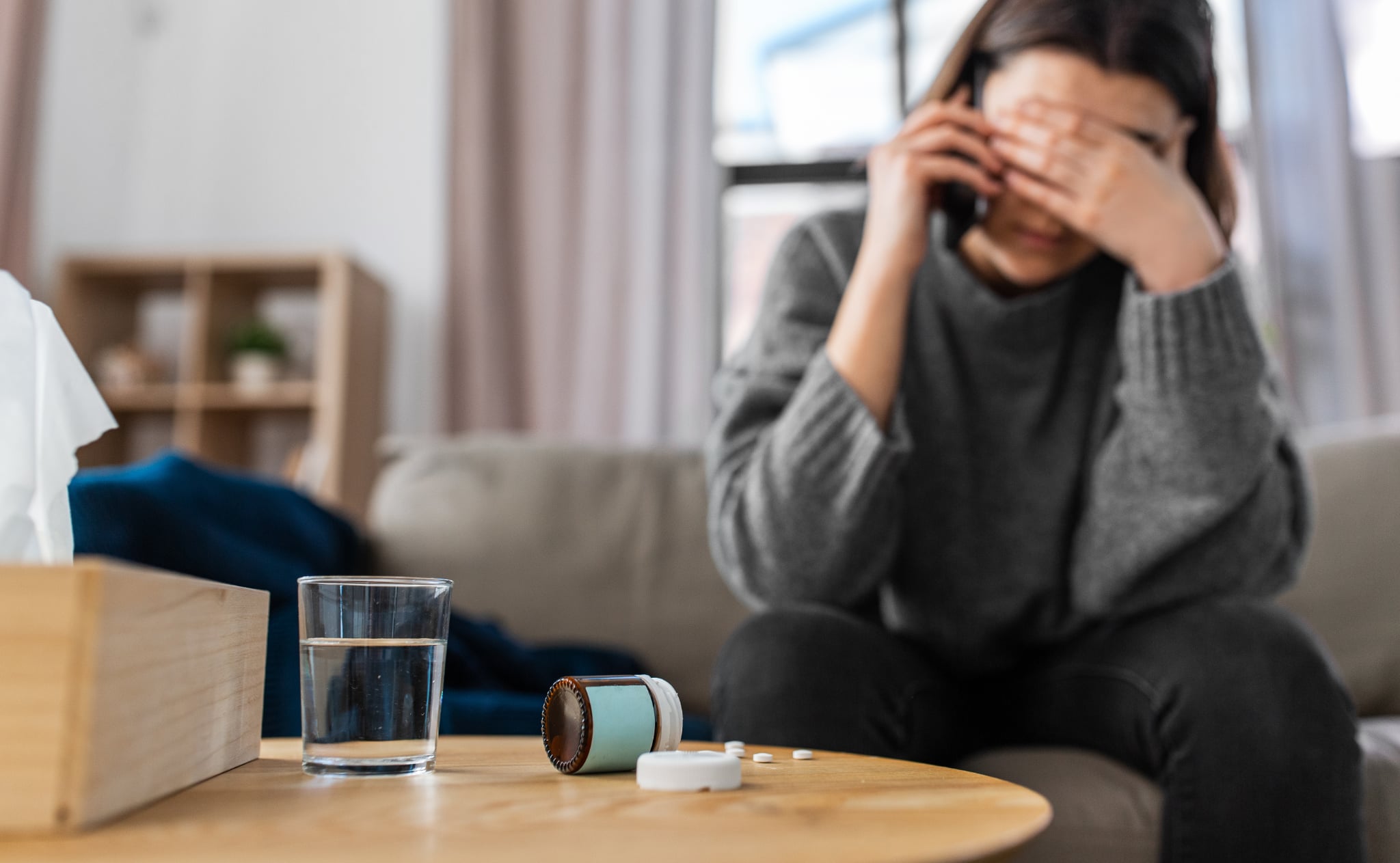
Withdrawal doesn't care about your schedule or comfort level. It shows up and does what it wants. Drink water constantly. Your body's trying to purge everything, and dehydration makes all of it worse. Keep a water bottle next to you and drink even when you don't feel like it. When the anxiety or muscle tension gets overwhelming, breathing exercises actually help - sounds basic, but deep breaths can bring you down from the edge. Meditation or gentle stretching works for some people. Don't be a hero about this. Call your doctor, a counselor, or hit up a support group when you're struggling. There's a difference between normal awful withdrawal and "you need medical help right now" awful. Learn to tell them apart, because some withdrawal can actually kill you, depending on what you're detoxing from.
Your appetite's probably shot. Food might make you nauseous just thinking about it. Eat anyway. Your body's been running on fumes and whatever substance you were using, so it needs actual nutrients to rebuild. Fruits, vegetables, whole grains, proteins - basically anything that isn't junk food. Small amounts count. A handful of berries is better than nothing. Keep drinking water all day long. You're flushing out toxins, and your body needs liquid to do that job. Herbal tea, coconut water, electrolyte drinks - mix it up if plain water gets boring. When your stomach can handle it, eat something with real nutritional value. Your body's doing hard work right now and needs fuel to keep functioning while everything resets.
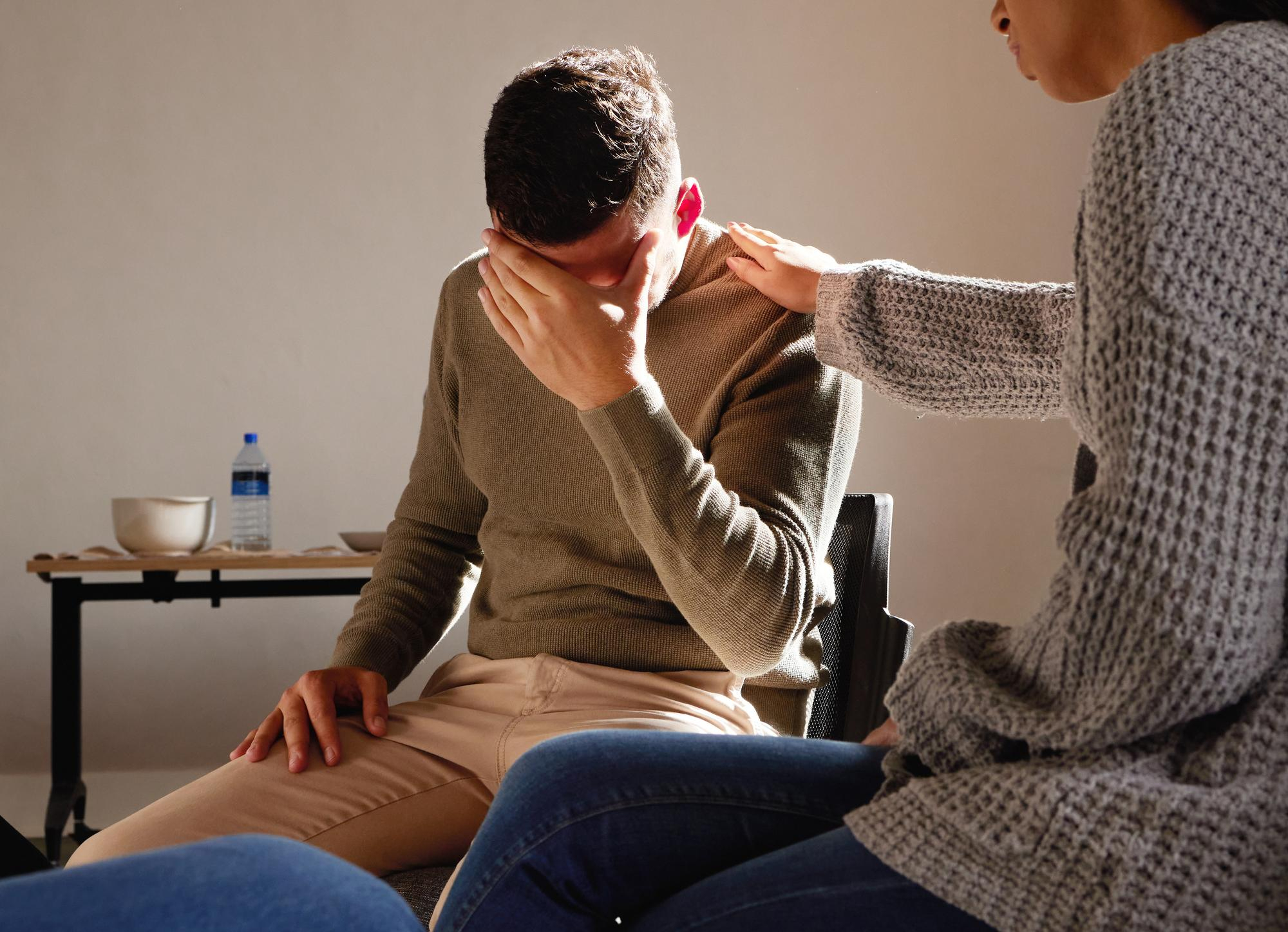
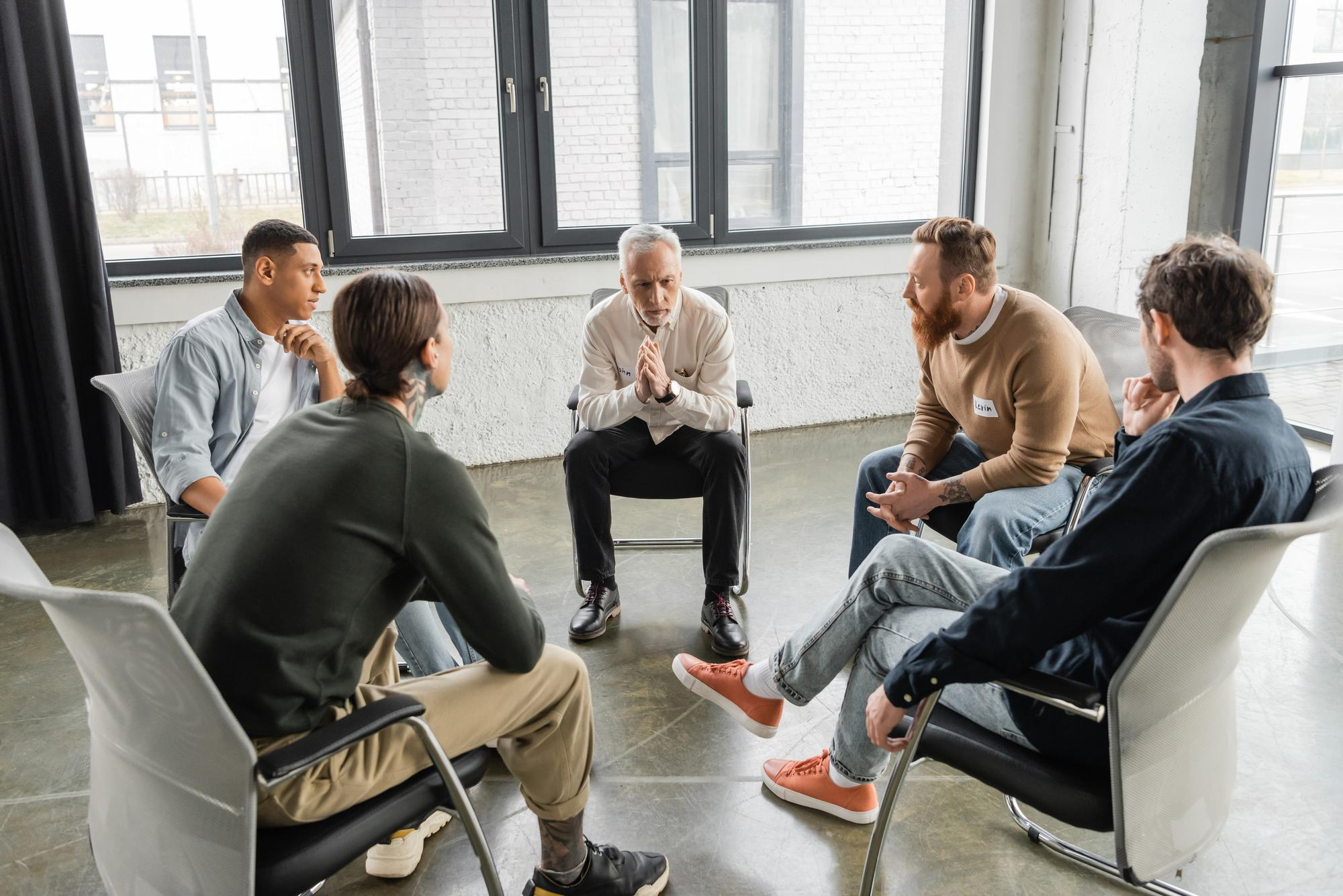
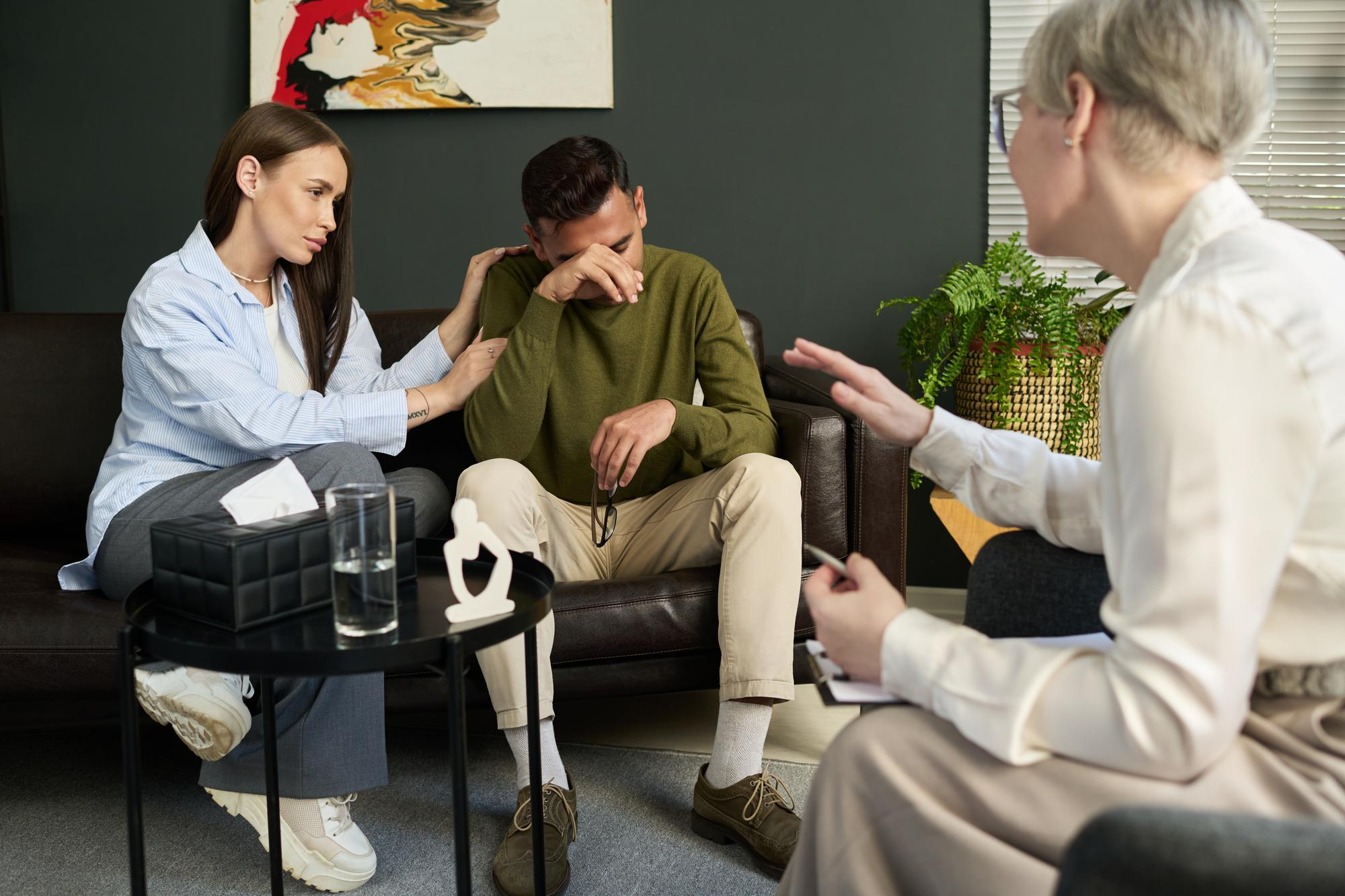
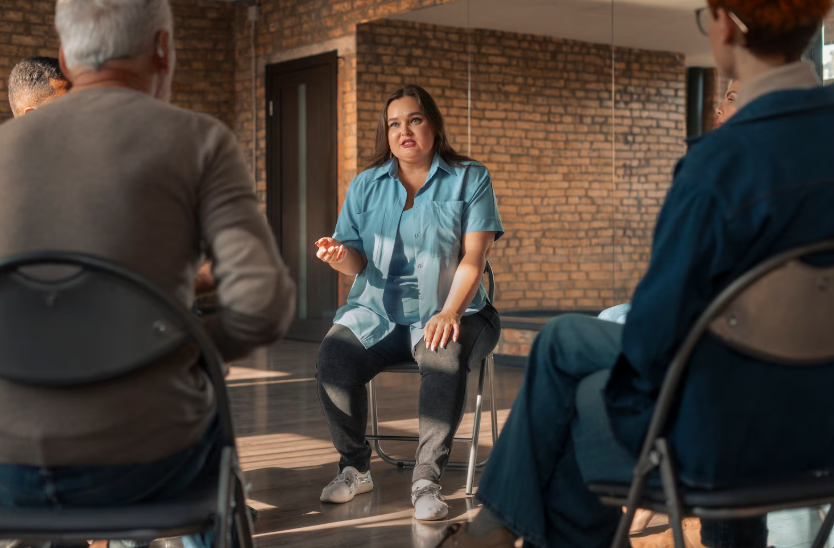
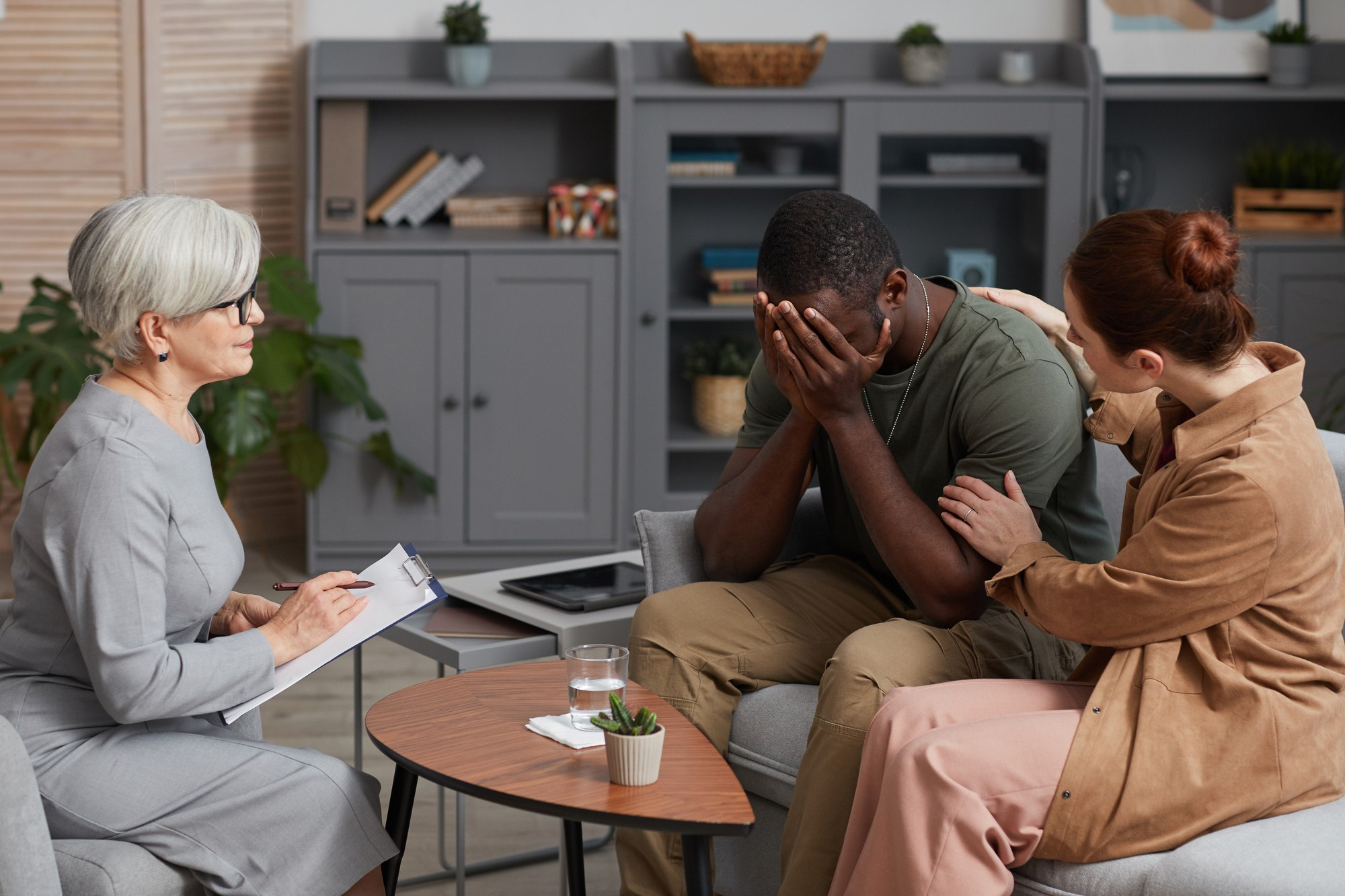
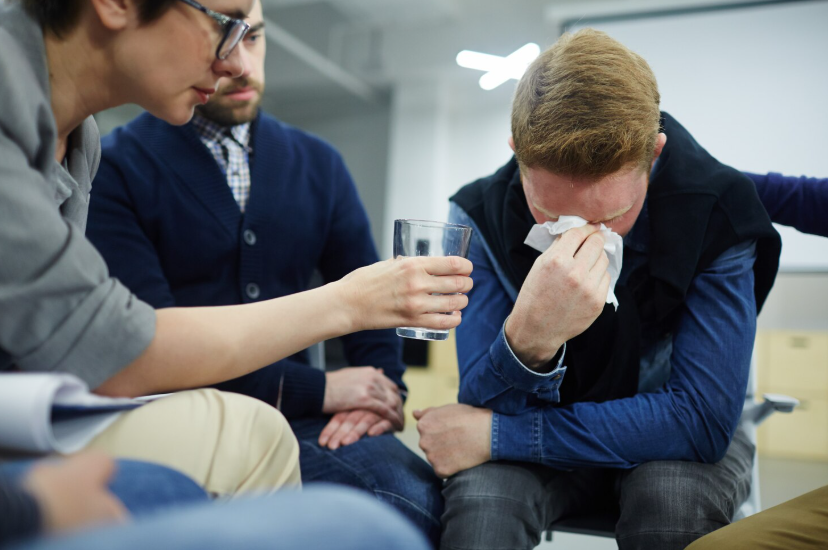
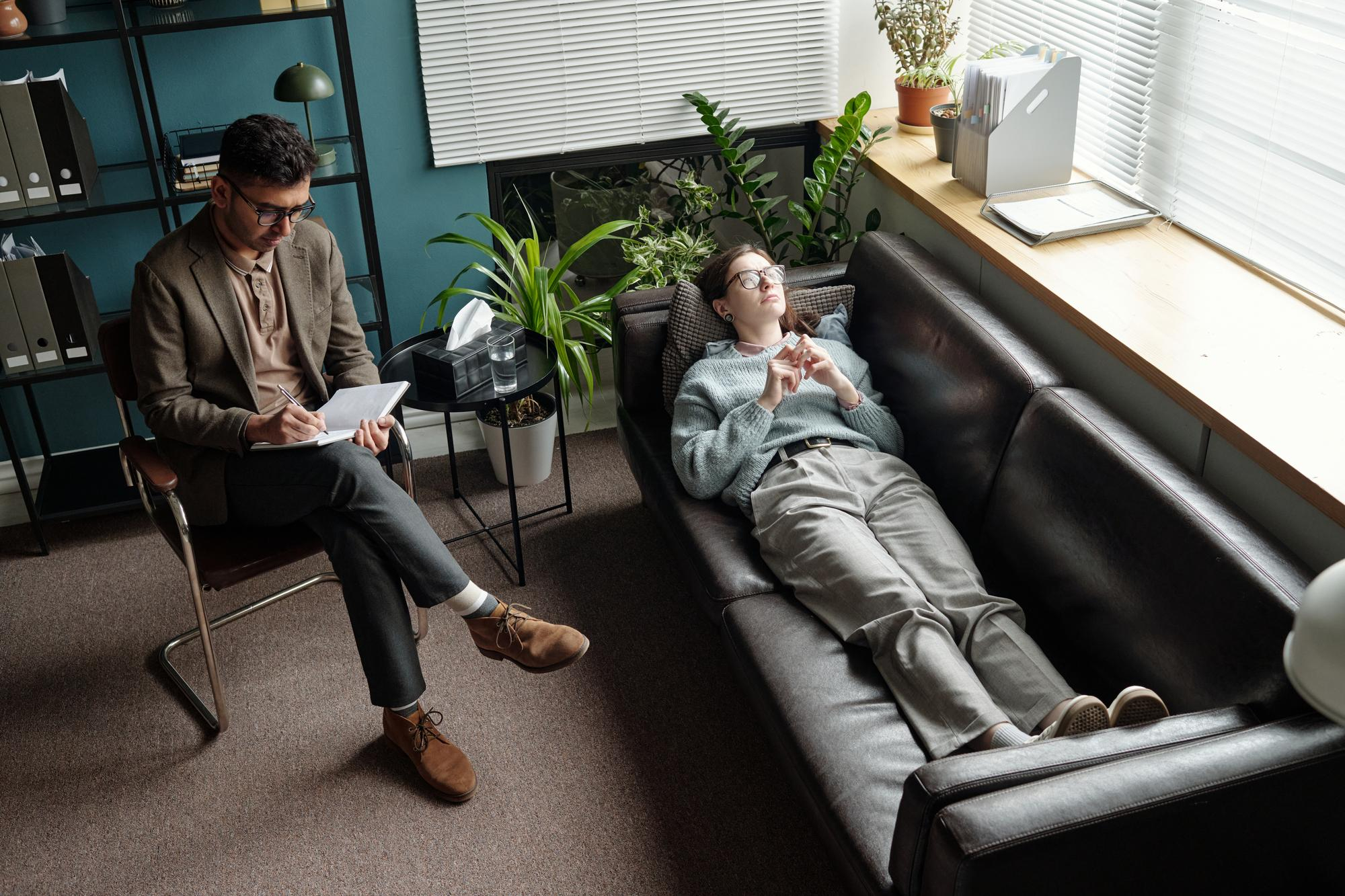
Don't do this alone. Seriously. Tell your family and friends what's happening - the ones who actually give a damn about you getting clean. You need people who'll answer the phone at weird hours and talk you through rough patches. Join a support group. Online works if in-person feels like too much. Hearing from people who've been through it and came out the other side makes a difference when you're convinced you can't handle another hour. Get a therapist or counselor involved if you can. They help you figure out why you started using in the first place and teach you how to deal with life without substances. Support keeps you honest. It gives you people to text when cravings hit. It reminds you that recovery's possible because others have done it.
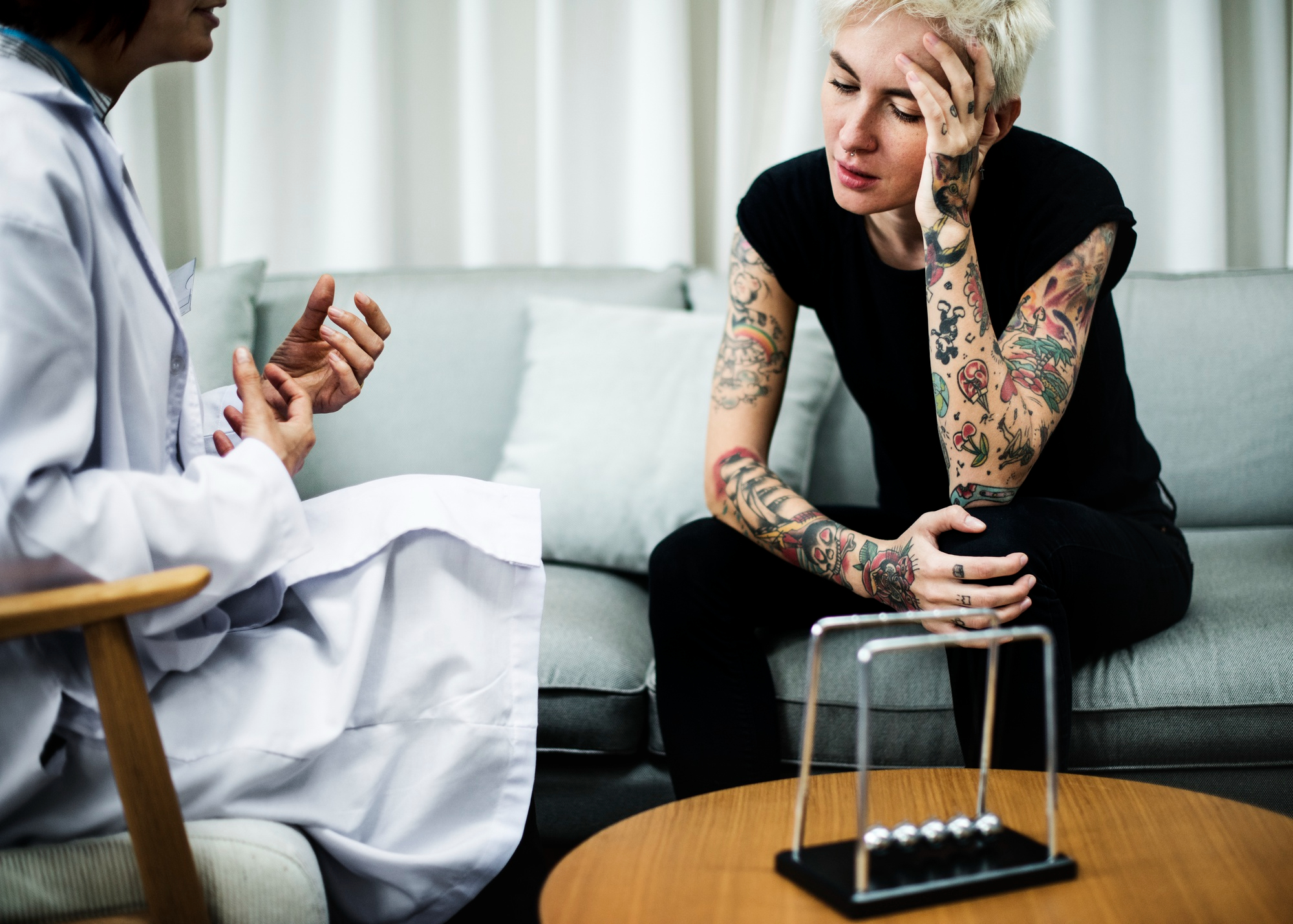
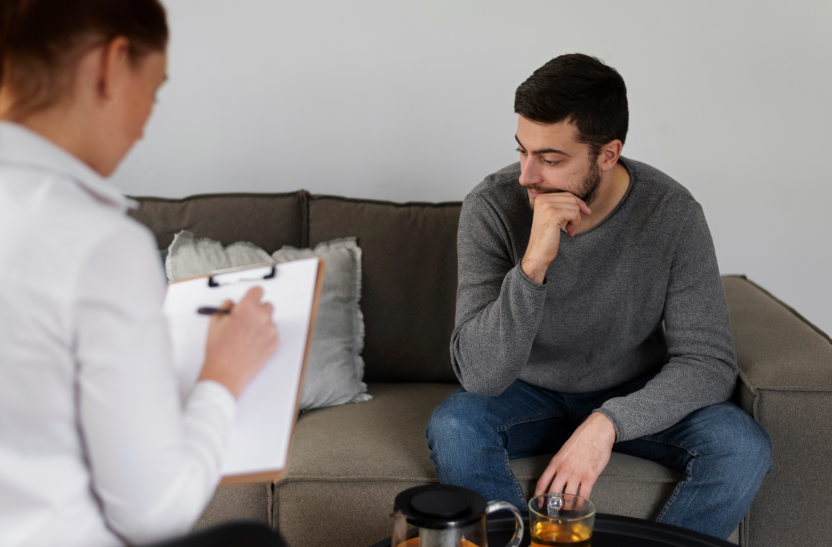
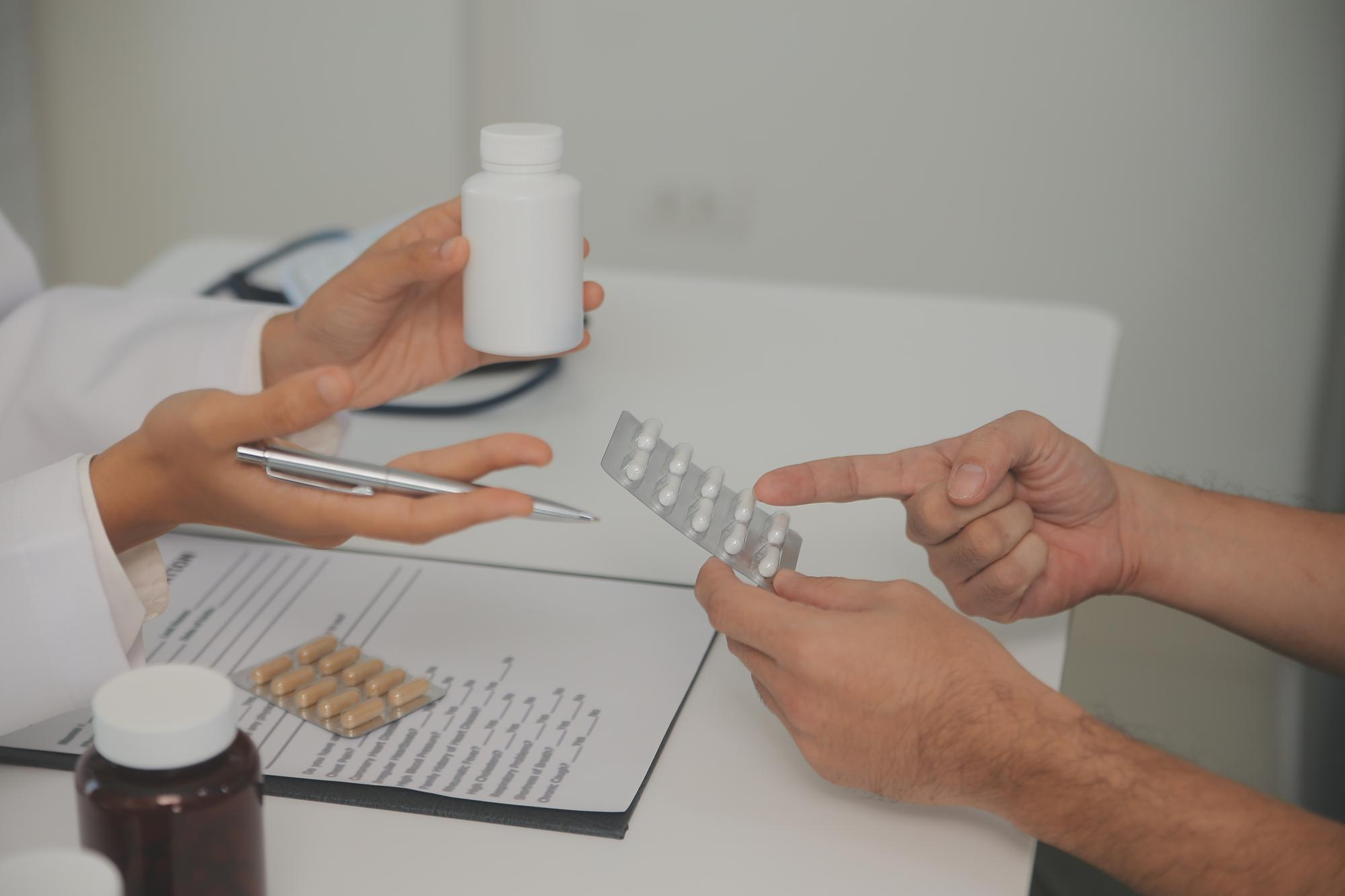
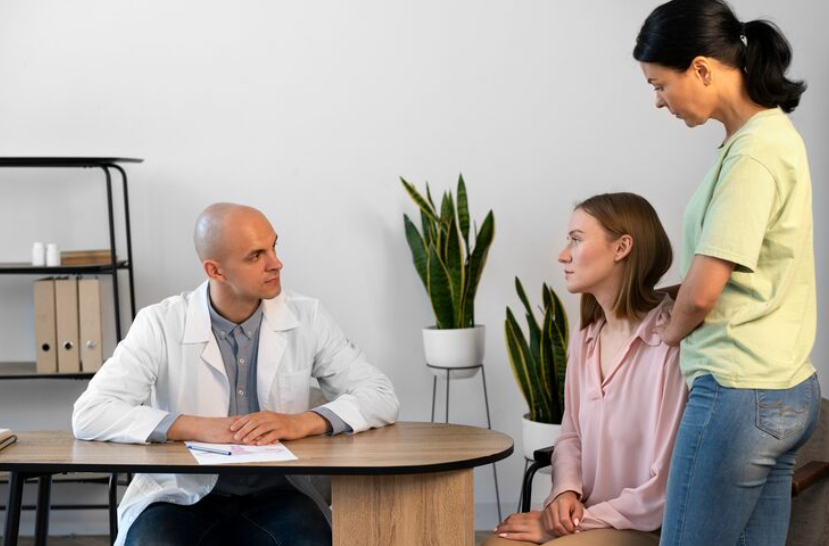
Home detox has limits. Real talk - some substances are too dangerous to detox from without medical supervision. Doctors and addiction specialists know what to watch for, how to keep you safe, and when to adjust the plan. They monitor symptoms that might seem normal but actually signal trouble brewing. They understand both the physical withdrawal and the mental game your brain's playing. A professional can teach you coping strategies that work better than just trying to tough it out. They address the reasons you started using, not just the symptoms of stopping. Working with professionals ups your odds of making it through detox safely and staying clean afterward. Sometimes home detox isn't the right call, and a professional will tell you straight up if you need a higher level of care. Listen to them.
Related Topics:








.png)

.png)
.png)







.jpg)



























.jpg)