What Is Drug Detox and How Does It Work
March 4, 2026
.png)

March 4, 2026
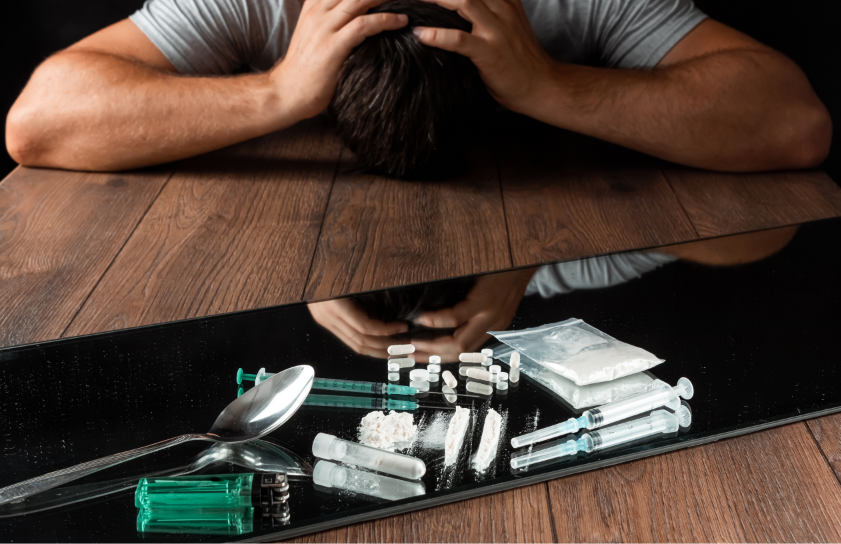
Drug detox is the period when a person stops using a substance and the body works to clear it out. Because withdrawal can be uncomfortable or risky, this stage is handled under medical supervision. Patients stay in licensed facilities where healthcare staff monitor symptoms, check vital signs, and step in if problems arise. Detox usually lasts between three and ten days, depending on the substance used, overall health, and how long the addiction has lasted, and it is often completed in a top-rated inpatient detox center focused on safety and stabilization.
Breaking free from substance dependence starts with understanding what happens during detox. Your body begins eliminating toxins immediately after stopping drug use, which triggers withdrawal symptoms as your system adjusts to functioning without chemical substances.
The timeline varies significantly. Alcohol withdrawal might peak within 24-72 hours, while opioid withdrawal can stretch over several weeks. During this period, medical staff track vital signs, assess symptom severity, and adjust treatment protocols accordingly.
What surprises many people is how much the psychological component impacts the physical experience. Anxiety, depression, and mood swings often accompany the physical discomfort, making professional support incredibly valuable during this vulnerable time.
Safety protocols at detox facilities protect patients when they're most vulnerable. Medical emergencies can develop quickly during withdrawal, so having trained staff available 24/7 reduces risks substantially.
Controlled environments eliminate access to drugs and alcohol while removing external stressors that might trigger relapse. Many facilities restrict phone access initially, allowing patients to focus entirely on stabilization without outside pressures from work, family conflicts, or dealer contacts.
The physical space itself matters too. Comfortable rooms, nutritious meals, and quiet surroundings help the body heal while reducing stress that could complicate the withdrawal process.
Withdrawal symptoms range from mild discomfort to life-threatening complications, depending on the substance and usage patterns. Alcohol and benzodiazepine withdrawal can cause seizures, while opioid withdrawal typically involves intense flu-like symptoms, insomnia, and severe cravings.
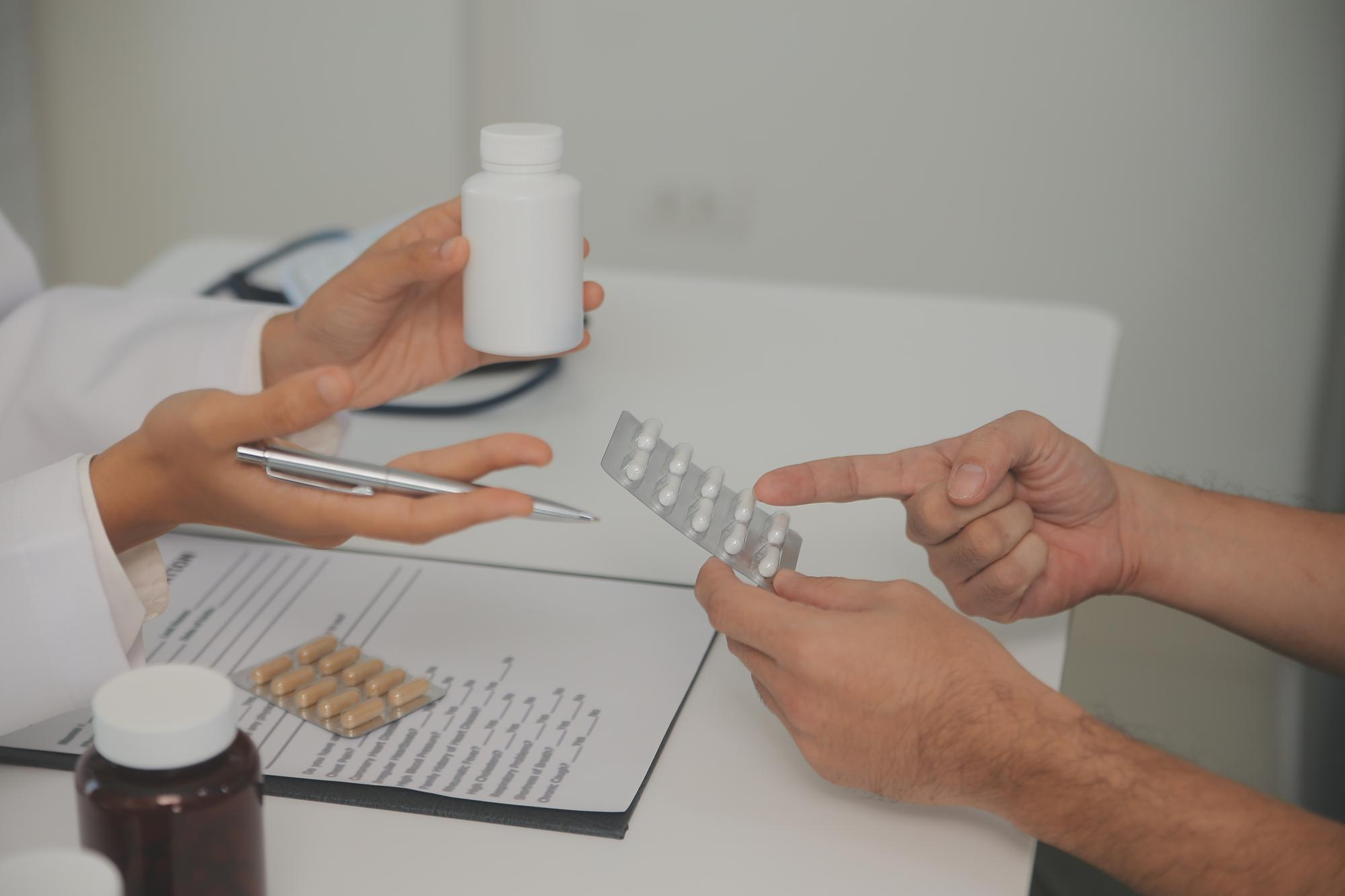
Medical teams use FDA-approved medications to reduce symptom severity. Methadone or buprenorphine helps with opioid withdrawal, while benzodiazepines may be prescribed for alcohol detox under careful supervision. These medications don't cure addiction but make the process more manageable and safer.
Non-pharmaceutical approaches complement medical treatment. Hydration therapy, vitamin supplementation, and nutritional support help restore physical health depleted by chronic drug use.
Different detox methods suit different situations and substances. Inpatient medical detox provides the highest level of care, with doctors and nurses monitoring patients continuously in hospital-like settings.
Outpatient detox works for people with mild to moderate dependence who have strong home support systems. Patients visit clinics daily for medication management and symptom monitoring while sleeping at home.
Some facilities offer luxury amenities like private rooms, gourmet meals, and spa services, though these don't necessarily improve medical outcomes. The key factor is having qualified medical professionals overseeing the process regardless of the setting.
Holistic programs integrate traditional medical care with alternative therapies like acupuncture, massage, or meditation, though these should supplement, not replace, evidence-based medical treatment.
Trained addiction specialists understand which symptoms require immediate intervention versus those that can be managed with supportive care. This expertise prevents both under-treatment and over-medication during the delicate balance of early recovery.
Nurses check on patients regularly, documenting symptom changes and medication responses. Physicians adjust treatment plans based on these assessments, sometimes multiple times per day during acute withdrawal phases.
Counselors begin introducing coping strategies even during detox, helping patients prepare mentally for the treatment phase that follows. This early intervention plants seeds for long-term recovery success.
Detox alone rarely leads to sustained sobriety. Most people need continued treatment addressing the psychological, behavioral, and social aspects of addiction after physical stabilization.
Residential treatment programs typically follow detox, providing 30-90 days of intensive therapy, education, and skill-building. Patients learn relapse prevention strategies, attend group therapy sessions, and work on underlying issues that contributed to their substance use.
Outpatient programs offer flexibility for people who need to maintain work or family responsibilities while receiving treatment. These programs vary in intensity from daily sessions to weekly check-ins.
The transition period requires careful planning. Treatment teams help coordinate housing, transportation, and insurance coverage to prevent gaps that could lead to relapse during this vulnerable time.
Success rates improve dramatically when people complete both detox and follow-up treatment compared to detox alone, highlighting why this initial step, while crucial, represents just the beginning of the recovery journey.
If you or a loved one is seeking compassionate and professional addiction treatment, Conifer Park is here to help. Reach out today to begin your journey toward recovery.
Address: 79 Glenridge Rd, Glenville, NY 12302
Main Line: (800) 989-6446
Business Hours: Sunday - Monday: 24 hours
For inquiries or to schedule a consultation, please visit our Contact Us page.
Related Topics:














.png)

.png)
.png)









.jpg)



































.jpg)