What Are the Side Effects of Stopping Alcohol After Drinking Every Day
February 14, 2026
.png)

February 14, 2026
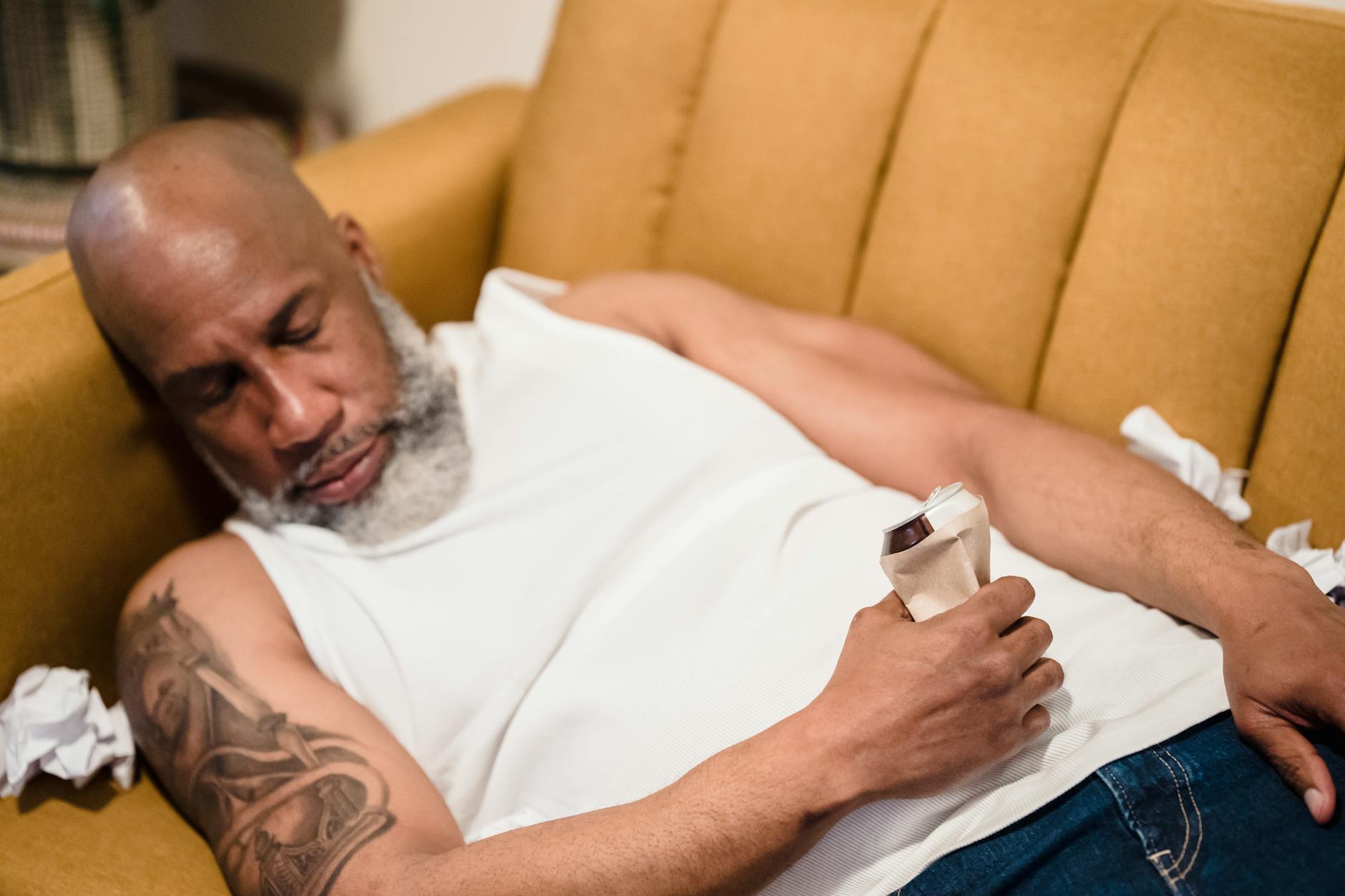
Stopping drinking every day is rough. Your body doesn't just say "okay, cool"; it reacts. Tremors, sweating, nausea, you know, the stuff that feels like the flu but worse. And your mood? All over the place. Anxiety, irritability, maybe even anger that surprises you. Some people even get hallucinations or a racing heart. It's scary if you're alone, which is why getting help from a leading alcohol rehab in New York is really worth considering.
Everyone's experience is a bit different. Some people start shaking within hours, some later. Paying attention, being honest with yourself, and getting support make a huge difference.
The body freaks out when alcohol suddenly disappears. Trembling hands, nausea, sweating, and sometimes your heart pounds for no reason. If you've been drinking heavily for a while, seizures can even happen. It's like your system needs time to reset, but it doesn't get a manual.
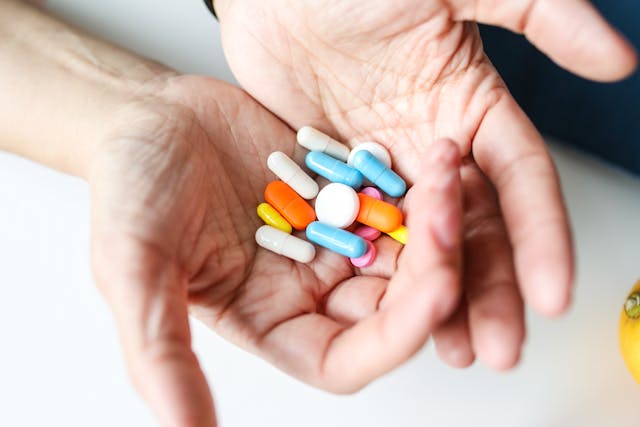
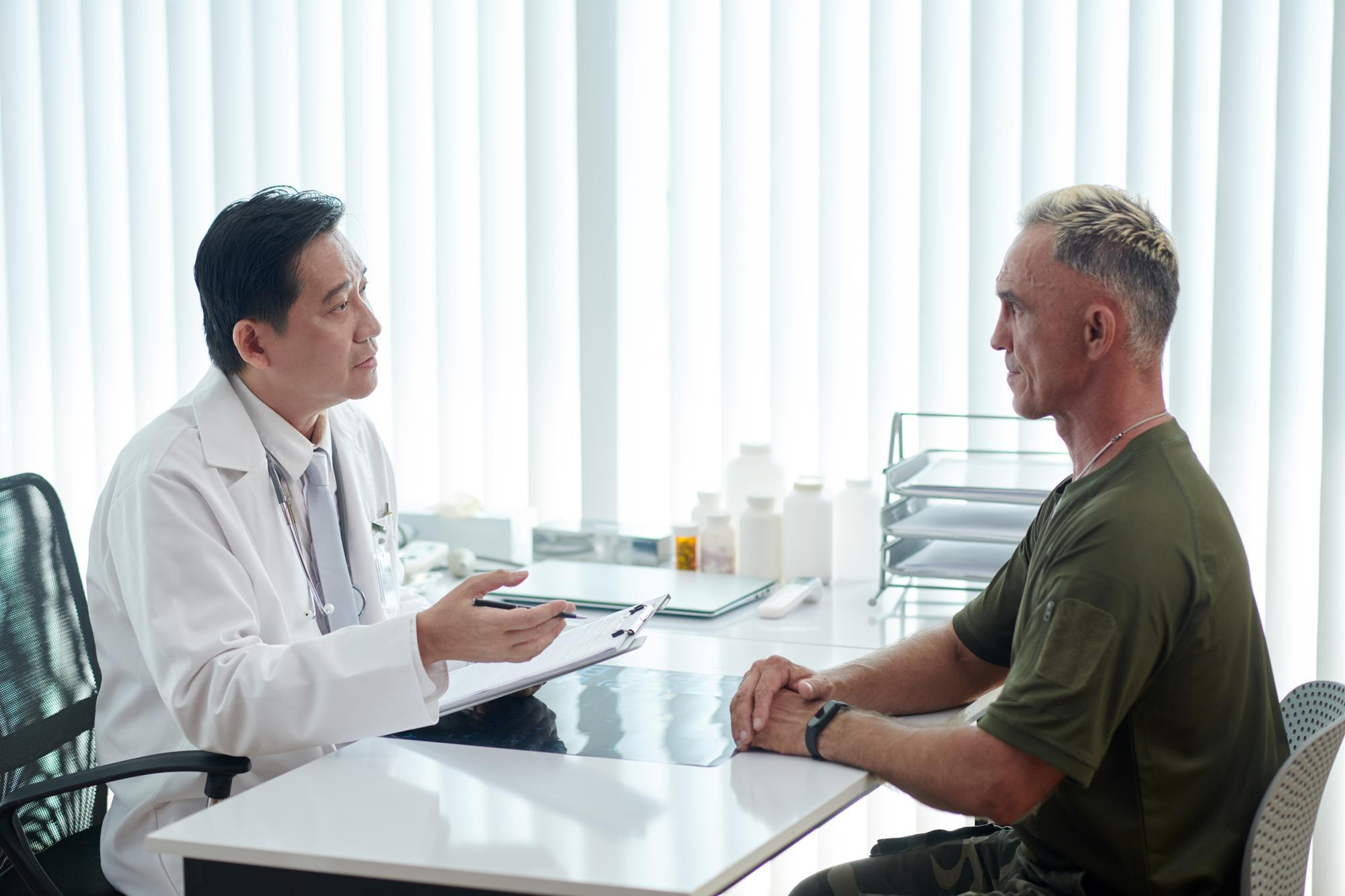
Having medical supervision isn't just about comfort. It's about avoiding serious danger. Doctors can give medication, monitor your vitals, and keep things from getting out of control. It's a lot better than trying to tough it out alone.
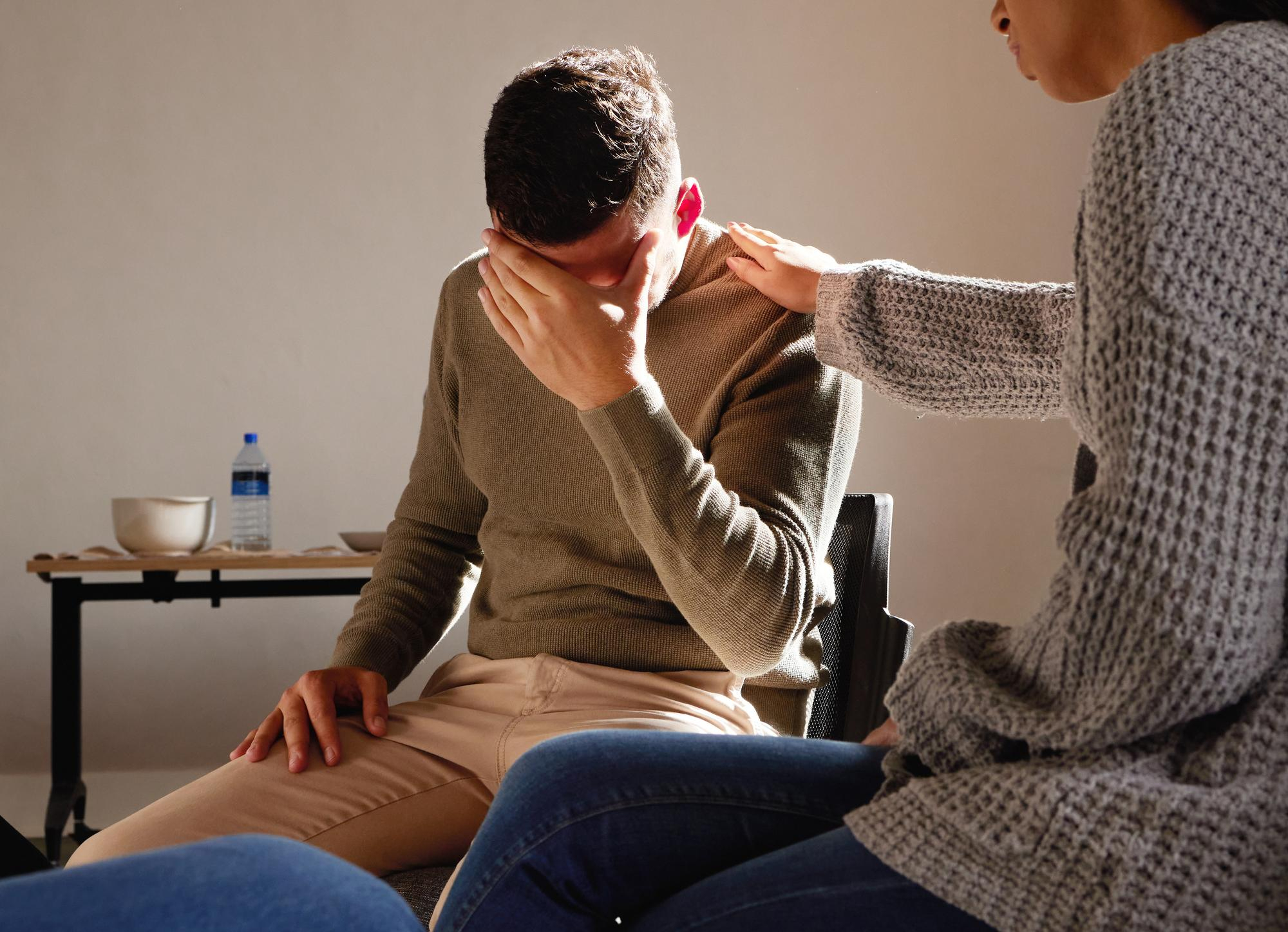
Then there's the mind. Anxiety hits, focus goes out the window, and your mood swings like crazy. You might feel low, restless, or even jittery for no reason. And honestly, that part can be almost as hard as the physical symptoms.
Talking to someone, whether a counselor, therapist, or someone who's been there, helps. Even just knowing that these reactions are normal can take some weight off your shoulders. It's like, yeah, my brain is rebelling, but it's normal, and I can handle it.
Stopping cold turkey isn't just uncomfortable for heavy drinkers; it can be dangerous. Delirium tremens, or DTs, is a real thing. People can hallucinate, tremble violently, or get really confused. Seizures aren't uncommon either, and in extreme cases, they can be life-threatening.
That's why medical monitoring matters. You need someone who knows what to do if things go sideways, and having that safety net makes the whole process way safer.
Seizures can pop up within a few hours or days after the last drink. If someone's had them before, the risk goes up. Basically, your nervous system is hyperactive without alcohol's depressant effects.
Medical help is key here. Even a mild seizure can be terrifying, and serious ones are dangerous. Knowing the risk and having help around is just common sense.
DTs usually hit people who've been drinking heavily for a long stretch. It's confusing and scary and can include hallucinations, tremors, and even seizures. Without help, it can be fatal.
Hospitals can manage this with meds, monitoring, and support. If symptoms start, acting fast is the safest move; there's really no room for "maybe it will pass".
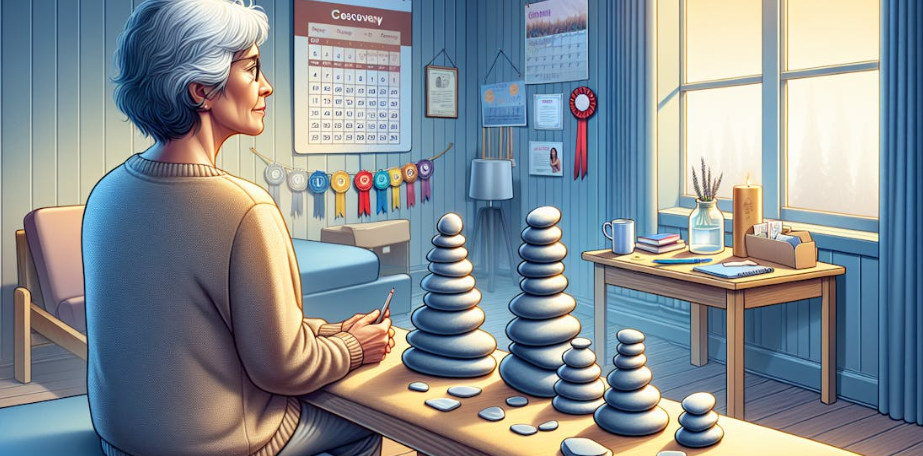
After withdrawal, recovery isn't done; it's ongoing. Building routines, having support, finding hobbies, and practicing self-care all make a difference. Little wins matter, and understanding triggers helps a lot.
It's a process, and sometimes it feels slow, but keeping goals realistic and celebrating progress helps people stay on track. Sobriety isn't just surviving the first few days; it's sticking with it for months and years.
Related Topics:









.jpg)























.jpg)














.jpg)