What Are the Most Common Therapies Used in Rehab in Glenville, NY?
September 27, 2026
.png)

September 27, 2026
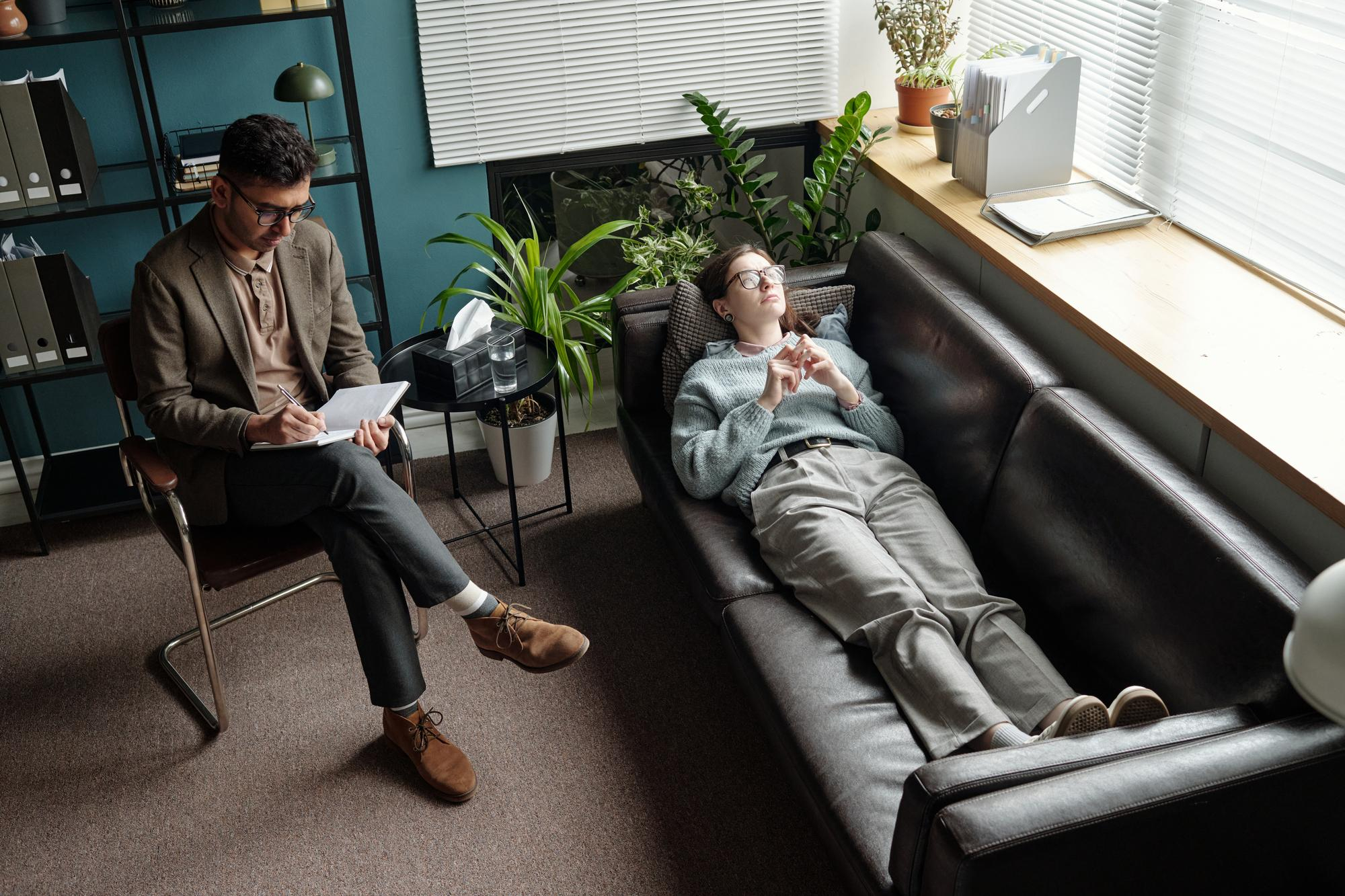
Six approaches make up most of what happens in a week of treatment at our Glenville campus, and honestly, that's kind of the point of being a leading addiction treatment center in New York.
Cognitive behavioral therapy, dialectical behavior therapy, motivational interviewing, 12-step facilitation, family therapy, and trauma-related counseling. Anger management, relapse prevention work, psychoeducational classes, and nutritional coaching sit alongside those too.
Nobody gets all of them, though. Most people receive several, put together around their own history rather than some standard template everyone follows.
CBT works on the link between what a person thinks, how they feel, and what they do next. A counselor and patient take a specific situation, find the thought that showed up in it, test whether that thought actually held up, and build a different response for next time. It's a bit like taking apart a habit to see what's really driving it.
It's the approach we use most, across inpatient rehabilitation and outpatient care alike, partly because it gives people something concrete to practice rather than just a theory to nod along to.
DBT grew out of CBT, but it puts more weight on managing intense emotion. For someone whose substance use is bound up with anger, shame, or anxiety, it offers a set of skills for staying with a feeling instead of escaping it chemically, which is easier said than done, sure, but that's the goal.
In our program, it usually runs as skills groups, where people practice techniques together. If you're curious what a typical day in rehab looks like, this is often part of it, alongside individual sessions that apply those skills to a person's actual life.
Very few people walk into intake completely certain they want to stop, and that's normal. Ambivalence is the normal state here, not some red flag.
Motivational interviewing works with that instead of against it. The counselor asks open questions and reflects back what they hear, so a person arrives at their own reasons rather than getting argued into someone else's.
Pushing too hard at this stage usually just produces compliance that lasts about as long as the conversation does. Meeting someone where they actually are tends to build the kind of trust the rest of treatment depends on.

AA and NA outlast any treatment program, and for a lot of people, that peer structure ends up being the part of recovery that actually holds. 12 Step facilitation introduces the framework while someone is still with us, so it feels familiar rather than foreign once they're home.
It's one of the bigger pieces of how rehab centers prevent relapse long after discharge. It sits alongside clinical therapy, not instead of it.
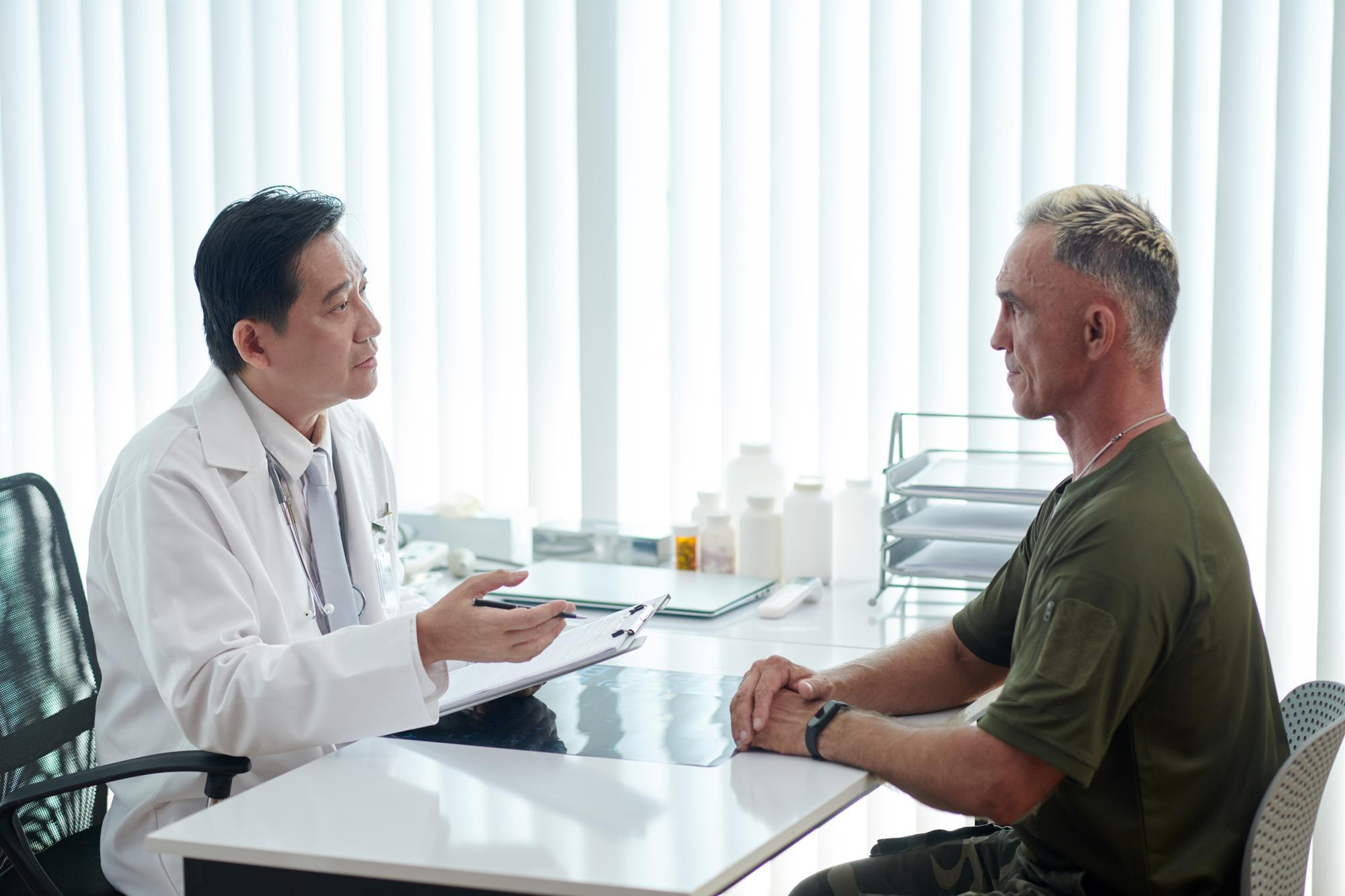
Substance use disorder rarely affects only the person using it. Family therapy gives everyone a structured space to talk, with a counselor keeping the conversation useful instead of letting it slide into blame.
This matters most heading into aftercare, when someone goes back to the same household and the same relationships. Working through some of it before discharge day tends to make that return a bit easier.
If you're already picturing that first conversation, give our admissions team a call at (800) 926-6433. We'll walk through what treatment involves and what your insurance covers before anyone commits to anything, no pressure and no obligation.
For a number of the people we work with, past trauma is part of what's driving the substance use, and that's worth naming plainly. Trauma-related counseling gives space to work through that at a deliberate pace, since moving too fast into difficult material tends to set people back rather than help them.
It runs alongside the rest of the plan, not as some separate track off to the side.
A single week might include individual CBT sessions, a DBT skills group, a family session, and a 12-step meeting, all coordinated by the same case manager. That's what having one organization handle detox through aftercare actually looks like in practice, rather than five appointments booked across four different offices.
The mix shifts as a person's needs shift, and that's kind of the whole point. Someone in dual diagnosis care may lean more on trauma-related counseling and psychiatric support. Someone stepping down to outpatient care may focus more on relapse prevention skills instead.
We accept New York State Medicaid and most major commercial plans, with self-pay agreements based on need. Free transportation is available from anywhere in New York State for inpatient and detox admissions, arranged after intake.
Conifer Park operates fully confidential addiction treatment programs under federal 42 CFR Part 2 regulations. This means the facility can't confirm or deny anyone's participation in its programs without that person's written consent.
Do I get to choose which therapies I receive?
Your treatment team builds the plan around your history and your needs, and you're part of that conversation from intake onward. It's not really a menu you order from, but it's not fixed either. The mix can change as treatment goes on, as your team learns more about what's actually working for you.
Is family therapy required?
It's offered and encouraged, though every family situation is different, and honestly, some just aren't a good fit for it. Your case manager can talk through what makes sense for your circumstances, including whether family involvement should happen at all and what form it might take if it does.
Are these therapies available at every level of care?
Many of them show up across detox, inpatient rehabilitation, and outpatient treatment, with the format and intensity changing depending on where a person is. An outpatient schedule is less intensive than a residential one, so the same approach gets delivered a bit differently.
How soon after admission does therapy start?
Detox comes first when it's needed, since structured therapy is tough to do during acute withdrawal. Once someone is medically stable, therapy becomes the main part of the day. Your case manager sets the schedule and reviews it as treatment progresses.
Reading through all of this is one thing, but actually talking it through with a person is usually where it starts to feel real. If you're not sure which of these therapies fits your situation, or you're just not sure where to begin at all, that's exactly what the admissions team is there for.
Call (800) 926-6433. The admissions line is answered 24 hours a day, calls are confidential, and there's no pressure and no obligation. You can also contact us if a call isn't the easiest option right now.
Related Topics:









.jpg)


























.jpg)
















.jpg)