The Difference Between a Slip and a Full Relapse in Troy, NY
September 22, 2026
.png)

September 22, 2026
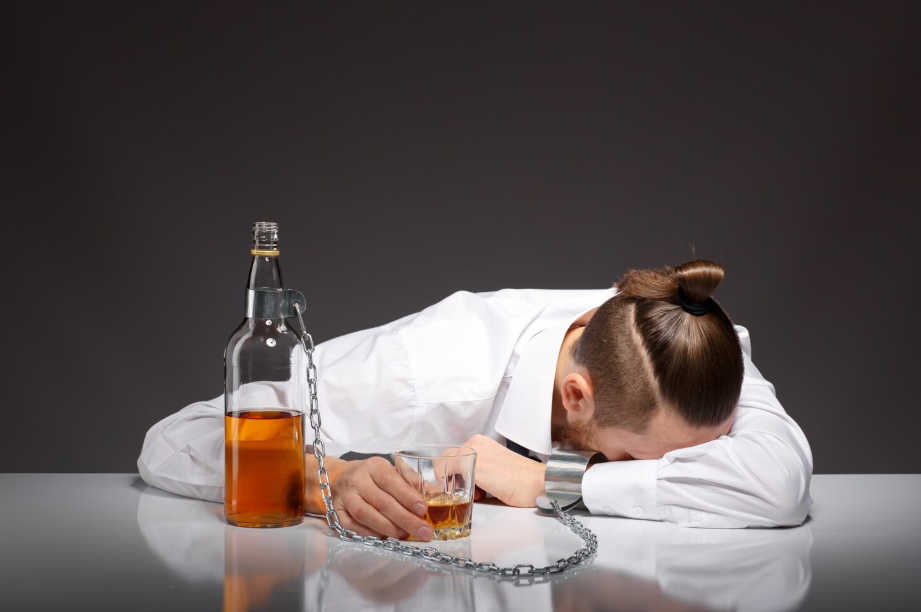
The two are not the same event, and treating them as one is what turns the smaller of them into the larger. A slip is one instance, often a single evening, with the commitment to recovery still intact underneath it. A full relapse is a return to the substance use disorder itself, and by the time it is established the skills built in treatment have usually stopped working. Conifer Park's outpatient rehab clinic on 6th Avenue works through both in individual counseling and group programming, and has treated substance use disorder in New York since 1983. What matters most in the hours afterward is getting an accurate read on which one has happened, which is difficult to do alone and straightforward to do with a clinician.
A slip is a single instance of use after a period of abstinence. It tends to be brief, tied to a specific trigger or a moment of pressure, and the person usually pulls back from it fairly quickly. The pattern of regular use has not re-established itself, and the commitment to recovery is still there.
None of that makes a slip harmless. It is a signal that something in the current plan did not hold under real pressure, and that gap is worth finding. The right response is an immediate adjustment rather than a verdict on whether recovery has failed, which means working out what happened and closing the gap before the next time that trigger appears.
A full relapse means returning to substance use at a level and frequency resembling the pattern before treatment began. It is not a single night. It is a return to the disorder itself, and it usually shows up across health, relationships, work and daily functioning at the same time.
A full relapse also involves a breakdown in the skills built during treatment. Triggers that were being managed start to feel overwhelming, strategies that used to work stop working, and the person often disconnects from clinical support altogether, which is frequently the first visible sign to anyone around them. Clinically, that picture usually means one of two things: the level of care was not sufficient for the situation, or the move away from structured treatment happened before the person was ready for it.
Treating a slip with the full weight of a relapse can increase the chance of it becoming one. There is a well-documented pattern in addiction treatment called the abstinence violation effect, where someone who has slipped concludes they have already ruined it and continues using. That all-or-nothing conclusion is precisely what relapse prevention programming works to interrupt.
The opposite error causes its own damage. When a full relapse is minimized as a minor setback, the clinical response stays calibrated to a lower level of risk than the situation actually carries, and the person does not get the support they need. Both errors are easy to make from inside the situation, which is why an honest assessment usually means involving a clinical team rather than relying on personal judgment in a difficult moment.
If you are unsure which one you are dealing with, that is reason enough to call your treatment team. Reading it accurately is part of their job and not something you need to resolve before getting in touch.
The most useful thing anyone can do after a slip is contact their treatment team. That is not reporting a failure, and it does not trigger a punitive process. It is getting clinical support at the exact point where the risk of the slip growing into something larger is at its highest.
At our Troy clinic, a slip gets worked through in individual counseling and in group programming, and the work is specific:
This is clinical problem-solving. Something in the plan did not work, and knowing how to bounce back after a relapse starts with finding out what.
Both regular outpatient and our IOP are built on the understanding that setbacks happen during recovery. Relapse prevention programming, individual counseling and group therapy address this directly rather than treating it as an unexpected event, and clients are told from the start what to do when it occurs.
Outpatient treatment also provides a route to a higher level of care when the clinical picture calls for one. If a slip becomes a full relapse, or if a pattern shows the current program is not providing enough support, the step up happens inside the same organization. Clients needing inpatient detoxification or inpatient rehabilitation transfer to our Glenville campus without starting over and without re-explaining their history to a new clinical team.
No. A slip is a single instance, not a reset. What it calls for is an adjustment to the prevention plan, and treating it as a total failure tends to make continued use more likely rather than less.
Yes, and as soon as possible. The window right after a slip is when clinical support makes the most difference, and the conversation is about closing a gap in the plan rather than facing consequences.
A higher level of care is available at our Glenville campus, and the transfer happens within the same organization with the same records, so intake does not restart.
Yes. A relapse is a clinical event, and returning to treatment is the appropriate response to it. The assessment establishes which level of care fits the current situation.
If you or someone close to you is dealing with this right now, anywhere in Troy, Rensselaer County or the wider Capital Region, our team can help you work out which level of support fits. Walk in during clinic hours, or call and a clinician will usually see you within 24 hours.
Conifer Park, Outpatient Treatment Center, Troy
Address: 2431 6th Ave, Troy, NY 12180
Phone: (518) 274-5143
Intake: (800) 926-6433
Hours: Monday to Friday, 8:00 AM to 6:00 PM. Saturday, 8:30 to 11:00 AM.








.png)
.png)
.png)









.jpg)




































.jpg)