Substance-Specific Treatment Protocols Used in Glenville, NY Rehab Centers
April 22, 2026
.png)

April 22, 2026
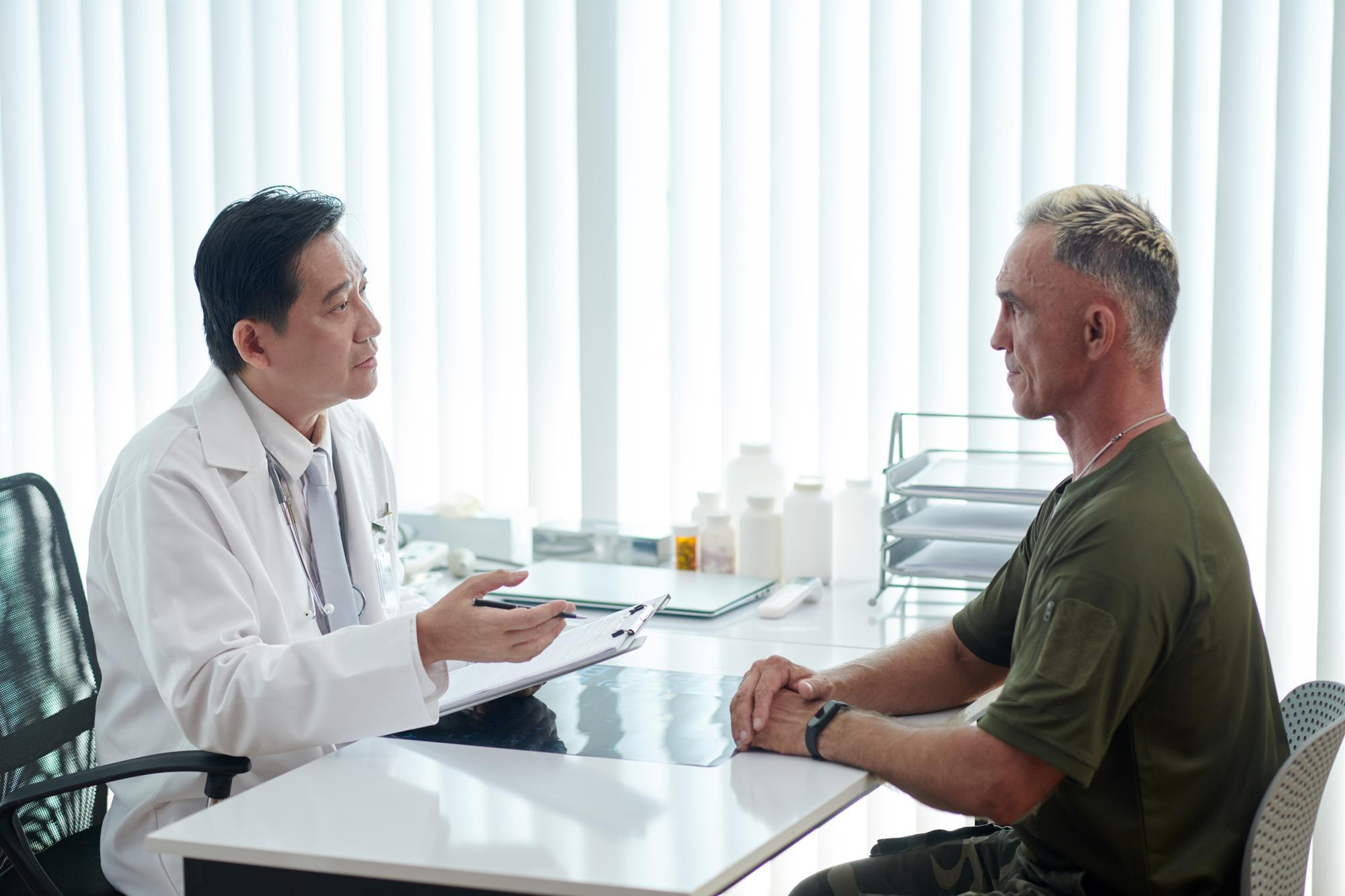
Addiction treatment works best when the clinical plan matches the substance involved, the severity of dependence, and the person’s overall health. Professional rehab guidance matters here because alcohol, opioids, stimulants, and benzodiazepines do not affect the body in the same way and do not require the same response. A treatment plan that fits one patient may not be safe or effective for another. That is why care at our Glenville inpatient campus is shaped around the full clinical picture from the start.
Alcohol withdrawal can be medically dangerous, especially for people with moderate to severe dependence. In some cases, withdrawal can lead to seizures, delirium tremens, and other serious complications that need immediate medical attention. That is why patients entering detox for alcohol dependence are monitored closely during the withdrawal phase. Detox is not considered complete until the person is medically stable.
After detox, treatment shifts toward relapse prevention, counseling, and the work of understanding what supports continued drinking. Behavioral therapy helps patients identify triggers, routines, and stressors tied to alcohol use. For some patients, medication-assisted treatment with Vivitrol may also be part of the plan to help reduce cravings. Depression and anxiety are also common in this group, so dual diagnosis care is often part of treatment.
Opioid withdrawal is often intense enough to push people out of treatment if they do not have enough support. Patients dependent on heroin, fentanyl, prescription pain medication, or other opioids usually need close monitoring during detox, along with medication support. The goal is to make withdrawal safer and more manageable so the person can stay engaged in treatment. Stabilization is often the first big step.
We offer buprenorphine, methadone induction, and Vivitrol when clinically appropriate. Buprenorphine can help reduce withdrawal symptoms and cravings during detox and may continue into longer-term treatment. Methadone may be used for patients who are appropriate candidates and need more stabilization. Vivitrol is usually started after detox once the patient is opioid-free and ready for that phase of care.
Once detox is complete, inpatient rehab focuses on craving management, relapse prevention, trauma, and building a support system strong enough to hold up after discharge. Opioid use disorder often requires continued planning beyond inpatient care, so medication support and aftercare are built into the discharge plan as needed. The work does not stop once withdrawal ends. That is when deeper recovery work begins.
Stimulant withdrawal is different from alcohol or opioid withdrawal because it usually does not carry the same level of physical danger. The harder part is often the mental and emotional crash that follows use. Patients may come in exhausted, depressed, numb, irritable, or overwhelmed by cravings. Those symptoms can make treatment hard in the first days if they are not addressed carefully.
Because there are no FDA-approved medications made specifically for stimulant use disorder, treatment relies heavily on behavioral care. Therapy focuses on the thought patterns, situations, and emotional triggers that keep the cycle going. Patients work on practical ways to manage cravings, rebuild routine, and respond differently to stress. Mood disorders are also common in this group, so psychiatric support may be an important part of care.
Benzodiazepine withdrawal needs close medical supervision because it can become dangerous without proper management. Like alcohol withdrawal, it may lead to seizures and other serious complications if someone stops too quickly. For that reason, detox usually involves a medically supervised taper instead of abrupt discontinuation. The pace of that taper depends on the medication, the dose, and how long the person has been using it.
At our Glenville inpatient campus, the clinical team monitors patients throughout this process and adjusts care based on each person's response. Some patients need a longer detox period than others. That decision is based on safety, not speed. Once the person is stable, treatment can begin focusing on the reasons the dependence developed and what support is needed moving forward.
Many patients are not using only one substance. Alcohol and opioids, stimulants and benzodiazepines, or other combinations are common, and those cases require more careful planning. Withdrawal, medication decisions, and therapy all become more complex when more than one substance is involved. The care plan must reflect the full pattern of use rather than focusing on a single drug.
This is why intake and assessment matter so much. The clinical team needs a complete history to build a safe detox plan and a treatment approach that makes sense. Polysubstance use can also bring a more complicated relapse pattern, which means aftercare often needs added structure. A clear picture at the start helps the team avoid missing something important later.
Across every substance category, mental health can change how treatment needs to be approached. PTSD, depression, anxiety, and bipolar disorder are common in people entering rehab, and those conditions can affect both substance use and recovery. If they are not identified, the treatment plan may leave out one of the main reasons the person keeps returning to use. That can weaken progress even when detox goes well.
Every patient at our Glenville campus is assessed for co-occurring conditions. When mental health concerns are present, our on-site psychiatrists and psychiatric nurse practitioners build dual diagnosis treatment into the plan from the beginning. That way, addiction and mental health are treated together instead of being separated into different tracks. For many patients, that makes treatment more useful and more realistic.
If you or someone close to you is dealing with dependence on any of the substances above, the best first step is a full clinical assessment. Call our intake team at (800) 926-6433, available 24 hours a day, 7 days a week. We are OASAS-licensed and have operated in New York since 1983. Medicaid is accepted, along with most major insurance plans, and transportation to our inpatient campus is available for patients who need it.
Related Topics:














.png)

.png)
.png)









.jpg)


































.jpg)