The Intake and Assessment Process at Glenville, NY Rehab Centers
October 2, 2026
.png)

October 2, 2026
A lot of people wait to call because they are not sure what will happen once the conversation starts. That uncertainty can feel even heavier when someone is already in a bad place or trying to help a family member who is struggling. A thorough rehabilitation assessment is meant to bring some clarity to that moment. It gives the care team a way to understand what is going on and helps you understand what the next step may be.
The process starts with a call to our intake line at (800) 926-6433. The line is open 24 hours a day, 7 days a week, and the call can come from you or from someone calling on your behalf. Families often make the first call when they are trying to understand the options before their loved one is ready. That is a normal part of the process.
The call is not a commitment to treatment. It is a conversation with someone trained to ask practical questions without making the situation feel harder than it already does. The intake team will ask about substance use, past treatment, basic medical concerns, and possible withdrawal risk. They can also check insurance or Medicaid coverage and explain what kind of care may fit based on what you share.
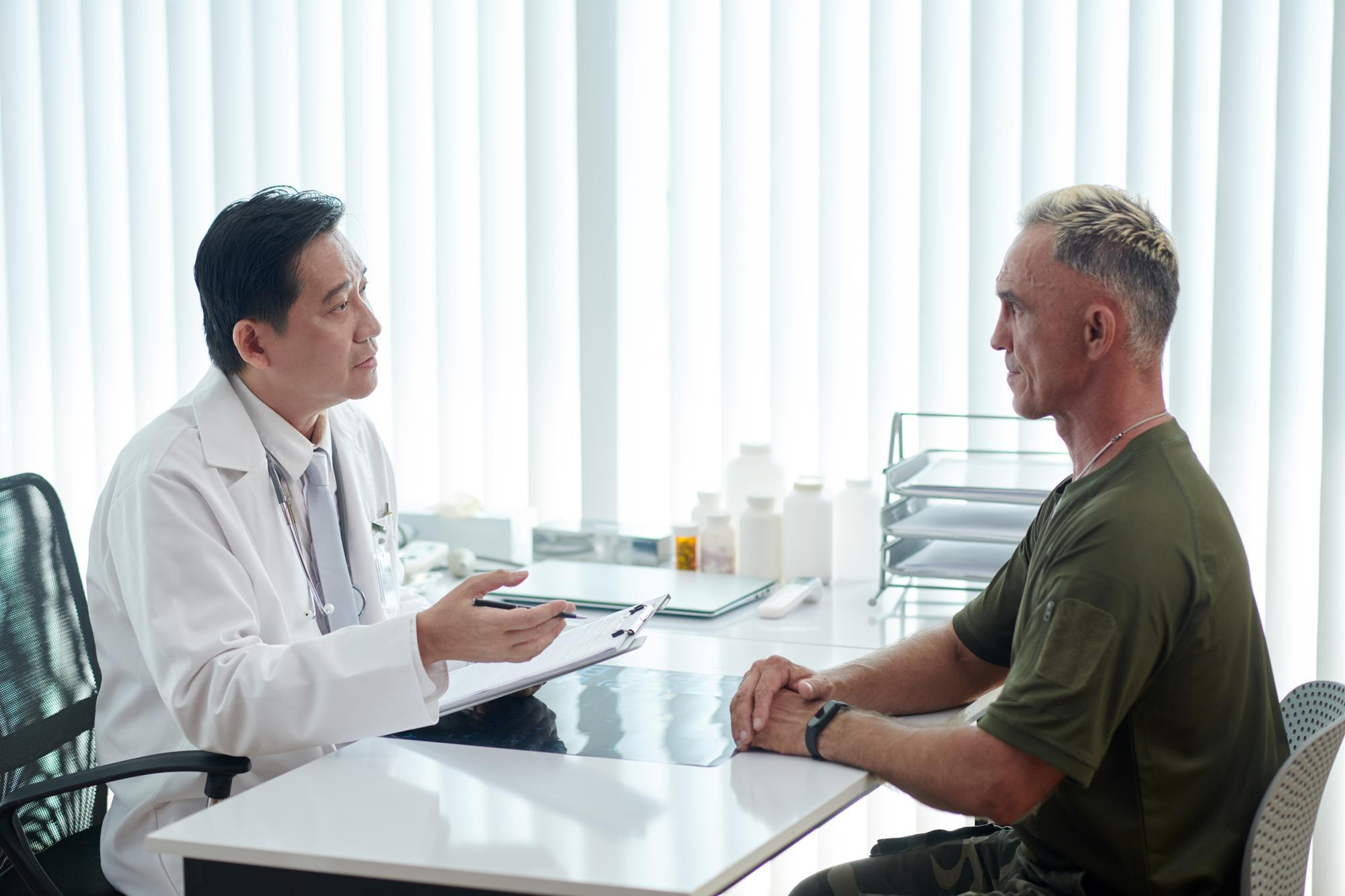
If you come to our Glenville campus, the next step is a full clinical assessment with a licensed clinician. This part goes deeper than the first phone call. It covers substance use history, medical concerns, mental health symptoms, prior treatment, and the way daily life has been affected. The goal is to get a real picture of the situation, not just a few quick answers.
The assessment usually takes about one to two hours. It is done in private, and what you share is protected by confidentiality laws. That privacy matters because people need room to answer honestly. The more accurate the assessment is, the easier it is to recommend the right kind of care. Some assessments serve a specific purpose. If you were referred after an impaired-driving charge, a DWI evaluation in Troy, NY is handled at our Troy outpatient center, with evening and Saturday appointments.
Once the assessment is complete, the care team decides on the level of care that makes the most sense. Some people need medically supervised detox first because withdrawal from alcohol, opioids, or benzodiazepines can carry serious risks. Others may be able to move directly into inpatient rehabilitation. Some may not need a residential stay at all and may be better suited for outpatient care.
This decision is based on the full picture, not just on the substance involved. Physical dependence, mental health, home stability, past treatment, and medical history all matter. Starting at the right level of care can make treatment safer and more effective. That is why this part of the intake matters so much.
Every patient admitted to our inpatient program receives a psychiatric screening early in the stay. This helps identify depression, anxiety, PTSD, bipolar disorder, and other conditions that often show up alongside substance use. These issues are common, and they can affect how someone responds to treatment. If they are missed, the care plan may leave out an important part of the problem.
When a co-occurring condition is found, it becomes part of treatment from the start. Our on-site psychiatrists and psychiatric nurse practitioners help shape that part of the plan. This is a standard part of inpatient care at our campus. Treating mental health and substance use together usually gives people a stronger chance at steady progress.
Within the first few days of admission, the clinical team creates a written care plan based on information gathered during intake and screening. That plan outlines treatment goals, therapy approaches, medication needs (if any), and what progress will guide the next stage of care. It also begins looking ahead to aftercare. The plan is built around the patient, not around a preset template.
Each patient is assigned a dedicated Addiction Specialist who follows the plan from admission through discharge. That specialist meets with the patient weekly for individual sessions and helps maintain treatment focus and consistency. Having one person help guide the full process can make treatment feel steadier. It also provides the patient with a clear point of contact throughout the stay.
If you are coming to the Glenville campus, bring a photo ID, your insurance card or Medicaid ID, and a list of current medications if you have one. Bringing medications in their original containers can also help. Medical or psychiatric records are useful if they are readily available, but they are not required to begin the process. The intake team can explain what matters most for your situation.
No one is expected to arrive with everything perfectly organized. People often come in during stressful and urgent moments. The staff understands that. The important thing is getting the process started with the information you do have.
We accept Medicaid and most major insurances, including Healthfirst, Excellus, Fidelis, MetroPlus Health, and MVP Healthcare. Insurance verification is part of intake, so you can ask about coverage before admission is finalized. If you are not sure whether your plan applies, call (800) 926-6433, and the team can check for you. That can answer many questions early.
Transportation to our Glenville inpatient campus is available for patients who need it. This can be arranged during the intake call. For many people, the hardest part is making that first call. Once that happens, the process usually feels much more manageable
Related Topics:















.png)

.png)
.png)








.jpg)





































.jpg)