The Benefits of Integrating Therapy and Support Groups During Rehab in Glenville, NY
May 12, 2026
.png)

May 12, 2026
Addiction treatment involves more than clearing a substance from the body. The behavioral patterns, emotional triggers, unresolved trauma, and relational damage that surround addiction do not resolve on their own once the physical dependence is addressed. That is what therapy and support groups are for, and why their integration into a structured rehab program makes a measurable difference in long-term outcomes.
At rehab centers in Glenville, NY, therapy and group-based programming are not optional add-ons. They are central components of the daily treatment structure. This article explains how each works, why their combination matters, and how specialized rehab therapy ensures patients receive comprehensive, effective care.
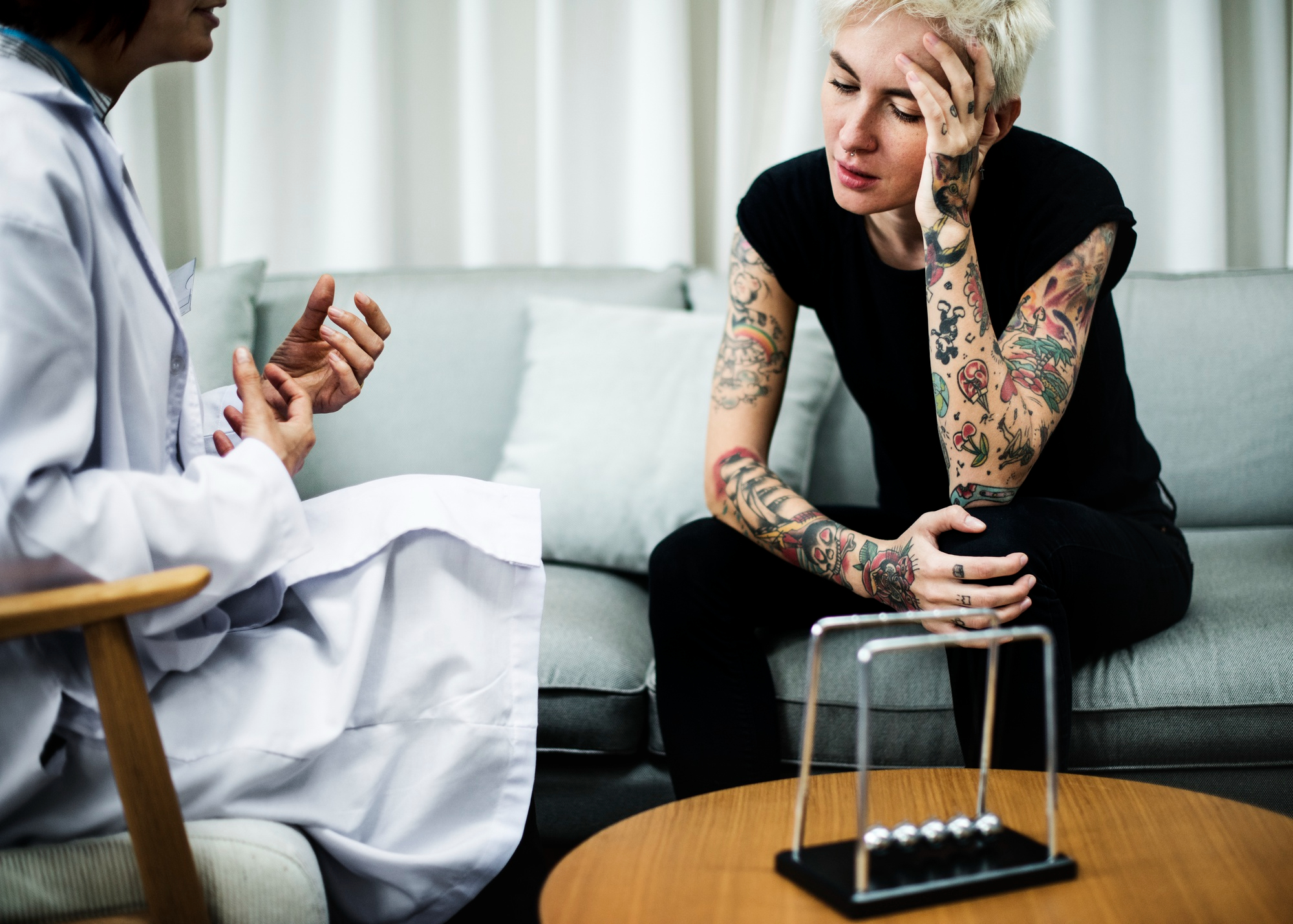
Individual therapy in addiction treatment in Troy NY gives patients a dedicated, private space to work through the personal history that underlies their substance use. Sessions with an Addiction Specialist or licensed therapist cover topics that are too personal or complex to address in a group setting, including trauma, shame, relationship dynamics, mental health history, and the specific triggers that drive the pattern of use.
The individualized care plan developed at admission guides these sessions, but the direction of the work evolves as treatment progresses. Early sessions often focus on stabilization and assessment. By mid-treatment, the focus typically shifts to deeper behavioral and emotional work. In the final weeks, sessions often center on relapse prevention planning and preparing for the transition out of inpatient care.
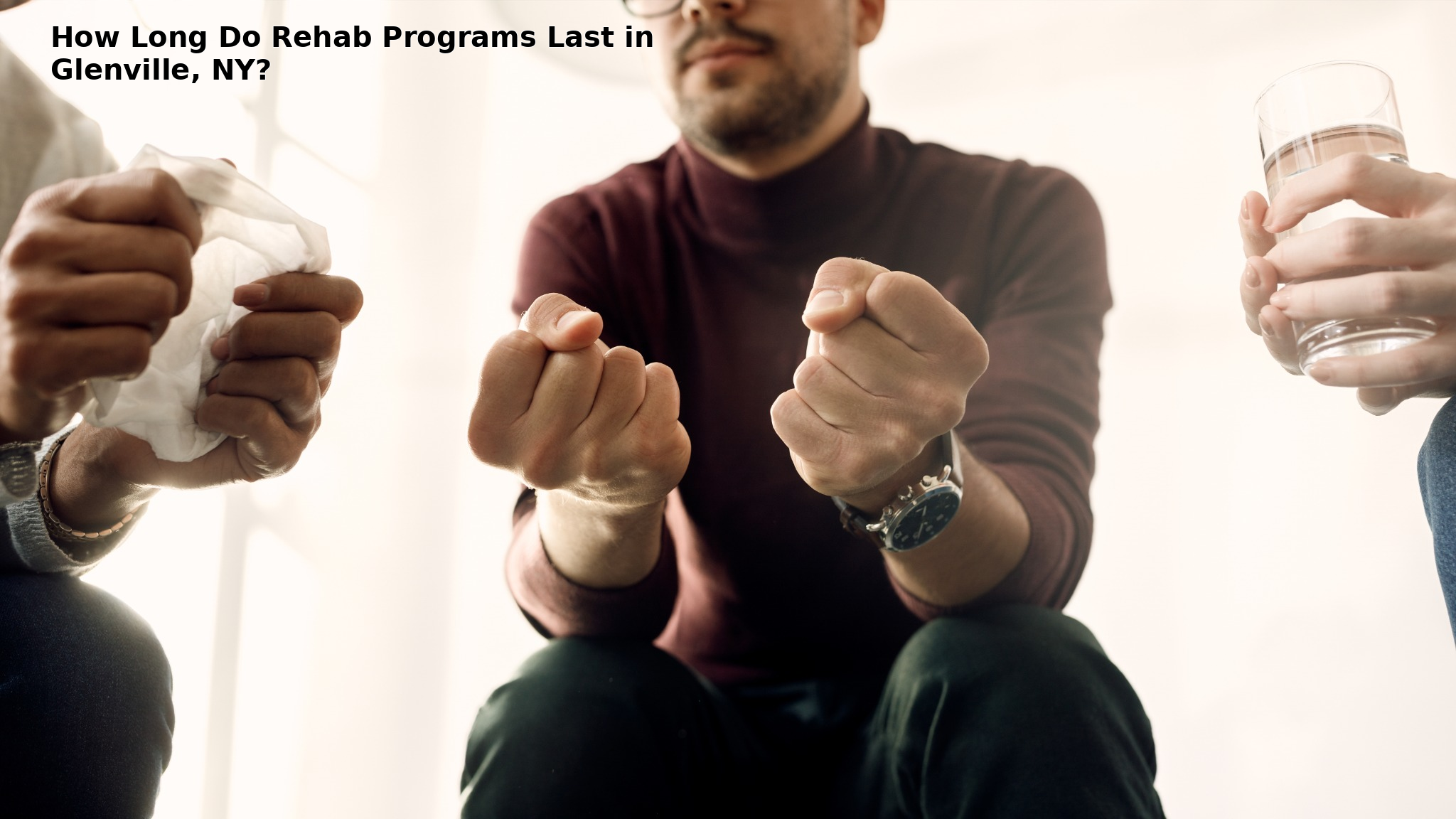
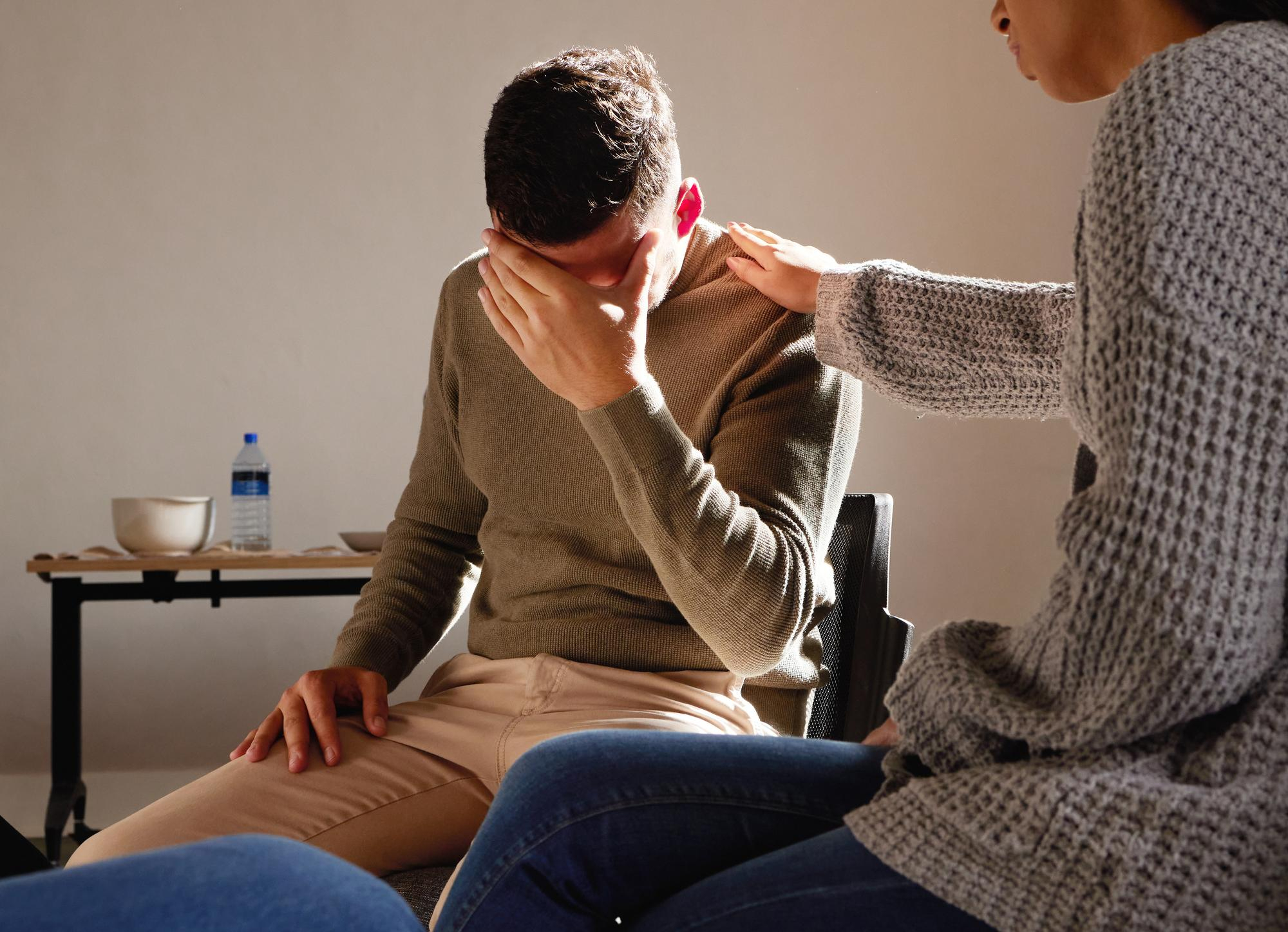
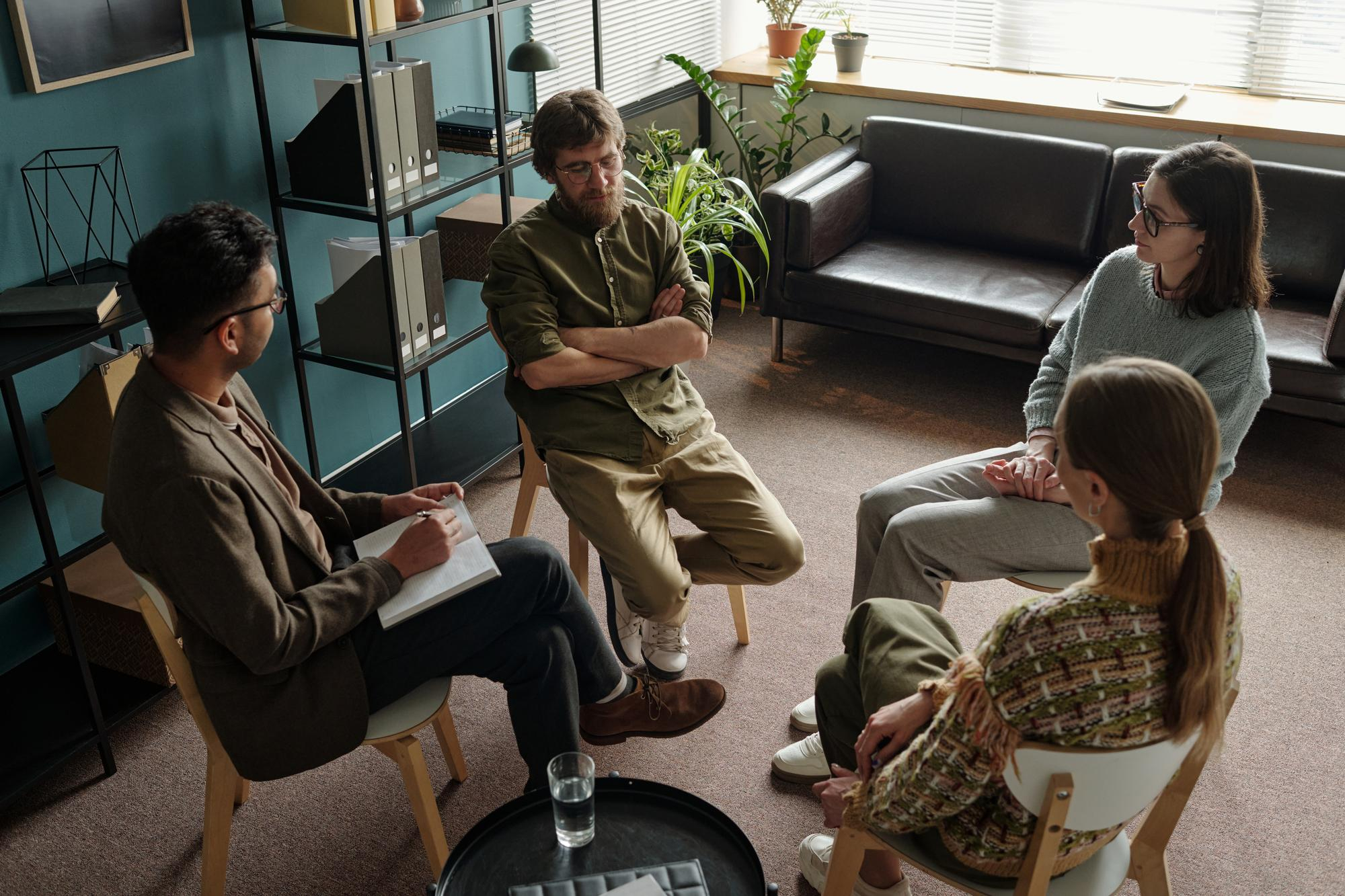
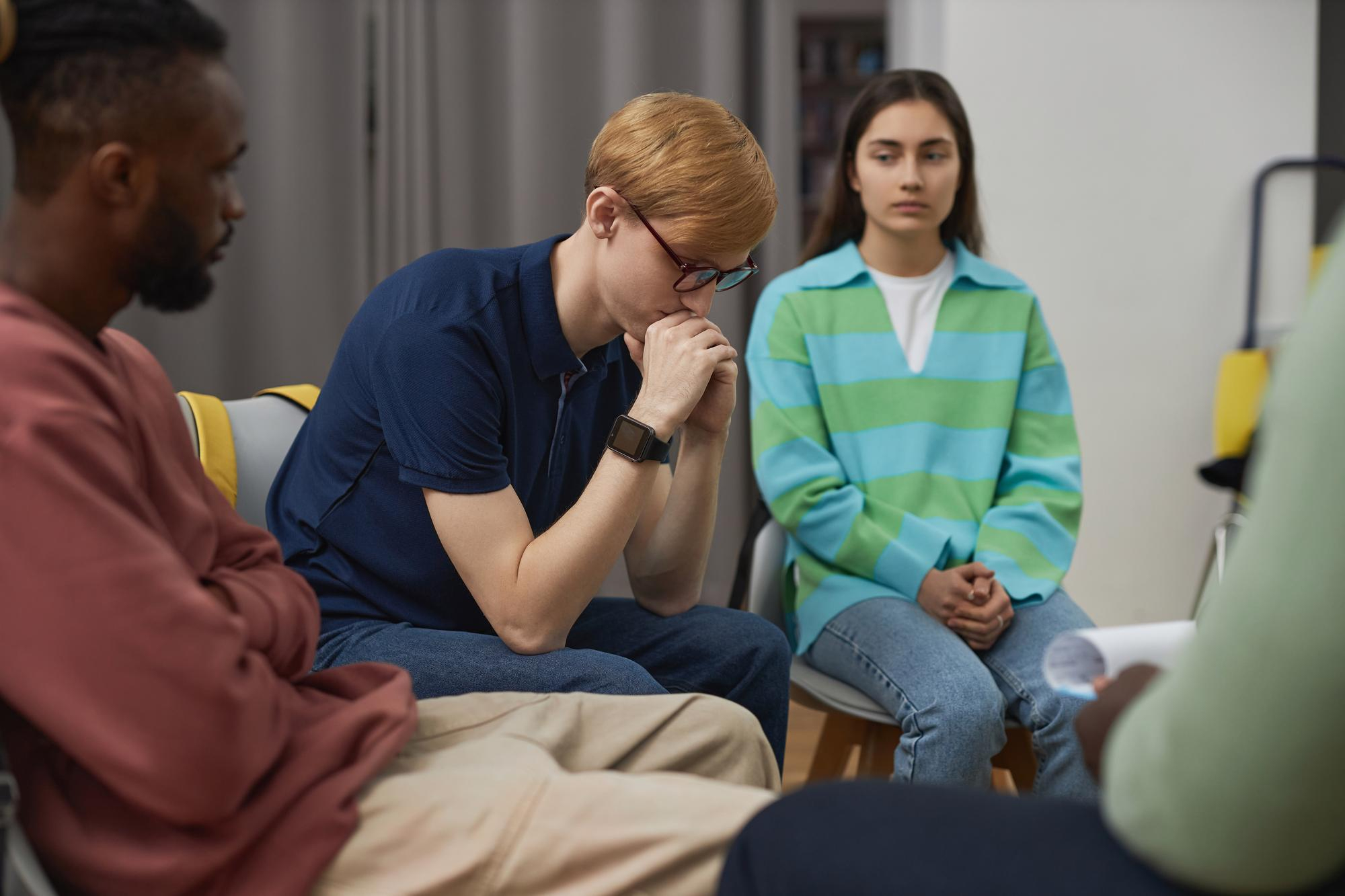
Group therapy operates on a different mechanism. Where individual sessions offer depth and privacy, group therapy offers something that no one-on-one session can replicate: the experience of being understood by people who have been through the same thing.
The therapeutic value of group sessions extends beyond peer support. Patients hear how others have responded to situations they recognize. They receive honest feedback without the professional distance of a therapist. They practice communicating about addiction and recovery in a social context, which is directly applicable to the relationships and conversations that await them after discharge.
Group sessions in a structured rehab program also include psycho-educational components. Patients learn about how addiction affects brain chemistry, how relapse unfolds, how to identify triggers, and how to build coping strategies that hold up under stress. That knowledge, presented in a group setting, becomes the foundation of a shared recovery language.
Addiction does not present identically across genders. Trauma histories, parenting responsibilities, codependency patterns, social stigma, and the specific relational dynamics that contribute to substance use differ in ways that are clinically meaningful.
Gender-specific group therapy allows patients to address those dimensions honestly, without the social dynamics that often shift when groups are mixed. At Conifer Park, both the inpatient units and outpatient programs include gender-specific groups, with the women's program specifically addressing trauma, grief, parenting, co-dependency, and self-esteem as part of the core therapeutic work.
Support groups, including 12-step programs such as Alcoholics Anonymous and Narcotics Anonymous, operate differently from clinical group therapy. They are peer-led, ongoing, and available in communities across the country and around the world. Their accessibility after discharge is one of their most important features.
During inpatient treatment, patients are often introduced to 12-step or other sober support frameworks as part of the program. The goal is not simply to add another meeting to the schedule but to connect patients to a network that will still be available six months, a year, and five years after they leave the facility. Conifer Park's programs include self-help and sober support networks as part of both inpatient and outpatient programming.
Addiction affects everyone connected to the person using. Family members develop their own patterns of response, including enabling, conflict avoidance, and emotional withdrawal, that can work against recovery if they are not addressed alongside the patient's treatment.
Family members who want to know how they can be involved in a loved one's treatment can call (800) 926-6433 to ask about family programming before admission.
Family systems counseling involves family members directly in the treatment process. It gives patients and their families a structured space to work through communication patterns, set boundaries, and understand how to support recovery without recreating the conditions that sustained active addiction. Conifer Park offers family programming as part of inpatient treatment and family systems counseling at outpatient locations.
For patients with co-occurring mental health conditions, the integration of psychiatric care alongside therapy and group programming is not supplementary. It is essential. Treating addiction in isolation from depression, anxiety, PTSD, or other conditions that co-occur with it produces incomplete results.
At Conifer Park, on-site psychiatrists and psychiatric nurse practitioners are part of each patient's care team. Co-occurring disorder treatment runs in parallel with individual therapy and group programming from the beginning of treatment, not as a separate track that starts after addiction care is complete.
Conifer Park's inpatient program at the Glenville, NY campus includes daily group therapy sessions, weekly individual sessions with a dedicated Addiction Specialist, psycho-educational classes, gender-specific groups, family programming, and an activities and recreation program that includes art therapy and music therapy. Outpatient programs across six New York locations continue group and individual counseling, MAT, relapse prevention, co-dependency groups, anger management, and family systems counseling.
The facility has operated since 1983, is licensed by New York State OASAS, and accepts Medicaid and most major insurances.
Call (800) 926-6433 to speak with the intake team, verify your coverage, or get answers to any questions about the program. The line is open 24 hours a day, 7 days a week.
Related Topics:





.jpg)















.jpg)


















.jpg)