Do Alternative Therapies Actually Work in Rehab?
September 27, 2026
.png)

September 27, 2026

Short answer, they help, and they're not treatment on their own. The activities in our inpatient program are genuinely useful for someone going through a hard stretch of weeks, which matters if you're weighing us as a reliable addiction treatment facility in New York. They are not, though, what actually addresses the substance use disorder itself.
We'd rather just say that plainly than describe a gardening program as some kind of breakthrough.
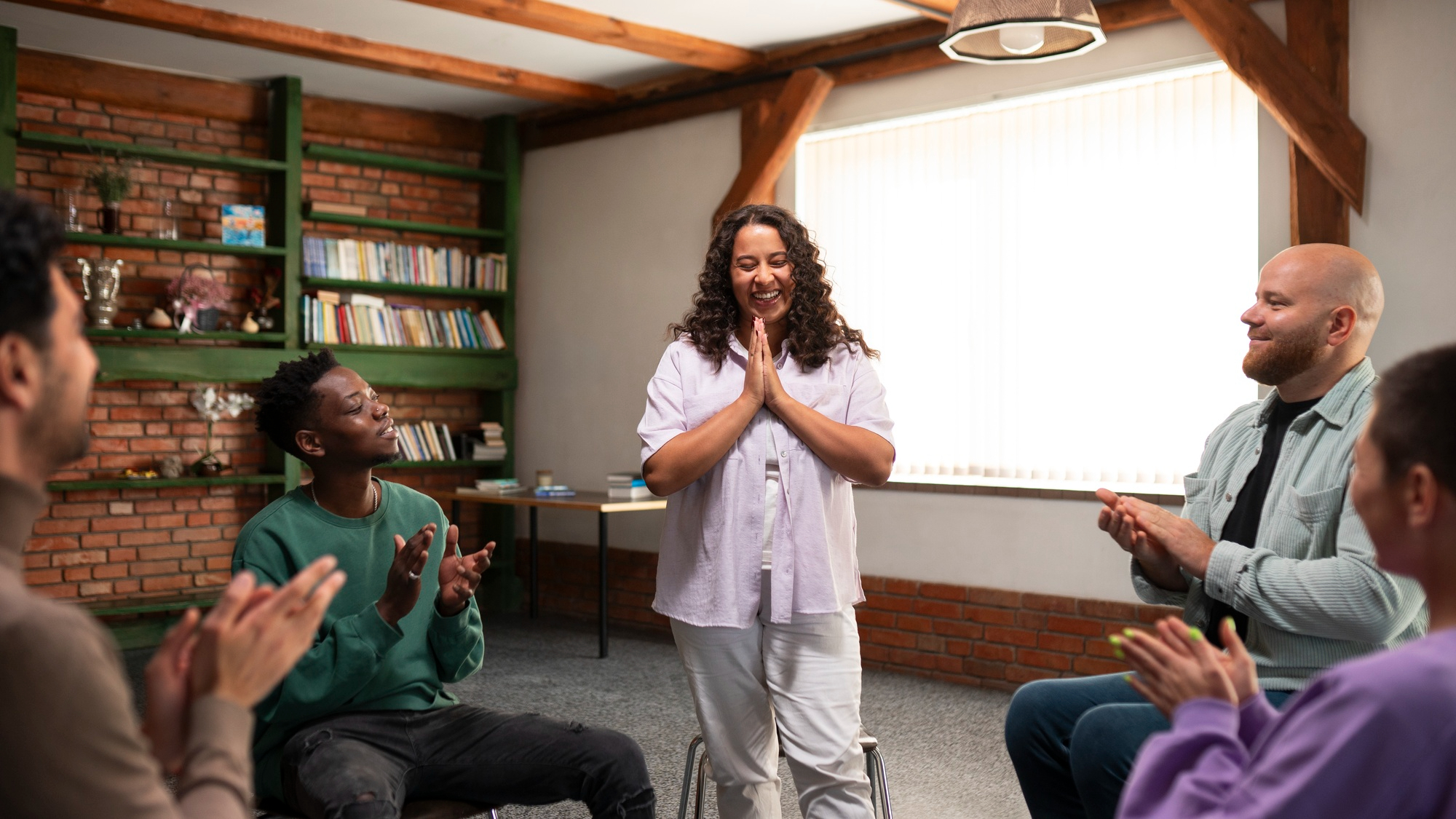
Our activities and recreation program includes gardening, sports, art therapy, music, and crafts, plus psycho-educational classes and nutritional coaching. These are built into the structure of a stay rather than offered as extras someone signs up for separately.
What they do is give people something constructive to do with their time and energy while the harder clinical work happens in parallel. That's a real function, you know, just a different one from what CBT or medication-assisted treatment provides.
It would be easy to write about art therapy in dramatic language. Plenty of programs do, honestly.
The reason we won't is that there's a meaningful difference between an activity that supports someone's well-being during treatment and a clinical intervention with a body of research behind it aimed at substance use disorder specifically. Blurring that line makes marketing easier, sure, but it makes it a lot harder for a family to work out what they're actually buying.

Early recovery involves a lot of hours that used to be occupied, directly or indirectly, by substance use. That gap isn't a small problem, and it's worth naming as one.
Boredom and unstructured time are common triggers. Recreation and organized activity fill part of that gap with something else, and the routine itself becomes a template people can carry home even when the specific activities change.
If you want a sense of how that structure actually plays out hour by hour, a typical day in rehab shows it pretty clearly. Somebody who learned that a bad afternoon can be walked off rather than waited out has taken something concrete away from a sports program, whatever the research does or doesn't say about sports programs specifically.
Our admissions team can talk through what an inpatient stay involves and what your insurance covers before anyone commits to anything. There's no pressure and no obligation.
Noticed your loved one falling back into old patterns during a pass home? Give us a call at (800) 926-6433, and we can help figure out what additional support might help before things slide further.
Someone coming out of active substance use often has real nutritional deficits, and those deficits affect sleep, mood, and the body's capacity to handle stress. It's easy to overlook, but it matters more than people expect.
Addressing that through education and guidance supports everything else in the plan. Better sleep and steadier mood make a therapy session more productive than it would otherwise be. This is a good example of a supporting activity that pulls its weight without needing to be described as some kind of cure.
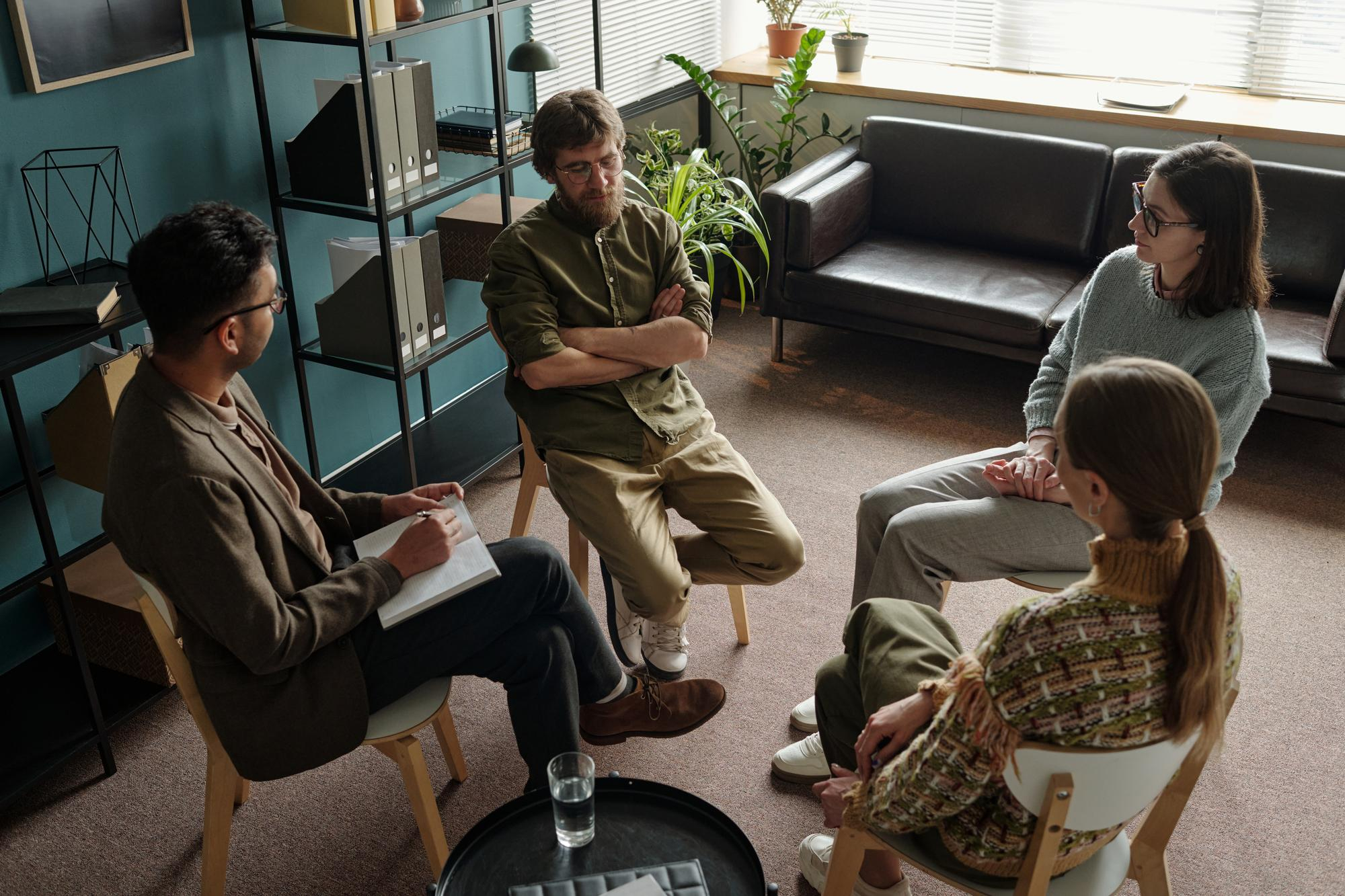
These give people practical information about substance use disorder, recovery, and specific skills, usually in a group format. The content comes from the same clinical concepts used across the program, delivered as teaching rather than as therapy.
Someone might learn how cravings work biologically in a class, then apply that understanding in an individual session later the same week. The class supplies context, and the session supplies application, and that combination is part of how daily routines affect recovery outcomes over the course of a stay.
That last point matters more than it sounds, actually. A week that's full of pleasant activity and light on therapy looks like progress, and often it just isn't.
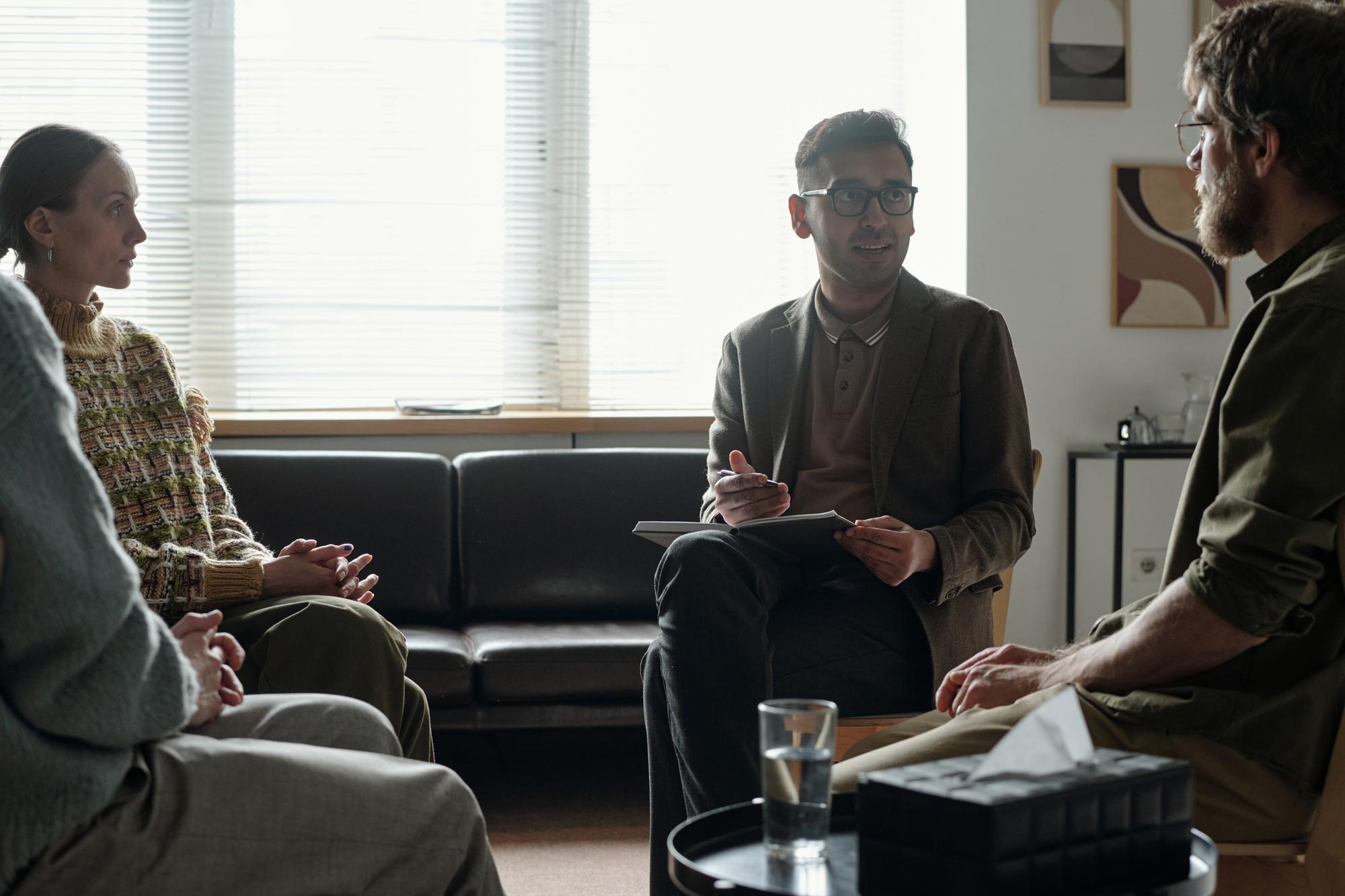
Every patient has a plan built around clinical therapies first, with complementary activities layered in according to their situation and level of care. The balance reflects how we think about treatment generally. Established methods do the real work of recovery, and everything else in a program should genuinely support that rather than get sold as more than it is.
We accept New York State Medicaid and most major commercial plans, with self-pay agreements based on need. Free transportation is available from anywhere in New York State for inpatient and detox admissions, arranged after intake.
Conifer Park operates fully confidential addiction treatment programs under federal 42 CFR Part 2 regulations. This means the facility can't confirm or deny any person's participation in its programs without that person's written consent.
Are these activities optional?
Activities and recreation are part of the structure of an inpatient stay rather than a separate sign-up. How much any individual participates is worth discussing with your case manager, particularly if something isn't a fit for you physically or personally. The schedule is built with your treatment team.
Can art therapy or music treat addiction on its own?
No, and we wouldn't present them that way. These activities support a person during treatment and help build healthier routines. The clinical work of addressing a substance use disorder is carried out by established therapies such as CBT, DBT, motivational interviewing, and trauma-related counseling.
Are complementary activities available in outpatient care?
The activities described here are part of our inpatient program at the Glenville campus. Outpatient schedules are structured differently and are lighter by design. Our admissions team can explain what a specific outpatient location offers if you're weighing that level of care.
How do I know if a program is overselling this kind of thing?
Ask what carries the clinical work and what supports it, and see whether the answer is specific. A program that describes a recreational activity as its primary method for treating substance use disorder is worth asking harder questions of before you commit to it.
If you're not sure which mix makes sense for you, that's a completely normal place to start from. You can contact us whenever you're ready, or call (800) 926-6433. The admissions line is answered 24 hours a day. Calls are confidential. There's no pressure and no obligation.
Related Topics:







.jpg)






















.jpg)











.jpg)