How Peer Accountability Actually Works Inside Group Therapy in Troy, NY
October 11, 2026
.png)

October 11, 2026

The version of peer accountability most people picture, someone getting called out, put on the spot, and pressured to explain themselves, isn't really what functional group therapy looks like in a clinical outpatient setting.
That confrontation-based model showed up in addiction treatment for decades, and it's largely been abandoned because, honestly, the evidence just didn't back it up. What it produced instead was defensiveness, early dropout, and in some cases, real harm.
What actually happens in a well-run clinical group is a bit more subtle and, in many ways, more powerful. At our Troy outpatient clinic, group therapy is a core part of treatment, and the peer accountability inside those sessions comes from structure, a skilled outpatient rehab team, and the specific culture that builds over time within a consistent group.
Accountability in a clinical group setting is not the same thing as pressure, even though people mix them up a lot. Pressure is when other people in the group push someone to disclose something, do something, or commit to something they're not ready for.
Whatever the intent behind that kind of dynamic is, it just tends to backfire. It triggers defensiveness, damages trust, and makes genuine disclosure less likely rather than more.
Accountability is different, kind of in a quieter way. It's the natural result of being known by a group of people who are working on similar things. When you've been honest with a group over several weeks, when they know what you said you were going to work on, there's real weight to showing up and being asked how it went.
That weight comes from relationship, not confrontation. It comes from being seen by people whose opinions actually carry meaning, because they're doing the same work. The distinction matters clinically, too, since research on what makes group therapy effective consistently points toward trust and cohesion as the active ingredients.
A group that operates on pressure tends to produce performance. A group that operates on genuine accountability, whether that's a weekly session or something structured like an intensive outpatient program, tends to produce something more durable.
Structure is what makes accountability possible without it sliding into pressure. At our clinic, groups are led by licensed clinicians who set the tone for how sessions run, and that matters more than people expect. That includes how sharing works, how the group responds to what's shared, and how conflict or difficulty gets handled when it surfaces.
Sessions have a consistent format that participants pick up on pretty quickly. That predictability is not incidental, not even a little. When people know what to expect from a session, they can focus on the actual work instead of guessing at what's going to happen next. Consistency also builds the kind of trust that makes honesty more accessible.
If you've been in the same group for four weeks and the space has felt safe, you have more reason to take a risk with what you share than you would in week one. The group leader's role includes noticing when accountability shifts into pressure and redirecting before it becomes the norm, which is really how relapse prevention groups work when they're run well.
This takes clinical skill and genuine attentiveness to group dynamics. A group left to operate without that kind of clinical leadership tends to drift toward either avoidance or confrontation, and neither serves the people in it.
Noticed yourself slipping back into old habits lately, or maybe you’re worried about someone else in your life? Give us a call at (518) 793-7273, and we’ll help you sort out what’s going on before it turns into something bigger.

This is where accountability really gets tested. When someone in the group relapses, misses several sessions, or comes in visibly struggling, the group's response to that moment shapes what kind of group it actually is.
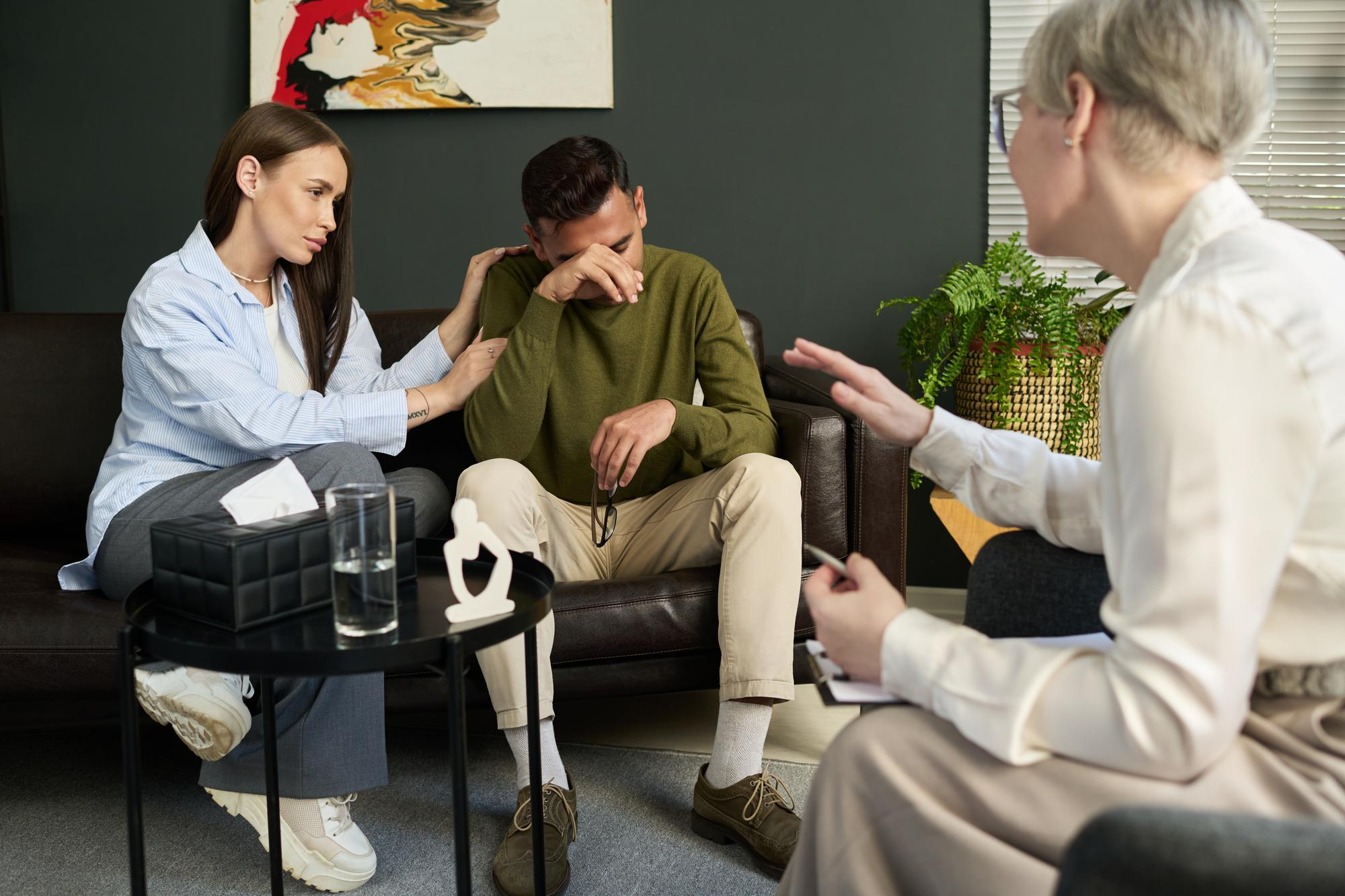
In a well-run group, the response to struggle isn't judgment. It's the kind of honest, non-rescuing acknowledgment that can only come from people who know each other and aren't pretending otherwise.
A group member might plainly say they're concerned. They might share their experience of a similar moment. What doesn't happen is a pile-on, or some performance of disappointment designed to motivate through shame. Shame is one of the least effective motivators in addiction recovery, and clinical practice has moved away from approaches that lean on it.
Knowing the difference between a slip and a full relapse matters here too, because a slip doesn't mean someone is out of the group or out of treatment. They're clinical events that inform what happens next, nothing more dramatic than that.
The group can be part of how someone makes sense of what happened and decides what to do differently, without it turning into a tribunal.
The work that happens inside a group session doesn't just stay inside the room. One thing people in recovery report consistently is that group membership changes how they think about their choices outside sessions. Knowing you'll sit with the same people next week and get asked how things went is a quiet but real factor in how you approach the days in between.
This isn't the same as being watched or evaluated, not even close. It's more like having a community of people who are genuinely invested in how things are going for you. That kind of investment is a meaningful clinical resource, because isolation is one of the most consistent risk factors for relapse.
Group membership, when the group is functioning well, works as a partial antidote to that isolation. The relationships that form in group therapy aren't the same as friendships, and clinical practice carefully maintains that distinction.
But the sense of being known, being expected, and having something to show up for, that's real, and it carries protective value well past the session itself.
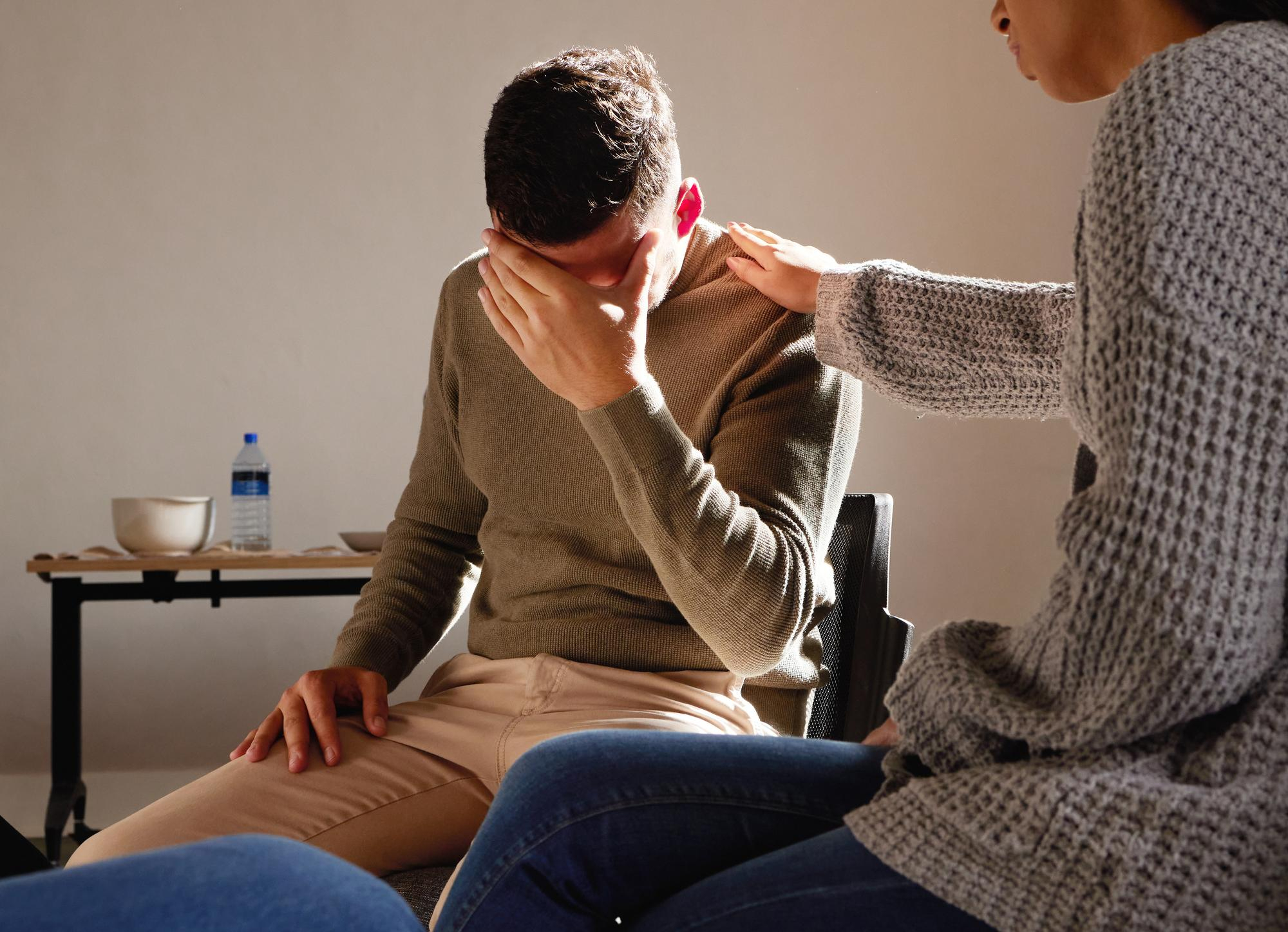
The line between productive accountability and harmful group pressure is felt clearly by the people inside the room, even when it's hard to describe from the outside. Productive accountability leaves the person with their agency intact.
They hear something honest from people who know them, they get space to respond, and they make their own decisions about what to do with it.
Harmful group dynamics remove agency, plain and simple. They create situations where the only acceptable response is some kind of performance, whether that's breaking down, making a public commitment, or accepting a narrative about yourself that might not even be accurate.
Sound clinical group leadership is what keeps groups from drifting into that territory, and it's why the clinician's training and attentiveness to group dynamics matter as much as anything else about the group structure.
At our Troy clinic, group sessions are led by licensed clinicians trained in group dynamics and in the specific complexities of addiction and co-occurring mental health conditions. The groups aren't peer-run. They're clinically supervised, and that supervision is what gives peer accountability the structure it needs to be genuinely useful instead of genuinely harmful.
Have questions about group therapy, or just want to talk through what treatment could look like for you? Contact us, and we'll help you figure out the right next step. You can also reach us at (518) 793-7273 or stop by at 2431 6th Ave, Troy, NY 12180. We're open Monday through Friday, 8:00 AM to 6:00 PM, and Saturday from 8:30 AM to 11:00 AM.
Related Topics:






.png)

.png)
.png)









.jpg)





































.jpg)