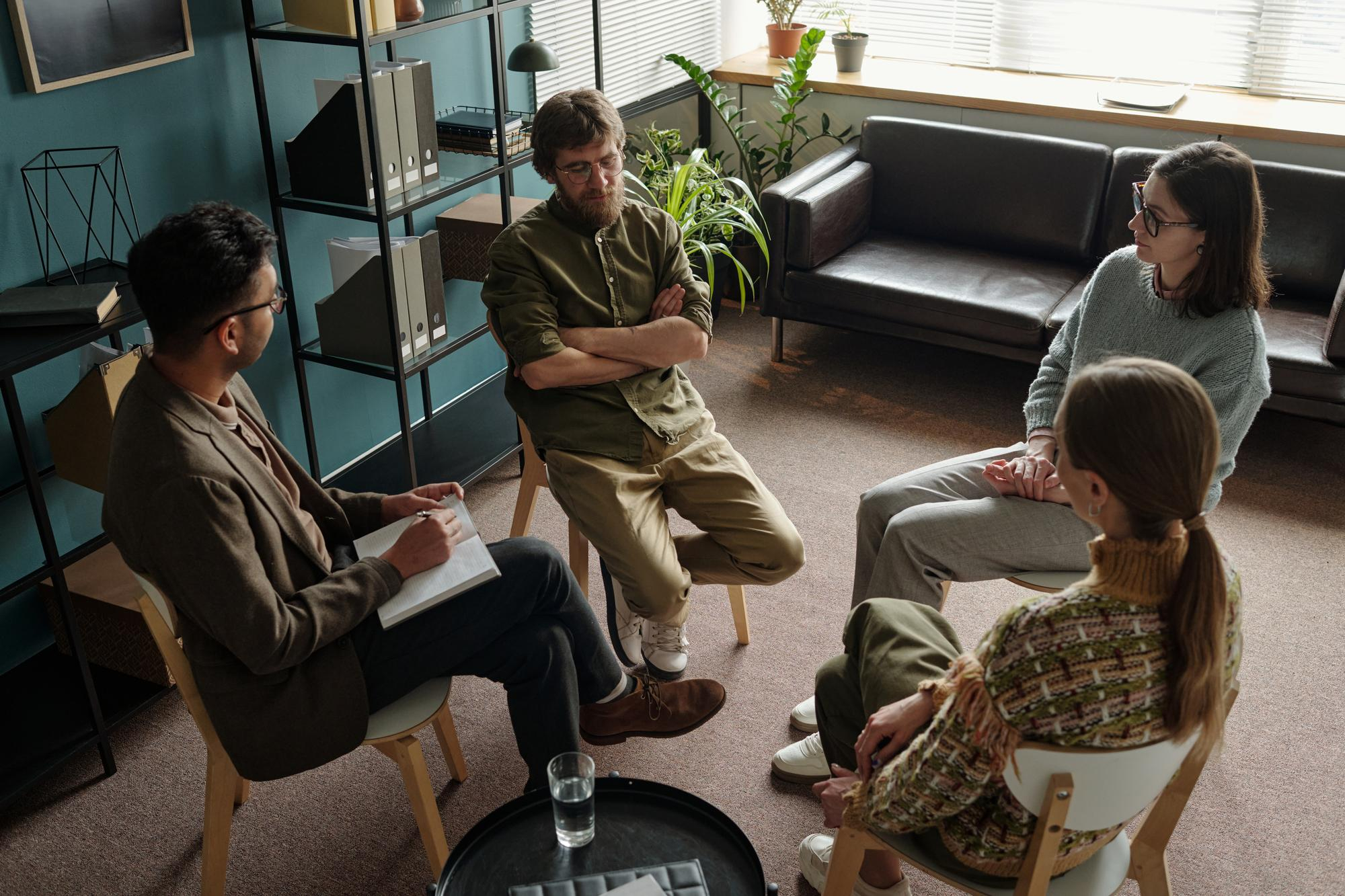
What are the Differences between Gender-Specific vs Co-Ed Rehab in Glenville, NY
August 27, 2026
.png)

August 27, 2026

One question that comes up early in the search for treatment is whether a program separates patients by gender or treats everyone together. It may not be the first thing someone thinks to ask. But it can shape how comfortable a person feels through detox and inpatient care, and that comfort in the early stages often affects how willing someone is to stay and do the work.
If you are looking into trusted addiction treatment in New York, the structure of a program, including who else is in the room with you, matters more than most people expect.
A gender-specific program keeps men and women in separate living units during inpatient care, even when both are being treated within the same facility. This is different from a program that mixes everyone together for housing, meals, and group sessions.
At our facility, inpatient care includes separate men's and women's units. This is not an add-on service or a special request. It is built into how our residential program operates day to day, for every patient who is admitted for inpatient treatment.
For many patients, being in a space with people of the same gender reduces distractions and discomfort that can make recovery more difficult. Some people are dealing with trauma tied to relationships with the opposite gender, and a mixed environment can make it harder to open up during group therapy.
Others simply feel more at ease discussing certain topics, such as body image, family roles, or past relationships, in a same-gender setting.
This does not mean co-ed environments are wrong for everyone. It means that for many patients, a same-gender living environment lowers the barrier to full participation. Recovery asks people to be honest about difficult things, and anything that makes honesty easier is worth taking seriously.
Even within a gender-specific inpatient model, not every part of treatment is separated. Family therapy often involves people of different genders by design, since it is meant to include loved ones regardless of who they are. Some educational groups and recreational activities may also bring men and women together, depending on the day's structure.

The goal is not total separation for its own sake. It separates parts of treatment where doing so genuinely helps, while keeping shared spaces for activities where mixing doesn't create the same friction. A well-run program should be able to explain exactly where the lines are drawn and why.
Talking to people who have gone through inpatient treatment, comfort during group therapy comes up again and again as a factor that shaped how much they got out of the experience.
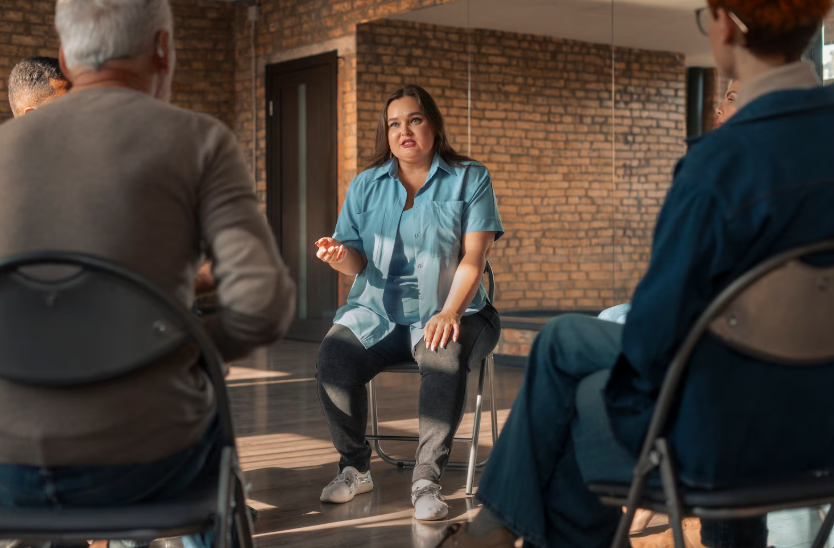
The benefits of integrating therapy and support groups feel much more real when patients feel safe enough to participate, and that starts with the environment they walk into every day. Group settings ask patients to talk about relapse, family conflict, and personal history in front of other people, and not everyone finds it easy to be that open.
Feeling at ease in the room, before a single word is spoken, can make the difference between a patient who participates fully and one who holds back out of caution. This is part of why the living environment is treated as more than a scheduling detail. It shapes the atmosphere a patient walks into every day.
If you are trying to figure out whether gender-specific or co-ed treatment is the better fit, start by thinking honestly about comfort level. Consider:
There is no universally right answer, only the answer that fits the person entering treatment.
It also helps to ask any facility you are considering directly how their model works:
Knowing this ahead of time removes one more unknown from an already uncertain decision.
When someone calls our admissions line, this is one detail our team can walk through as part of finding the right fit. You don't need to have decided what model works best before you call. Our team can explain how our units are structured and answer questions about what a typical day looks like for someone admitted into inpatient care.
Recovery works best when a person feels able to engage fully in the process, and the living environment supports that. Whether gender-specific housing matters to you personally is worth thinking through before admission, not after you arrive.
Are men and women treated together at your facility?
Inpatient care includes separate men's and women's units. Some parts of treatment, such as family therapy, may still involve people of different genders.
Is gender-specific treatment better than co-ed treatment?
Neither model is universally better. It depends on what helps a specific person feel comfortable enough to fully participate in treatment.
Does gender separation apply to outpatient treatment too?
This article focuses on inpatient care, where separate units are part of our standard structure. Ask our admissions team about how outpatient sessions are organized.
Can I ask about the process before deciding on a facility?
Yes. This is a reasonable and common question to ask during your first call with any treatment center.
If you or a loved one is seeking compassionate and professional addiction treatment, Conifer Park is here to help. Reach out today to begin your journey toward recovery.
Address: 79 Glenridge Rd, Glenville, NY 12302
Main Line: (800) 926-6433
Business Hours: Sunday - Monday: 24 hours
For inquiries or to schedule a consultation, please visit our Contact Us page.
Related Topics:








.png)


.png)
.png)









.jpg)


































.jpg)