How Medication Protocols Differ for Alcohol vs Opioid Withdrawal in Glenville
September 8, 2026
.png)

September 8, 2026
Alcohol and opioid withdrawal aren't treated the same way, because these substances hit the body differently, and the risks that come with quitting them aren't equal either.
Alcohol withdrawal can trigger serious complications, seizures being the biggest concern, which is why detox here means close monitoring paired with medication chosen specifically to keep the body stable during that stretch.
Opioid withdrawal rarely turns life-threatening in the same sense, but it's brutal and exhausting to go through, so treatment often leans on medication-assisted options like Vivitrol, methadone induction, or buprenorphine induction to make the process bearable and set up a stronger recovery afterward.
Every step happens under medical supervision at our proven rehab treatment facility in New York, and no matter which substance someone's detoxing from, the goal stays the same: get through withdrawal safely, then move forward into the next phase of treatment.
The nervous system responds to alcohol and opioids in distinct ways, and pulling either substance away suddenly creates a different kind of stress on the body.
Alcohol withdrawal management focuses on:
Opioid withdrawal management focuses on:
Neither approach is more intensive than the other. They are simply solving different problems.

At our Glenville campus, medically supervised detox means round-the-clock monitoring by clinical staff, regardless of which substance a person is withdrawing from. A physician or nurse practitioner oversees the process, adjusting care based on how someone is responding rather than following a fixed script regardless of the individual.
This is part of why detox needs to happen at a facility rather than at home, since the monitoring itself is what keeps the process safe.
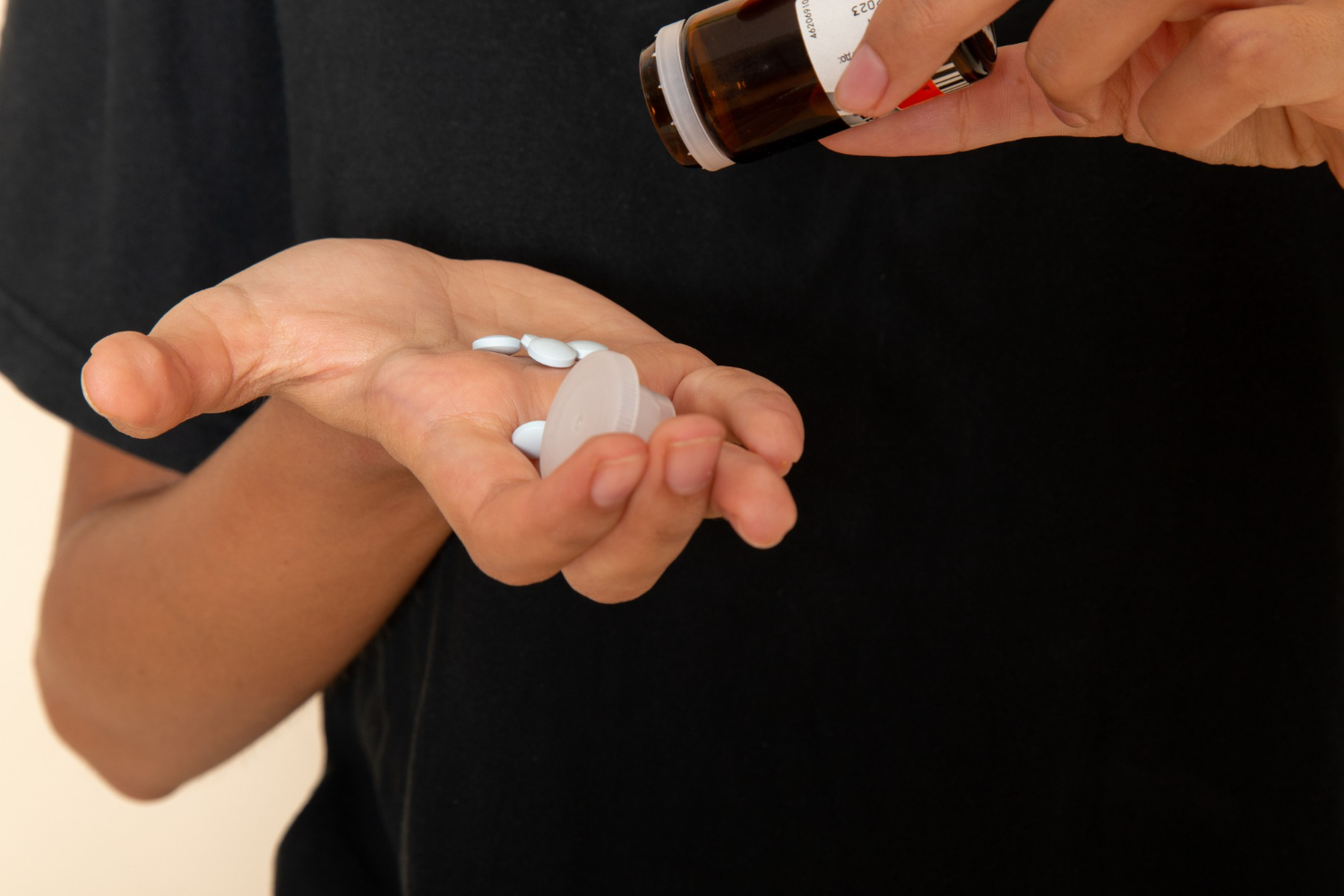
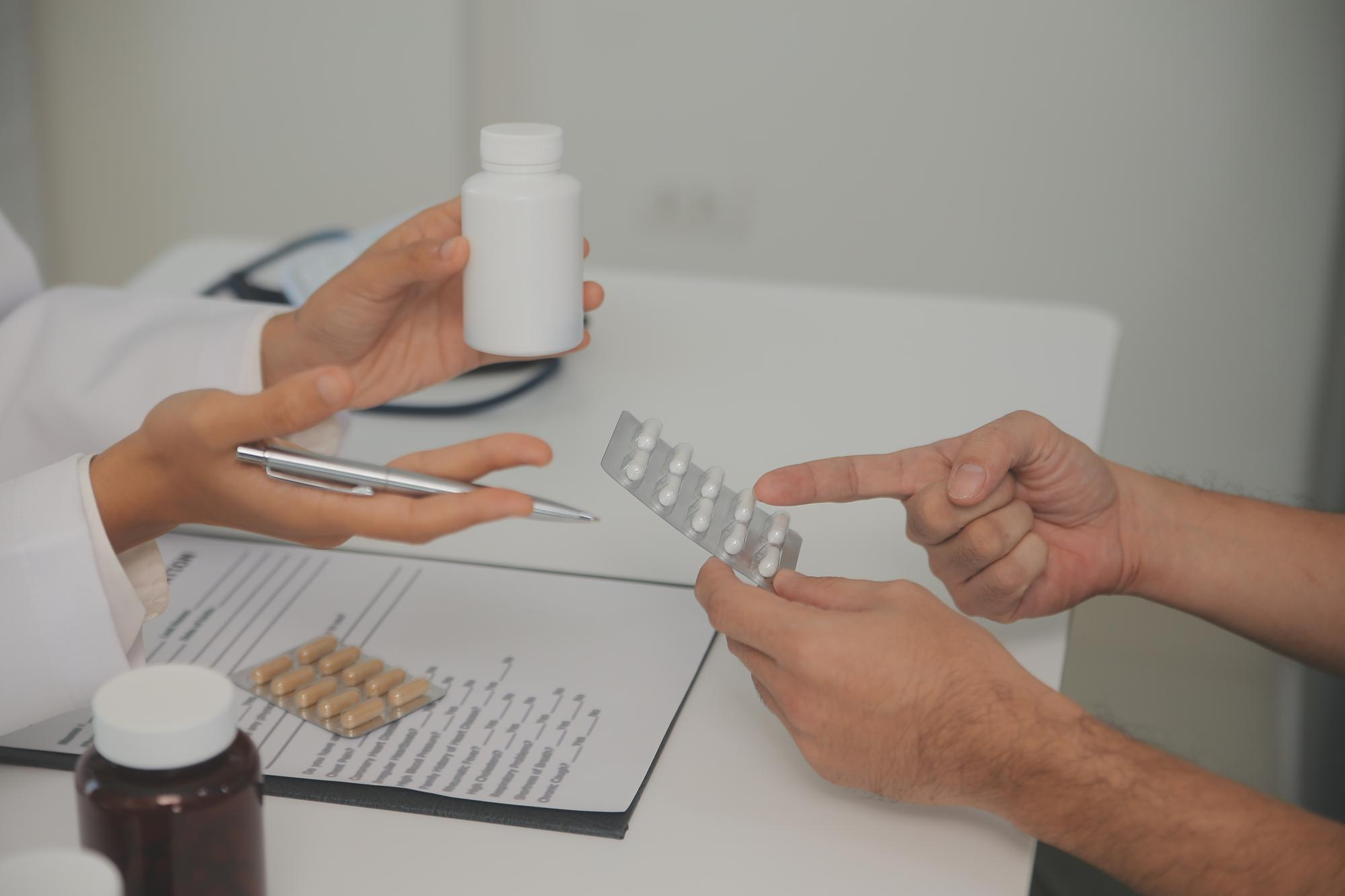
Medication-assisted treatment, often shortened to MAT, combines approved medications with counseling rather than relying on medication alone. For opioid withdrawal, this can include Vivitrol, methadone induction, or buprenorphine induction, chosen based on a person's history and clinical needs.
The purpose of MAT is not to substitute one dependency for another. It is a medically established approach that reduces cravings and withdrawal severity, which in turn makes it more possible for someone to engage fully in the counseling and therapy that support long-term recovery.
Because alcohol withdrawal carries the risk of more serious medical complications, the clinical focus during this stage is close observation and medication management aimed at keeping a person physically stable.
This is one of the clearest reasons medical supervision matters so much during alcohol detox, since complications can develop with little warning. Our clinical team monitors the situation closely throughout the process.
No two people withdraw from a substance in exactly the same way, and factors like how long someone has been using, other health conditions, and whether more than one substance is involved all shape the plan.
This is why our physicians and nurse practitioners assess each patient individually at intake rather than applying a single protocol to everyone. It is also part of why we do not publish specific medication schedules here. Those decisions belong in a clinical setting with a full picture of a person's health, not on a webpage.
Is alcohol withdrawal more dangerous than opioid withdrawal?
Alcohol withdrawal carries specific risks, including seizures, that make medical supervision especially important. Opioid withdrawal is rarely life threatening in the same way but can be severe and is also safest under medical care.
What is medication assisted treatment?
MAT combines approved medications, such as Vivitrol, methadone, or buprenorphine, with counseling to treat opioid use disorder. It is a clinically established approach, not a replacement for one substance with another.
Can I detox from alcohol at home instead?
We do not recommend this given the medical risks involved. Medically supervised detox exists specifically to manage those risks safely.
Does insurance cover detox for both alcohol and opioids?
We accept Medicaid and most major commercial insurance for our detox program, regardless of the substance involved. Our admissions team can help confirm your specific coverage.
If you or a loved one is seeking compassionate and professional addiction treatment, Conifer Park is here to help. Reach out today to begin your journey toward recovery.
Address: 79 Glenridge Rd, Glenville, NY 12302
Main Line: (800) 926-6433
Business Hours: Sunday - Monday: 24 hours
For inquiries or to schedule a consultation, please visit our Contact Us page.
Related Topics:















.png)

.png)
.png)









.jpg)




































.jpg)