Faith-Based vs Clinical Rehab Programs in Glenville, NY
August 27, 2026
.png)

August 27, 2026

Not every treatment center approaches addiction the same way. Some programs build recovery around a faith tradition, while others focus on a clinical model rooted in medical care and evidence-based therapy.
Neither approach is automatically right for every person. Understanding the difference can help clarify what kind of support actually fits someone's needs and values.
If you are trying to figure out which direction makes sense, connecting with a reliable addiction treatment program in Glenville can make that decision a lot less overwhelming. The right program meets you where you are, not where they think you should be.
A faith-based rehab program incorporates religious or spiritual practice directly into its treatment structure. This might include:
For people whose personal faith is already central to their life, this kind of program can align their treatment with their existing values. Recovery often benefits from meaning and community, and for some patients, a shared faith tradition provides that grounding throughout the process.
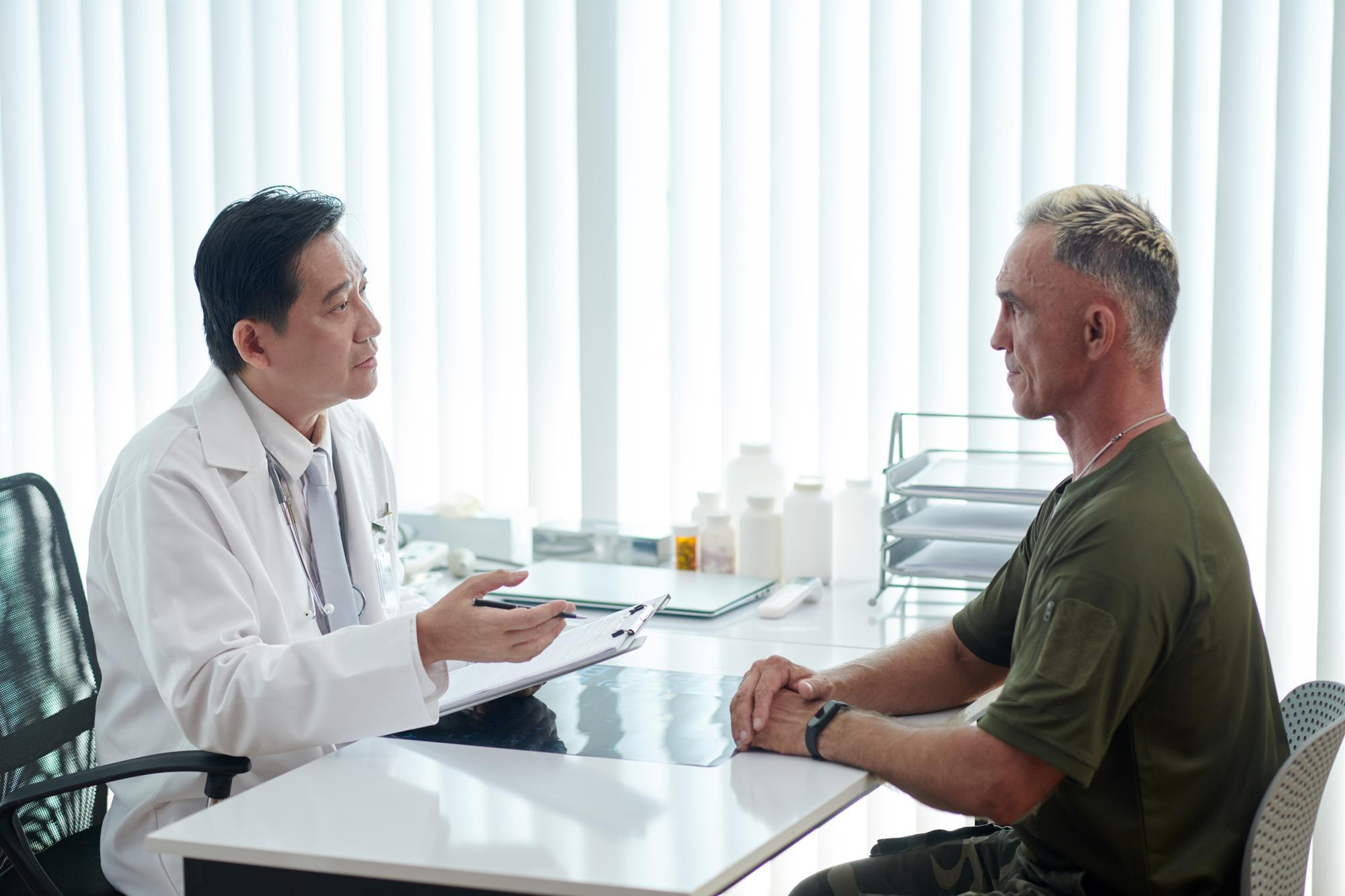
A clinical model, by contrast, centers on medical care and evidence-based therapeutic approaches, without requiring or centering a specific religious framework. Treatment decisions are guided by clinical assessment, and therapy draws on approaches with a documented basis in addiction treatment research, rather than a particular spiritual tradition.
Our programs follow a clinical model. Care is delivered by:
Therapeutic approaches include:
This structure is designed to be accessible to patients regardless of their personal religious background or beliefs.

These two models are not always as far apart as they might seem. Many clinical programs, including ours, include twelve-step facilitation as one of several therapeutic approaches, and twelve-step frameworks often include a spiritual component, even though they are not tied to any single religious tradition.
Patients can bring their own spiritual or religious practice into a clinical program on their own terms, even when the program itself is not built around a specific faith.
Similarly, many faith-based programs still incorporate clinical elements such as licensed counselors or medical oversight during detox. The distinction between the two models is less about the complete absence of one element in the other, and more about which framework sits at the center of how treatment is structured and delivered.
The right choice often comes down to which framework helps a specific person feel most able to engage fully in treatment. Someone whose faith is deeply important to their identity and coping may find that a faith-based program strengthens their commitment to recovery.
Someone who does not practice a specific religion or prefers treatment based strictly on clinical and medical standards may feel more comfortable in a program that does not focus on religious practice.
Neither choice reflects a lesser commitment to recovery. It reflects a difference in what kind of structure and language resonates with a given person. Being honest with yourself about this before choosing a program can prevent a mismatch that makes engagement harder than it needs to be.
Choosing between a faith-based and a clinical model is not always a decision made in isolation. Family members are often deeply involved in helping a loved one find treatment, and their beliefs or expectations can shape which option feels right to suggest.
It helps for families to check their assumptions here, since a program that feels comforting to a parent or spouse is not automatically the one that will resonate most with the person actually entering treatment.
A useful approach is to include the person seeking treatment in this conversation as much as possible, rather than deciding on their behalf based on what the family finds reassuring. Recovery tends to go better when the person in treatment feels some ownership over the choice of program, including the kind of framework it is built around.
Regardless of which model you are leaning toward, it helps to ask direct questions about how a program actually operates:
One of the key clinical metrics to evaluate rehab program effectiveness is whether a program can clearly answer these questions before you even walk through the door. Getting clear answers before admission helps make sure that whichever model you choose is one you can fully commit to, rather than one you are unsure about from the start.
That clarity tends to matter more for long-term recovery than the label attached to the program itself, and it puts the decision back in the hands of the person who has to live with it every day of treatment.
Can a clinical program include any spiritual element at all?
Yes. Many clinical programs include twelve-step facilitation as one of several therapeutic approaches, and twelve-step frameworks often include a spiritual component without being tied to a specific religious tradition.
Is a faith-based or a clinical program more effective for recovery?
Neither model is automatically better for everyone. The right fit depends on what kind of framework helps a specific person feel able to engage fully in treatment.
What should I ask a faith-based program before choosing it?
Ask whether participation in religious practice is required or optional as part of treatment. This clarifies how central the faith component is to daily program structure before committing.
What should I ask a clinical program about spiritual practice?
Ask whether the program allows space for a patient's own spiritual or religious practice, if that matters to them personally. A clinical model does not center religion, but that does not necessarily mean it excludes it either.
Should family members choose the program on behalf of the person entering treatment?
Include the person seeking treatment in the decision as much as possible, rather than choosing based only on what feels reassuring to family members.
Related Topics:







.png)

.png)
.png)









.jpg)
































.jpg)