Medication Assisted Treatment (MAT) in Glenville, NY: How It Works
September 27, 2026
.png)

September 27, 2026
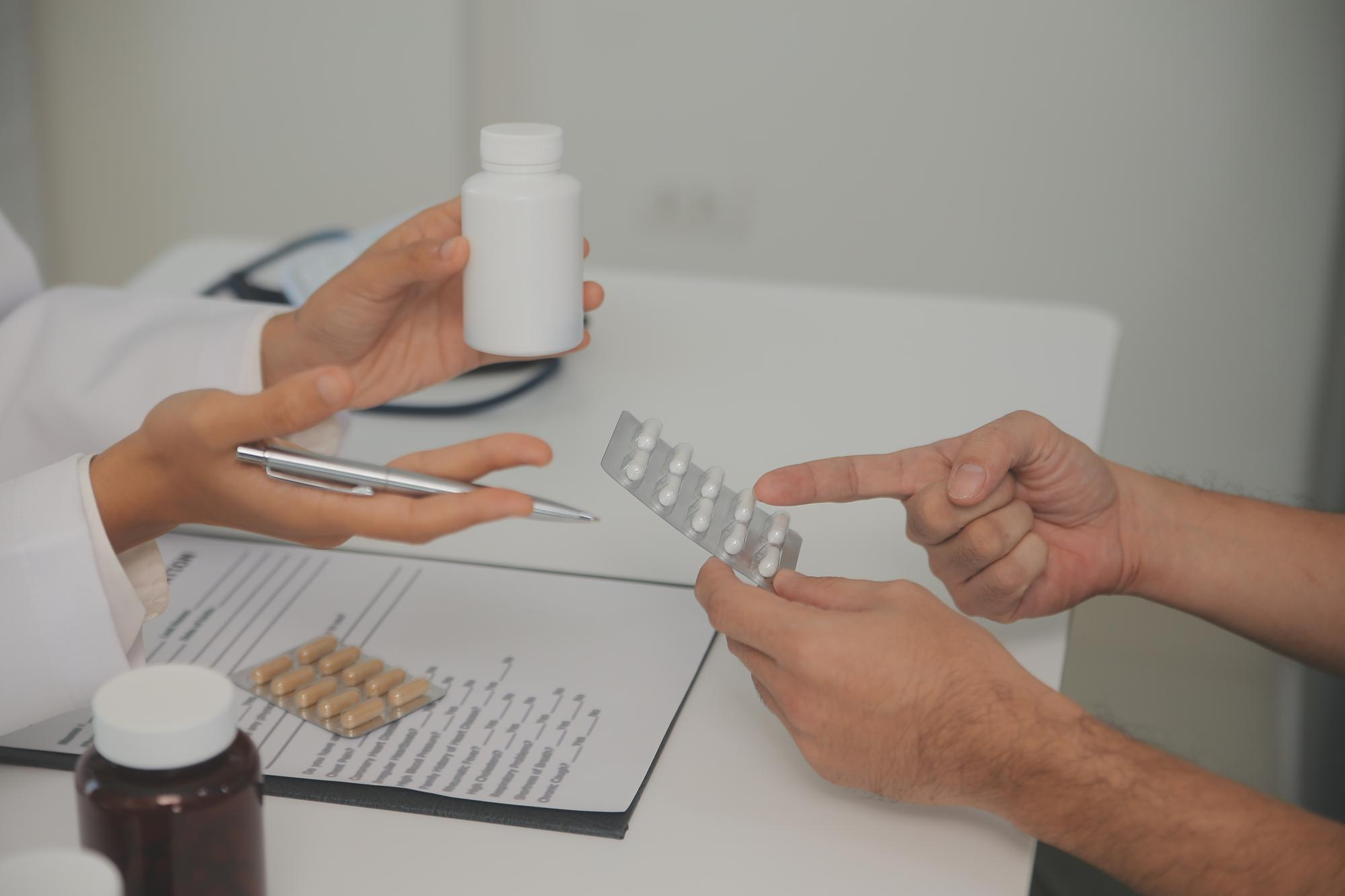
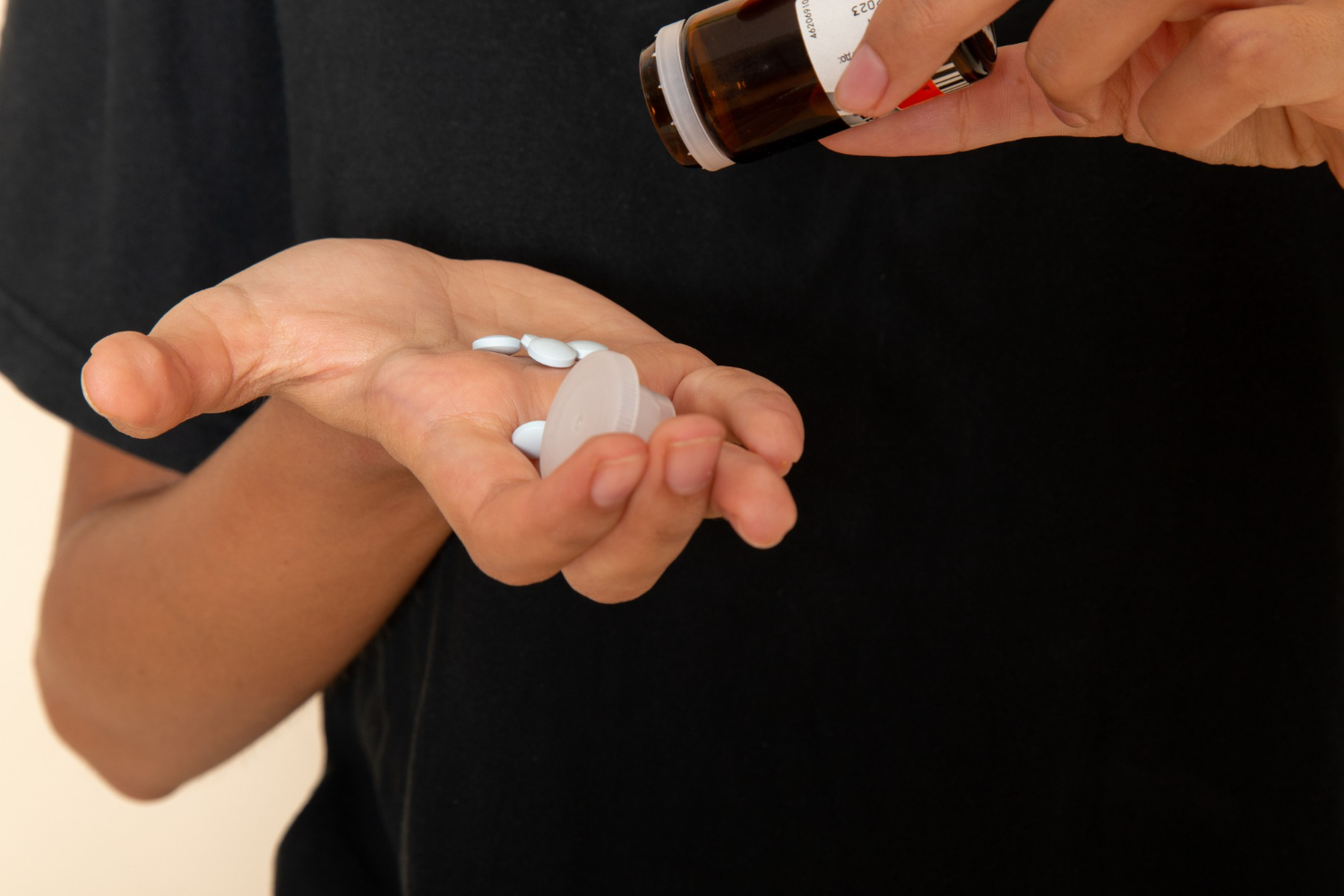
Medication assisted treatment is medication plus counseling, used together. The medication settles the physical side of dependence so that withdrawal is safer and cravings are quieter. The counseling handles everything the medication cannot reach.
At Conifer Park, a professional addiction treatment facility in New York, this happens during medically supervised detox on our Glenville campus, which is the stage where the body clears a substance under medical monitoring.
People hear the term long before anyone actually explains it to them, usually at the worst possible moment, too. So here's what it actually involves.
Withdrawal from some substances is not just unpleasant. Depending on what a person has been using and for how long, it can be genuinely dangerous. Medication gives our medical staff a way to manage that process during adult detoxification rather than just watch it happen.
What medication does not do is address why someone started using, what sets them off, or what they're going back to when treatment ends. Those belong to counseling. A program that offers one without the other is only doing half the work, which is kind of why we don't run MAT as a standalone service.
Our detox program uses three, and they do not do the same job.
For alcohol withdrawal specifically, our team follows a slightly different set of alcohol detox medications, since opioids and alcohol just don't behave the same way in the body. Which one makes sense is a medical decision, not a preference.
It depends on the substance, the person's health history, and what our medical staff finds when they assess someone at intake. Two people arriving on the same day with similar histories can end up on different medications, and that's normal rather than a sign something went wrong.
Our medical team includes physicians, nurses, psychiatrists, and psychiatric nurse practitioners, and the decision sits with them throughout.
Try doing difficult emotional work while your body is in acute withdrawal. It doesn't go well, honestly. That's kind of the whole argument for pairing medication with therapy rather than sequencing them.
Medication buys a person enough physical stability to actually show up for a counseling session and take something away from it. The therapies used alongside it are the same ones used across the rest of our program, including cognitive behavioral therapy, motivational interviewing, and trauma-related counseling, matched to what a person needs.
And because medication protocols differ depending on the substance, our medical team adjusts the approach case by case instead of using one template for everyone.

MAT usually begins during detox. As someone moves into inpatient rehabilitation, the medication continues to be managed by our medical team while structured therapy takes on more of the weight. Nobody hands the file over and walks away. The same clinical staff tracks it, and one case manager stays with the patient the whole way through.
For some people, the medication piece carries on past discharge into outpatient care, particularly Vivitrol. What each of our six outpatient locations across New York can continue is worth asking about directly when you call, since it depends a bit on the site and on the person's plan.
Our admissions team can walk through what your insurance covers and what happens next before anyone commits to anything. There's no pressure and no obligation.
Noticed a loved one going through withdrawal and not sure what to do next? Call us at (800) 926-6433, and our admissions team will walk you through the options, no pressure, no obligation.
Someone almost always asks whether this is just swapping one substance for another. It's a fair question, and honestly, it deserves a straight answer rather than a defensive one.
These are approved medications, prescribed at controlled doses, given under medical supervision, inside a plan that includes counseling and monitoring. That's a different situation from unsupervised use, and our clinical staff will talk through the specifics of how it applies to one person rather than in the abstract.
MAT sits inside our medically supervised detox service, so coverage works the same way it does for the rest of the program. We accept New York State Medicaid and most major commercial plans, including Healthfirst, Excellus Blue Cross Blue Shield, Fidelis Care, MetroPlusHealth, and MVP Healthcare. Self-pay agreements are available based on need.
Free transportation is available from anywhere in New York State for inpatient and detox admissions, arranged after intake, with two suitcases per patient. For a family in Rochester or Plattsburgh trying to move fast after a crisis, that removes a real obstacle rather than a theoretical one.
Conifer Park operates fully confidential addiction treatment programs under federal 42 CFR Part 2 regulations. This means the facility cannot confirm or deny any person's participation in its programs without that person's written consent.
Is MAT required for everyone going through detox?
No. Whether medication is appropriate depends on the substance involved and on a medical assessment at intake. Some people go through detox without it. The decision is made by our medical staff based on the individual, not applied as a blanket policy to everyone admitted.
Does MAT mean I am still dependent on a substance?
MAT uses approved medications at controlled doses, under medical supervision, as part of a treatment plan that includes counseling and ongoing monitoring. That's a different situation from unsupervised use. Our clinical team can talk through how it applies to your specific circumstances during intake.
How long does someone stay on MAT medications?
It varies by person and by medication. Buprenorphine and methadone induction are tied closely to the detox period. Vivitrol is sometimes continued into outpatient care after discharge, and your treatment team reviews this as your care progresses rather than setting a fixed end date at the start.
Can I ask questions about my medication while I am in treatment?
Yes. Our medical and clinical staff are available for these conversations during intake and throughout treatment. Nobody should be taking a medication without understanding what it is and why it was chosen for them.
Ready to take the next step, or just want to ask a few questions first? Either way, our team's here for it. Contact us or call (800) 926-6433. The admissions line is answered 24 hours a day. Calls are confidential. There's no pressure and no obligation.
Related Topics:










.jpg)


























.jpg)















.jpg)