What to Expect During a DWI Evaluation in Troy, NY
October 30, 2026


October 30, 2026

A DWI evaluation takes roughly two hours and covers your substance use history, health background, driving record and conversations with people who know you. It ends with a written clinical report and a recommendation about treatment. It is an interview, not a test you can fail, and most people leave less anxious than they arrived.
We conduct these evaluations at our outpatient clinic in Troy for adults across Rensselaer County and Albany County. Knowing the shape of the appointment ahead of time tends to make it go faster, so here is what the two hours actually contain.
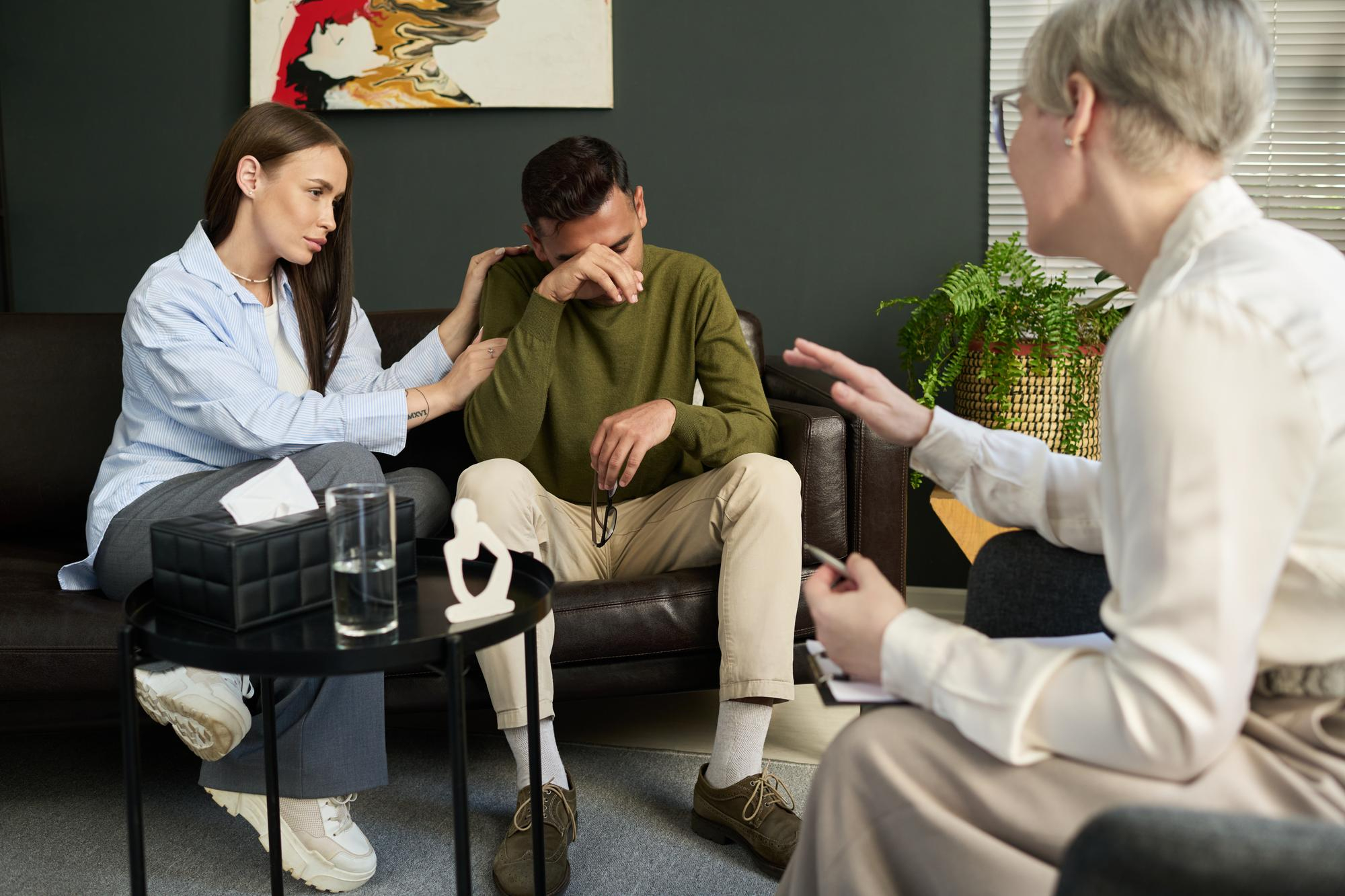
You meet with one clinician for the whole appointment. There is no panel, no courtroom setting and nobody else in the room. The two hour window covers the interview, the records review and the testing portion, though a straightforward case sometimes finishes sooner and a complicated history can run longer.
The clinician is a licensed professional trained in substance use assessment, working under a provider approved by the New York State Office of Addiction Services and Supports, the agency known as OASAS that licenses addiction treatment programs across New York. That approval is what allows the resulting report to be accepted by courts and the Department of Motor Vehicles. A conversation with a therapist who lacks that approval will not count, regardless of how useful it might be, which is a detail people tend to learn the expensive way.
The interview moves through your drinking and drug use history, including what you use, how much, how often and how long the pattern has held. It covers your physical health, your mental health, your living situation, your work and any treatment or counseling you have been through before. Legal history comes up as well, including prior arrests.
None of this is designed to trap you. Each answer narrows the range of appropriate recommendations. A person who drinks heavily twice a year sits in a different clinical category than a person who drinks nightly, and the only way to tell them apart is to ask. Honest answers produce a recommendation that fits your life rather than one built on a guess, and they shorten the appointment considerably. Evasive answers produce more questions, not fewer. Our approach here mirrors the way we conduct intake assessments for any client, court referred or not.
Booking the appointment. Our Troy intake team schedules DWI evaluations for adults across the Capital Region, usually within 24 hours of a call.
Three things happen alongside the interview. We review your driving abstract, which shows prior violations and license actions. We conduct testing, typically a urine screen and a breath test. We contact at least two people you nominate who can speak to your history, usually a family member, a partner, an employer or a close friend.
The collateral contacts surprise people most, and they are a standard part of the process rather than something we invented. The reason is plain enough. Substance use is one of the few health matters where the people around a person often see it more clearly than the person does. Those conversations are brief and focused, and they do not involve handing over your private details. Bring names and phone numbers with you so this part does not stall the report by a week.
Once the interview, records and testing are in, the clinician weighs everything and reaches a recommendation. The outcome lands in one of a handful of places, and severity, history and stability are what move it.

Most people land in one of the lighter categories, and a single incident with no history rarely produces a heavy recommendation. What moves the result upward is usually a pattern rather than an event, which is why the questions about frequency and duration carry so much weight.
If the recommendation points toward structured programming, how intensive outpatient works is worth reading before the schedule starts. Nine hours a week is a real commitment, and people who understand that going in attend more consistently than people who are surprised by it in week two.
The clinician writes the report, goes through the findings with you and then submits it. You are not left guessing what it says. If you disagree with the result, New York allows you to obtain a second assessment from another approved provider, and the findings of that second assessment carry.
From there the report travels to whoever requested it, through the state reporting system that courts, probation departments and the DMV draw from. If treatment was recommended, the clock on completing it starts now, and the file stays open until that part is finished and documented. People who begin the recommended program within a week or two of the evaluation almost always clear the process faster than people who treat the report as the finish line. For anyone weighing the recommendation against their own situation, is outpatient addiction treatment right for me is a reasonable question to work through before the program starts rather than after. Our clinic covers outpatient rehab in Troy across every level a recommendation might name, so the handoff from evaluation to treatment happens inside one organization rather than across two.
Schedule your evaluation. Call our Troy clinic at (518) 274-5143 or intake at (800) 926-6433. Walk-ins are welcome during clinic hours.
Related Topics: