How Cognitive Behavioral Therapy (CBT) Is Used in Glenville Rehab
September 27, 2026
.png)

September 27, 2026

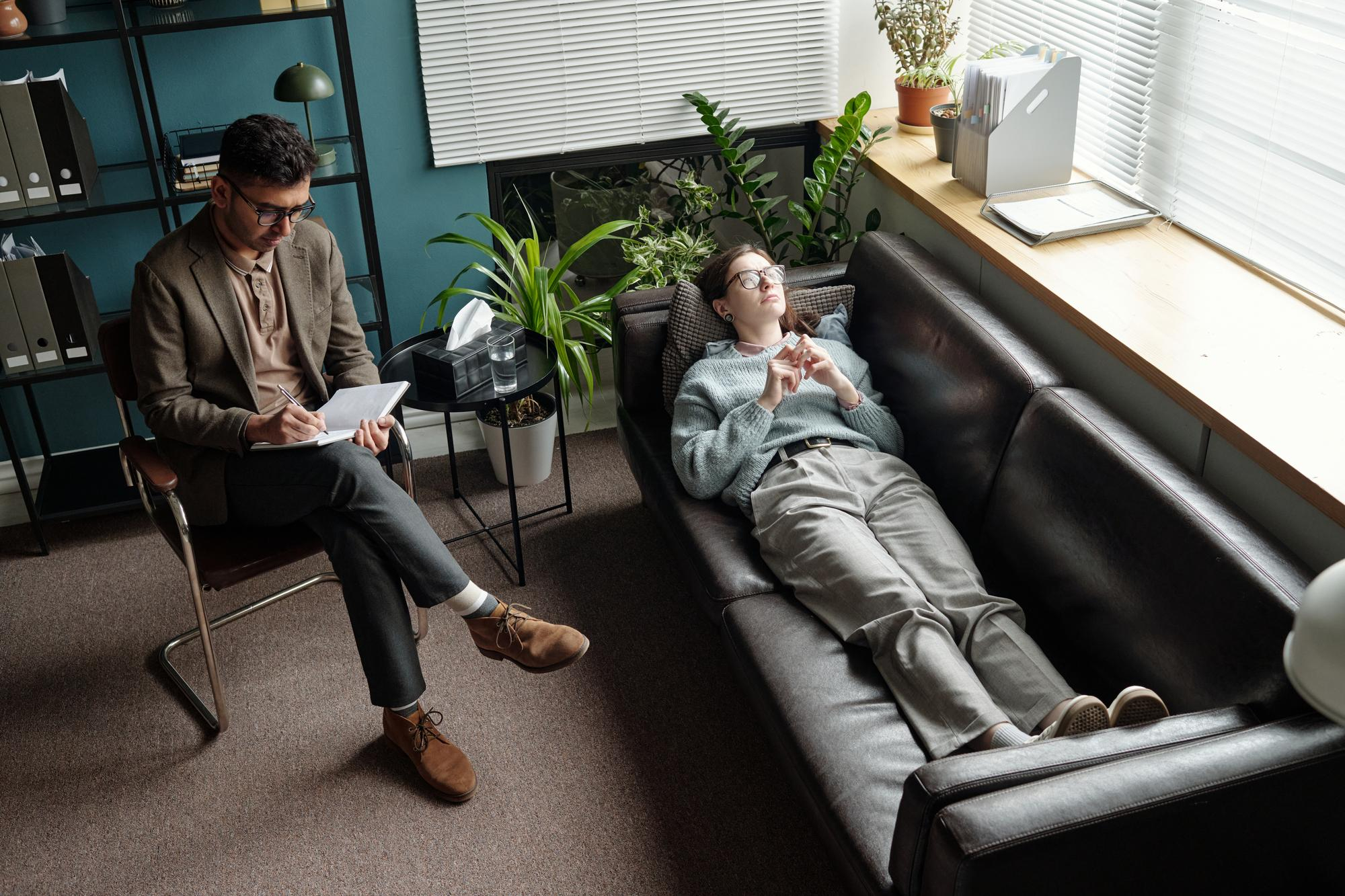
CBT is the approach used most widely in our Glenville program, and honestly, it's a big part of why people come to know us as a top-rated addiction treatment facility. It takes a specific situation, finds the thought that ran through it, checks whether that thought actually held up, and builds a different response for next time.
That's kind of the whole method, really. The reason it shows up in almost every treatment plan is that it gives people something to practice rather than just something to agree with.
A stressful moment arrives. Within a second or two, a thought forms about what that moment means, and the feeling follows right behind it. The decision follows the feeling.
Most people never actually see that middle step. It happens too fast to notice, and by the time anyone's aware of what's going on, they're already three moves into a bad outcome. CBT just slows that sequence down enough to look at it.
A counselor asks for something recent and specific as part of the broader addiction treatment program built around each person. An argument with a partner, a rough shift at work, a Sunday that went sideways for no obvious reason, that kind of thing.
From there, the work has a shape:
Repeat that across a course of treatment, and it adds up into something a person can use without a counselor in the room.
A fair number of the people we see have tried therapy before and found it vague, or have never tried it and expect it to be. They're not wrong to be wary of an open-ended conversation with no obvious destination, you know.
CBT isn't that. It asks someone to look at their own patterns and test different responses, which reads less like being analyzed and more like troubleshooting. For people who want structure and a reason to believe the hour is actually going somewhere, that tends to land.
If you're already wondering how this would apply to your own situation, our admissions team can walk through what treatment involves and what your insurance covers before anyone commits to anything. There's no pressure and no obligation.

This is the clearest application in our program. Relapses rarely come out of nowhere, they tend to follow a chain, and that chain has a recognizable order. Something triggers a thought, the thought produces a feeling, and the feeling produces a decision that by then feels automatic.
The trigger often can't be removed. A person can't always change where they live, who's in their family, or what their job does to them on a Thursday. The feeling is hard to argue with directly.
The thought is the changeable link, and it sits right in the middle of the chain. That's why CBT pairs so naturally with work to build a relapse prevention plan, and why relapse prevention sessions in our program lean on CBT techniques more than anything else.
Work through enough of these, and a person builds their own map of what tends to set them off and what to do about it. Not a generic handout. Their own situations, in their own words.
Noticing old triggers creeping back in, even months into treatment? Give us a call at (800) 926-6433, and we'll help you work through it before it turns into a full setback.
CBT rarely runs alone in a plan. Someone in trauma-related counseling might use CBT techniques for day-to-day triggers while the deeper trauma work happens at its own pace in separate sessions. Someone in family therapy might bring that same thought examination process into conversations with relatives too.
Dialectical behavior therapy grew out of CBT and adds more weight on managing intense emotion, so the two often run together for people whose substance use is tangled up with anger, shame, or anxiety. It's part of the bigger picture of how rehab centers prevent relapse long-term, not just one isolated technique.
CBT fits people who want structure and practical tools. It also works early in treatment, when someone's still on the fence, because it doesn't require them to have decided anything first. The work happens one situation at a time.
It's not the only thing we use, and it doesn't suit everyone. If it's not landing for someone, our clinical team changes the plan rather than insisting the method is right and the patient's the problem.
We accept New York State Medicaid and most major commercial plans, with self-pay agreements based on need. Free transportation is available from anywhere in New York State for inpatient and detox admissions, arranged after intake.
Conifer Park operates fully confidential addiction treatment programs under federal 42 CFR Part 2 regulations. This means the facility can't confirm or deny any person's participation in its programs without that person's written consent.
Do I need to prepare anything before a CBT session?
No preparation is required. Sessions usually start from something recent, so it helps if you can bring a specific situation to talk about rather than a general summary of how the week went. Your counselor will guide the rest and help you find the detail that matters.
Is CBT used in outpatient treatment as well as inpatient?
Yes. CBT appears across our levels of care, including outpatient treatment at our six New York locations. The schedule is lighter than in residential care, so sessions are less frequent, but the method and the work stay the same.
How long does it take before CBT starts helping?
This varies by person, and there's no fixed timeline really. The work is cumulative rather than sudden, since each session adds to a set of tools built over the course of treatment. Your counselor reviews progress with you as you go rather than at some set milestone.
What if CBT does not work for me?
Tell your counselor. Our clinical team adjusts treatment plans based on ongoing conversations with each patient, and a method that isn't landing is worth changing rather than pushing through. Several other approaches are available, and the mix is meant to be flexible.
If you're not sure whether CBT is the right fit for you, that's a completely normal place to start from. You can contact us whenever you're ready, or call (800) 926-6433. The admissions line is answered 24 hours a day. Calls are confidential. There's no pressure and no obligation.
Related Topics:









.jpg)



























.jpg)
















.jpg)