How Family Therapy Fits Into Addiction Treatment in Glenville, NY
August 10, 2026
.png)

August 10, 2026
Addiction rarely stays contained to one person. It moves through a household, reshapes the way people talk to each other, and often leaves relatives carrying tension they cannot quite put into words. At a holistic rehab center, family therapy is built to face that reality head on, and it stands as one of the confirmed clinical methods used across our family program.
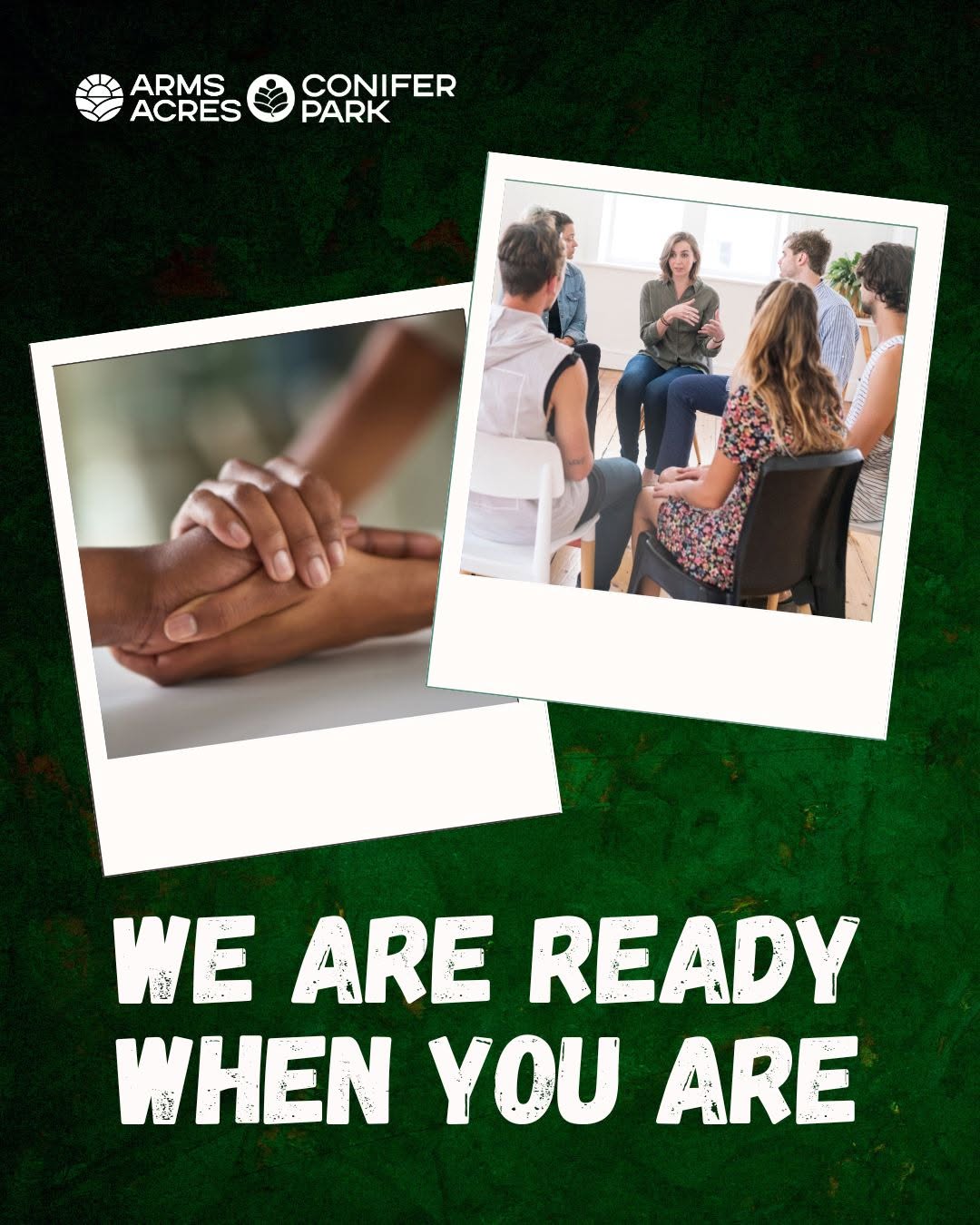
Instead of treating the person in recovery as the only one who needs help, family therapy pulls loved ones into the process so healing can happen on more than one front at the same time.
At its core, family therapy in an addiction treatment setting works to repair communication, rebuild trust, and help everyone involved understand substance use disorder as a medical condition rather than a personal failing.
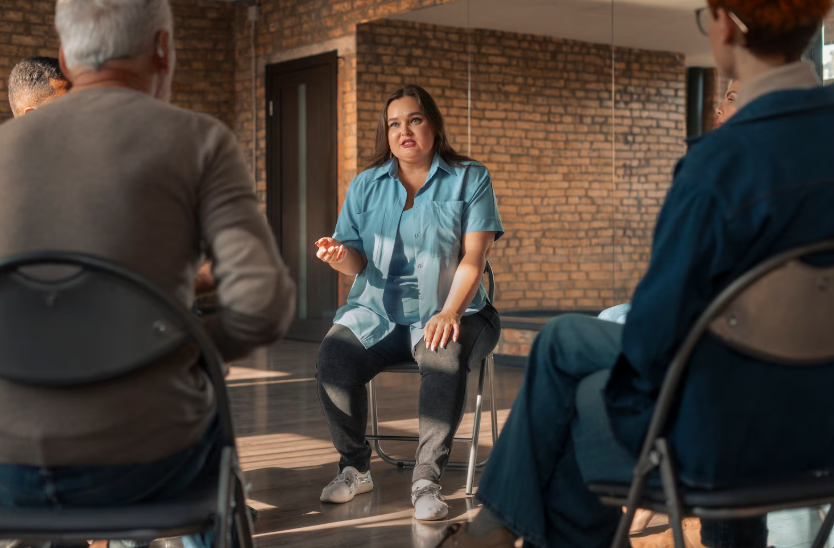
Sessions typically involve a licensed clinician working with the patient alongside a spouse, parent, sibling, or other close family member. The goal is not to assign blame. It is to give the family a shared language and a realistic picture of what recovery actually requires from everyone in the house, not just the person who was using.
Someone going through medically supervised detox or inpatient rehabilitation is dealing with the physical and psychological work of early recovery. Family therapy runs alongside that work rather than waiting until treatment ends, because the patterns inside a family often played a role in how substance use developed and can play just as large a role in whether recovery holds.
A parent who understands what a co-occurring condition looks like, or a spouse who has learned how to respond without enabling old patterns, changes the environment a person returns to after treatment.
Family therapy gets really important when someone is going through dual diagnosis treatment for both a substance use disorder and a mental health condition. Two overlapping conditions at once, you know, that is a lot for anyone to process, including the people who love them. Families often need a bit of guidance just to understand what they are even looking at.
That is where the importance of family support becomes clear. A clinician trained in dual diagnosis care can walk a family through what psychiatric treatment alongside addiction recovery actually involves, including why both medication and therapy might be part of the plan and why that combination makes sense.
Family sessions usually start with the clinician learning the history of the relationship and the specific concerns each person is carrying. From there, the work often shifts toward practical skills:
None of this happens in a single session. It builds over the course of treatment, the same way individual therapy does.
If you are the one calling on behalf of a loved one, our admissions team can talk through how family involvement fits into their specific treatment plan once they are admitted. The structure of family therapy is tailored to each patient and their household, so the right next step is usually a conversation with our clinical team rather than a fixed schedule handed out in advance.
Aftercare planning is built into every discharge here, and family involvement does not stop the day someone leaves detox or inpatient care. Many families continue some form of therapy or check-ins as their loved one steps down into outpatient treatment, since the adjustment back to daily life is often where family support matters most.
Related Topics:















.png)

.png)
.png)









.jpg)




































.jpg)