Is Inpatient Rehab Effective for Long-Term Recovery in New York?
September 27, 2026
.png)

September 27, 2026
This question comes up a lot, honestly, usually from someone who already tried a shorter program, or a less structured one, and watched it fall apart within a few months.
Our team at Elev8 Centers hears it from patients directly and from family members trying to make the right call on someone else's behalf. If you're looking for a reliable New York rehab center, it helps to understand why inpatient care tends to hold up over time and what actually drives that.
When someone is looking into treatment options in New York City, one of the first questions that comes up is whether inpatient rehab leads to lasting results or if it just works for a few weeks and then fades. It's a fair question, and one we hear often from patients and family members who have already tried something else without success.
Our inpatient rehabilitation services mean living at the facility full-time while receiving structured, daily clinical care. Unlike outpatient programs, where a patient attends sessions and then returns to the same environment that may have contributed to their substance use in the first place, inpatient treatment removes a person from daily triggers entirely.
That separation matters more than people expect, honestly. It gives the body and mind space to stabilize before the harder work of behavioral change even begins, and it keeps a patient inside a routine built around recovery, not whatever their week normally looks like.
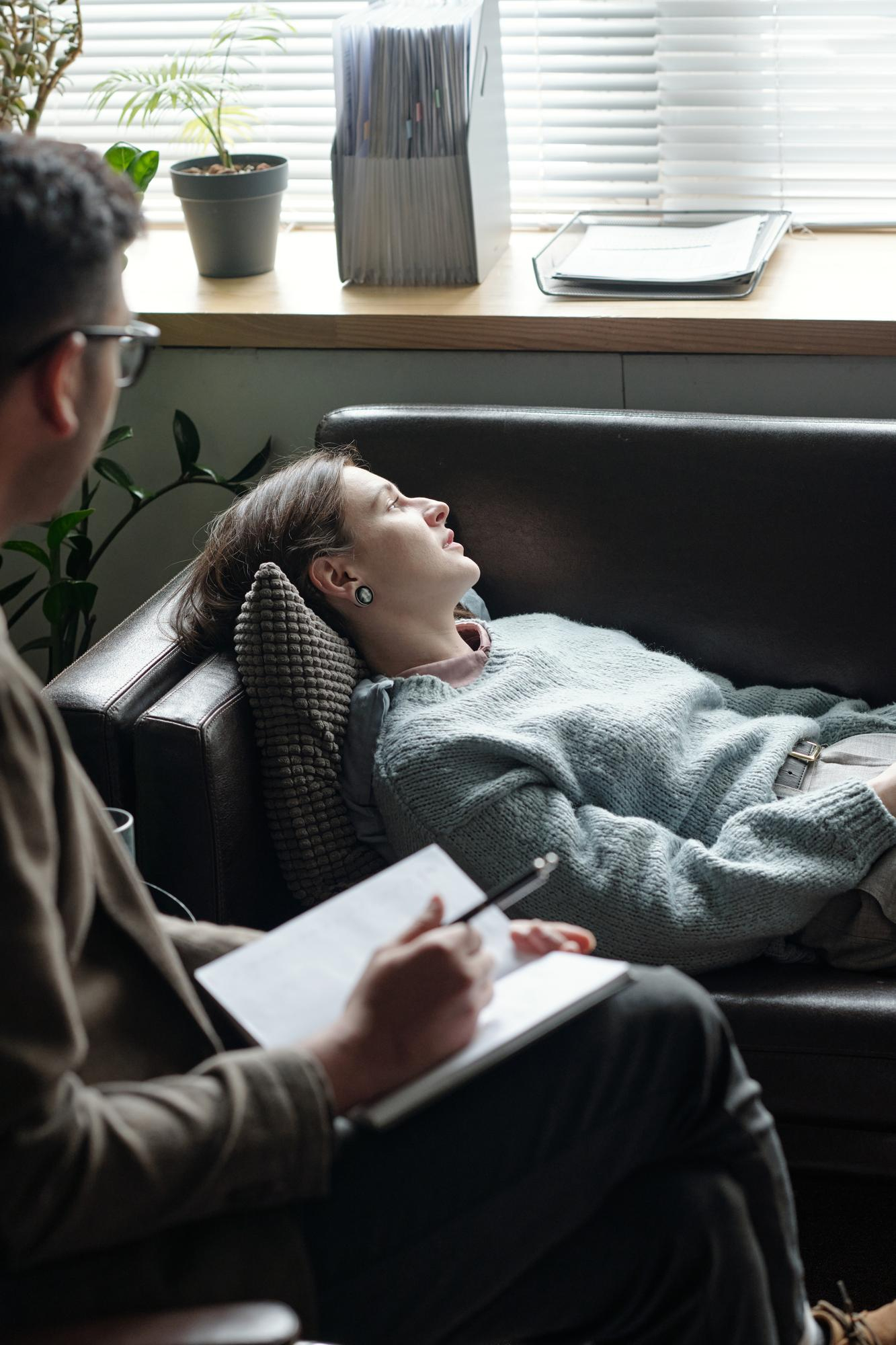
Effectiveness in addiction treatment isn't a single moment. It's a pattern of small, consistent changes that build on each other, day after day.
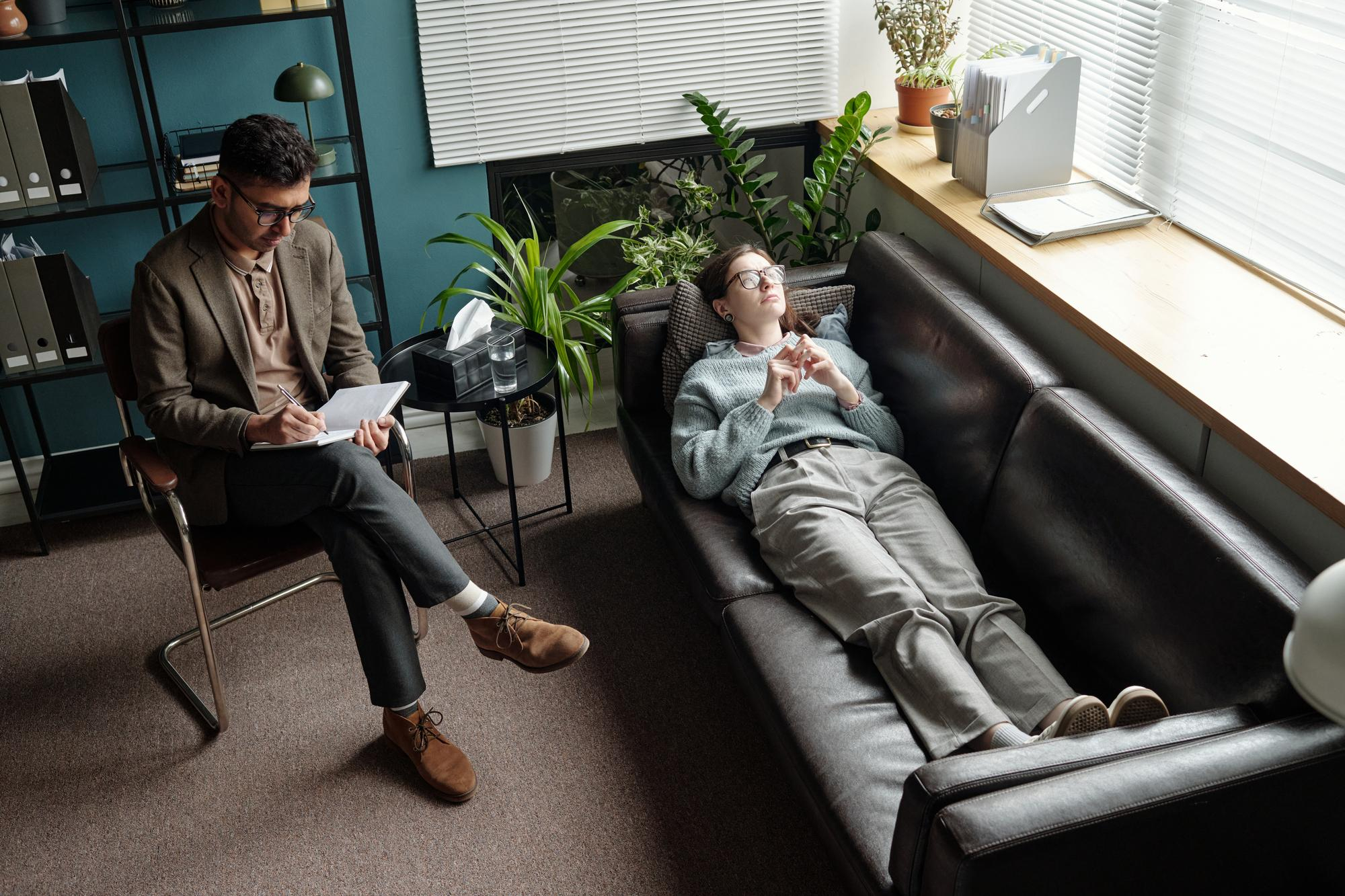
During inpatient rehab, our team works with each patient individually rather than applying one fixed schedule to everyone in the building, and that includes individual therapy, group sessions, psychiatric support, and recreational programming shaped around what that specific person actually needs.
How long someone will stay in inpatient rehab depends a bit on what's going on clinically, but the timeline is built around consistency, not convenience. We also pay close attention to what's driving the substance use in the first place.
Many patients who come through our doors are dealing with an underlying mental health condition alongside their addiction, whether that's depression, anxiety, or something rooted in past trauma, and treating the addiction alone while ignoring what sits underneath it is one of the most common reasons people relapse after a first attempt at treatment.
Our clinical team addresses both at the same time, and that dual focus is a real part of why inpatient care tends to hold up over the long run instead of unraveling a few months later.
Not sure if any of this actually applies to your situation? Give us a call at (646) 347-1891, and we can talk through it together, no pressure, just a real conversation about what's next.
Rehab doesn't end the moment someone walks out the door, and treating it that way is where a lot of good clinical work quietly gets undone. Before we discharge any patient, our team sits down with them to build an individualized aftercare plan that accounts for their home situation, support system, and what ongoing care will be realistic once they leave.
If you're wondering what to expect in inpatient rehab as discharge gets closer, this is really where that picture starts to come together. That plan might include a referral to outpatient services, continued psychiatric care, connection to family support resources, or scheduled follow-up check-ins after discharge.
None of this is an afterthought tacked on at the last minute. The period right after leaving inpatient treatment is the highest risk window for relapse, and a solid discharge plan is one of the biggest factors in whether the progress made during treatment actually holds once someone is back in their day-to-day life.
Part of what makes inpatient treatment effective at our facility is that it doesn't happen in isolation from everything else a patient might need.
We offer medical detox, inpatient rehabilitation, residential treatment, and medication assisted treatment all under one roof, with the same clinical team following a patient through each stage. Nobody has to start over with a new provider or explain their history from scratch partway through recovery.
This matters because addiction rarely fits neatly into a single stage of treatment. Someone might need a few days of medically supervised detox before they can safely begin inpatient rehab, and some patients benefit from stepping into residential treatment afterward if they need more time before returning to independent living.
Having every level of care available at one location in Harlem means the transitions between stages happen immediately, which removes one more obstacle standing between a patient and consistent, connected care they can count on.
What rehabilitation services does Elev8 Centers offer?
Elev8 Centers offers medical detox, inpatient rehabilitation, residential treatment, and medication-assisted treatment (MAT). Each service is available at the same NYC facility, so patients move through levels of care without transferring to a new provider.
How long does each level of care take?
Medical detox typically lasts 5 to 6 days. Inpatient rehabilitation runs up to 28 days. Residential treatment timelines are longer and vary based on each patient's clinical needs and progress. The treatment team determines the appropriate length for each individual.
What happens after a patient completes inpatient or residential treatment?
Before discharge, each patient receives an individualized aftercare plan. This may include a referral to outpatient services, continued psychiatric care, family support resources, and follow-up check-ins. The goal is to reduce the risk of relapse and give patients a defined path to continue recovery after leaving the facility.
What if someone relapses after completing treatment at Elev8?
Relapse is a recognized part of recovery for many people, and it doesn't mean treatment failed. If a patient relapses after discharge, Elev8's team can reassess the situation and discuss next steps, which may include returning to inpatient care, stepping into residential treatment, or adjusting the approach to address what was missed.
If you or someone you love is trying to figure out whether inpatient rehab is the right move, you don't have to sort through that decision on your own. Call us at (646) 347-1891, and our admissions team will walk through the situation with you, confidentially and without pressure, so you can figure out the next right step together.
Address: 151 W 136th St, New York, NY 10030
Business Hours: Sunday - Monday, Open 24 hours
Fill out our contact form, and a team member will respond promptly. We accept most insurance plans and are committed to making your treatment process smooth and supportive.
Related Topics:







.jpg)





















.jpg)














.jpg)