Sober Living Homes Near Glenville, NY: What to Expect
November 12, 2026


November 12, 2026

Sober living homes are shared residences where people in recovery live under house rules that include abstinence, and they are housing rather than clinical care. That distinction matters more than anything else on this page. A sober home does not replace treatment, and most residents attend outpatient sessions while they live there. We do not operate sober living residences, so what follows is a straight account of how they work alongside the addiction treatment program at our Glenville campus rather than a pitch for one.
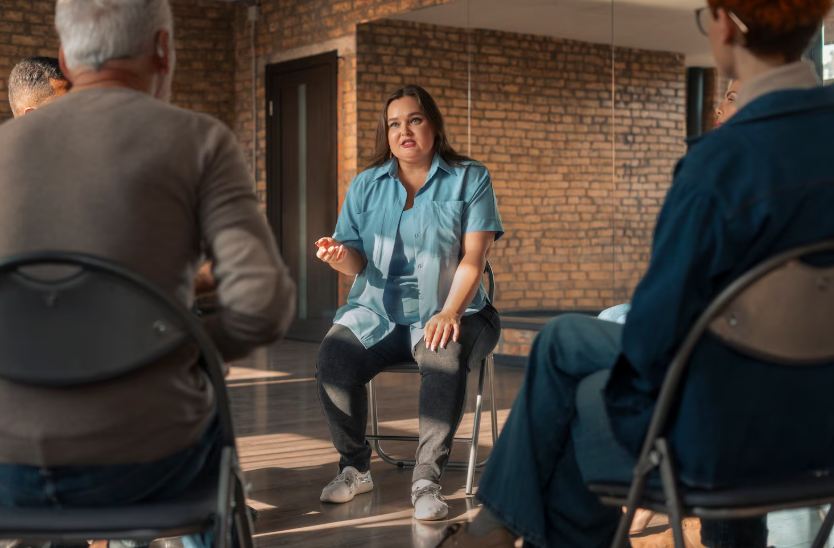
A sober living home provides a drug-free and alcohol free place to live with other people doing the same thing. Residents usually pay rent, keep jobs or attend school, do chores, and follow house rules around curfews, guests, and testing. There is rarely clinical staff on site, and there are rarely therapy sessions in the building.
That is the gap people most often misunderstand. Treatment is where the clinical work happens, through therapy, medical care, medication where it applies, and work on the conditions underneath the substance use. A sober home supplies structure, company, and a front door you can walk through without walking into the thing that used to trigger use. Both can matter. Only one of them is treatment, and expecting a house to do a clinic's job is how people end up disappointed in a setup that was never designed for it.
The clearest case is someone leaving residential treatment whose home situation would undermine everything they just worked on. If the people in the house are still using, if the living arrangement is unstable, or if the environment is tied closely to past use, moving straight back into it stacks the odds badly. A sober home buys time to build a routine somewhere neutral.
The second common case is someone who has stable housing on paper but no structure in it. Living alone after months of a scheduled daily program is a sharp drop, and for some people that quiet is harder than the cravings. Shared housing fills the hours and puts other people within earshot, which has value that is hard to measure and easy to notice when it is missing. Whether either case applies to you is a question worth raising during treatment rather than after, and it sits alongside the choice between inpatient and outpatient treatment options in the same conversation.
Sober living homes are not licensed the way treatment facilities are, and quality varies widely from one house to the next. Two homes on the same street can run very differently. Visiting in person and asking direct questions is worth more than reading a listing.

Questions worth asking before committing.
That medication question deserves particular attention. Being turned away from housing for taking a prescribed medication that is working is a real risk in this space, and finding out after you move in is worse than finding out on the phone.
Weighing housing and treatment at the same time? Call (800) 926-6433, and our admissions team will talk both through with you. The line is answered 24 hours a day and calls are confidential.
For most residents, the house is the where and outpatient treatment is the what. Therapy, medication management, and dual diagnosis care continue on a schedule while the house supplies the daily structure around them. The two work best when each one knows the other exists, which usually means telling your counselor where you are living and telling the house what your treatment schedule is.
Our outpatient locations in Troy, Syracuse, Schenectady, Plattsburgh, Glens Falls, and Rochester mean many people can find a sober home within reach of continuing care rather than choosing between the two. That coordination normally gets handled during the planning that happens before discharge, when your case manager is still involved and can line up both pieces at once instead of leaving you to assemble them alone in week one.
Living with five other people in recovery is not always calm. Someone will relapse, someone will leave, personalities will clash, and the house will feel like a compromise on some days. None of that means the arrangement is failing. It means a group of people under real pressure are living together, which has never been a frictionless thing to do.
The part worth protecting is your own plan. If the house becomes a place where rules are ignored or use is quietly tolerated, that is information, and it is worth raising with your counselor rather than absorbing. A living situation is meant to support the clinical work, and when it stops doing that, changing it is a reasonable move rather than a failure of nerve. Talk it through with the people who know your history before deciding either way.
If recovery housing is on your mind because the last plan did not hold, that is worth a conversation with a clinician. Call our Glenville, NY admissions team at (800) 926-6433, any hour of any day. There is no pressure and no obligation.
Related Topics: