How Peer Accountability Models Are Structured in Glenville, NY Recovery Programs
November 12, 2026


November 12, 2026

Peer accountability is the part of treatment where people in recovery hold each other to what they said they would do, and in a clinical setting, it runs on structure rather than goodwill. Groups have facilitators, formats, and limits, which is what separates it from a room full of people giving advice. Across the addiction treatment we provide in Glenville, peer work sits alongside individual therapy rather than standing in for it, and the two do different jobs.
Accountability in this setting is specific. A person states something they intend to do before the next session, the group hears it, and the group asks about it when the time comes. That is the whole mechanism, and its power comes from the fact that someone noticed and asked, not from pressure or consequences.
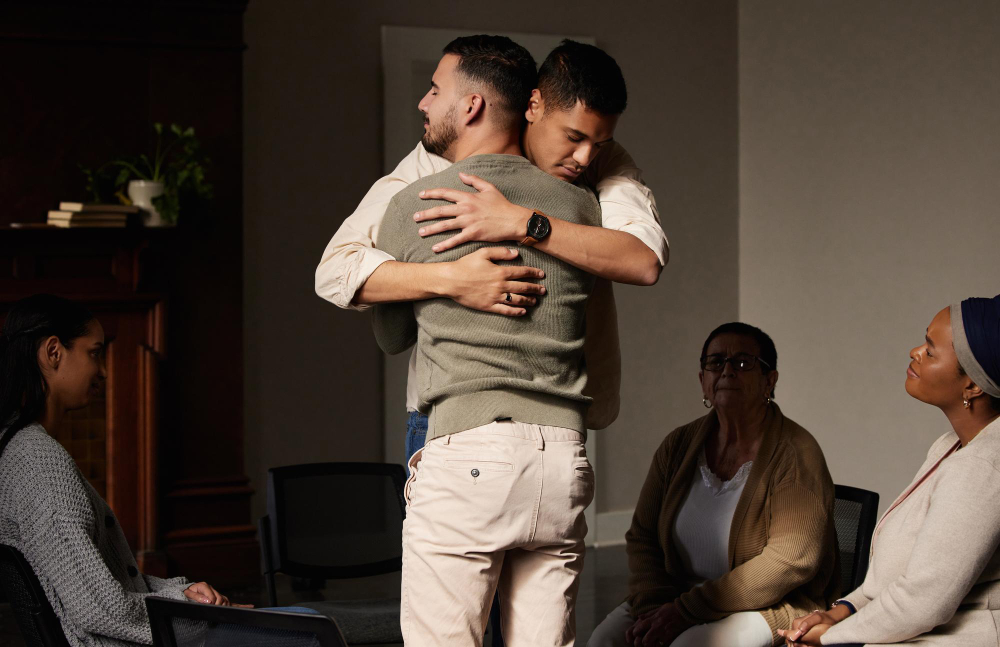
The distinction worth drawing is between accountability and confrontation. Older models leaned heavily on breaking people down in front of a group, and that approach has fallen out of favor for good reasons, including that it tends to push people out of treatment rather than into honesty. What our counselors run instead is closer to structured mutual attention. The group is direct, and it is not hostile, and a facilitator is present precisely to keep that line in place.
A counselor can describe what early recovery feels like. Someone three weeks ahead of you has felt it, and that difference carries weight. When a person says they are fine and plainly is not, the peer who recognizes the exact tone from their own first month is often the one who says so, and it lands differently coming from them.
That recognition cuts through a lot of the performance that happens in treatment. People are practiced at managing how they come across, especially to staff, and other people in recovery are hard to manage in that way. There is also the reverse direction. Watching someone further along handle a bad week without using is a kind of evidence nothing else supplies, and that is a reason group work is included in most plans rather than treated as optional. It is also part of why counselors look closely at how individual and group therapy differ when building a schedule.
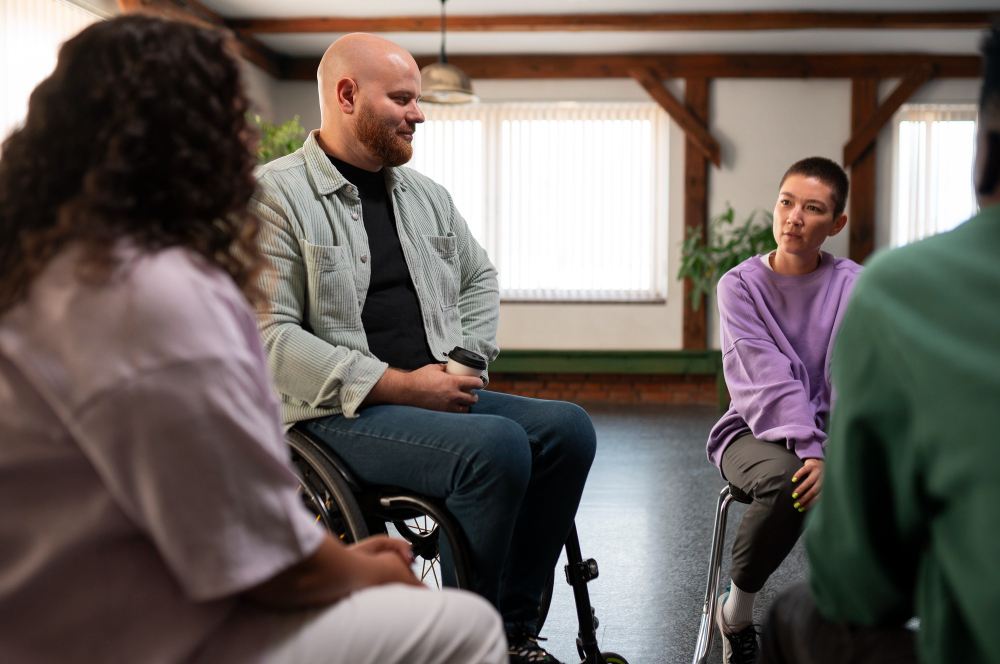
Unstructured peer support drifts. It turns into complaint sessions, or one person dominates, or the group quietly agrees not to challenge anyone. Clinical groups use a set of structures to prevent that, and the structures are what make the difference between a useful hour and a wasted one.

The pieces that do the work.
Gender specific grouping is part of this at our campus as well. Our inpatient programs run separate men's and women's units, and that separation changes what people are willing to raise in a group, particularly around trauma and relationships.
Has group work put you off treatment in the past? Call (800) 926-6433, and our admissions team will talk through how our groups are actually run. The line is answered 24 hours a day and calls are confidential.
Many people encounter peer accountability first through 12 Step meetings, and our programs include 12 Step facilitation as one of the confirmed approaches our clinical team uses. The two formats work differently, and the difference is worth knowing. A 12 Step meeting is peer-led and voluntary, continues indefinitely, and is available in most towns. A clinical group is led by a licensed counselor, is part of a treatment plan, and ends when the program does.
Neither replaces the other. The clinical group does structured therapeutic work on a schedule. The 12 Step meeting supplies something available on a Tuesday night in year three, long after discharge, and sponsorship adds a one-to-one accountability relationship that treatment cannot provide once it ends. Most aftercare plans here include some form of ongoing peer contact for exactly that reason, and the various therapies used across our programs are selected to work with it rather than around it.
Being clear about limits matters as much as describing benefits. A group cannot manage withdrawal, prescribe or adjust medication, treat a psychiatric condition, or decide that someone needs a higher level of care. Those are clinical jobs, handled by psychiatrists, psychiatric nurse practitioners, physicians, nurses, and licensed counselors.
There is also a risk worth naming. A group where members quietly cover for each other has turned into the opposite of accountability, and it can happen without anyone intending it. A facilitator exists partly to notice that drift. The same applies to peer relationships that become dependent rather than supportive, where one person's stability rests entirely on another person's. Watching for that is part of the clinical job, not an afterthought, and it is one more reason peer work belongs inside a treatment structure rather than running loose beside it.
If you want to know how a program’s groups are actually run, ask directly. Call our Glenville, NY admissions team at (800) 926-6433, any hour of any day. There is no pressure and no obligation.
Related Topics: